
Plants
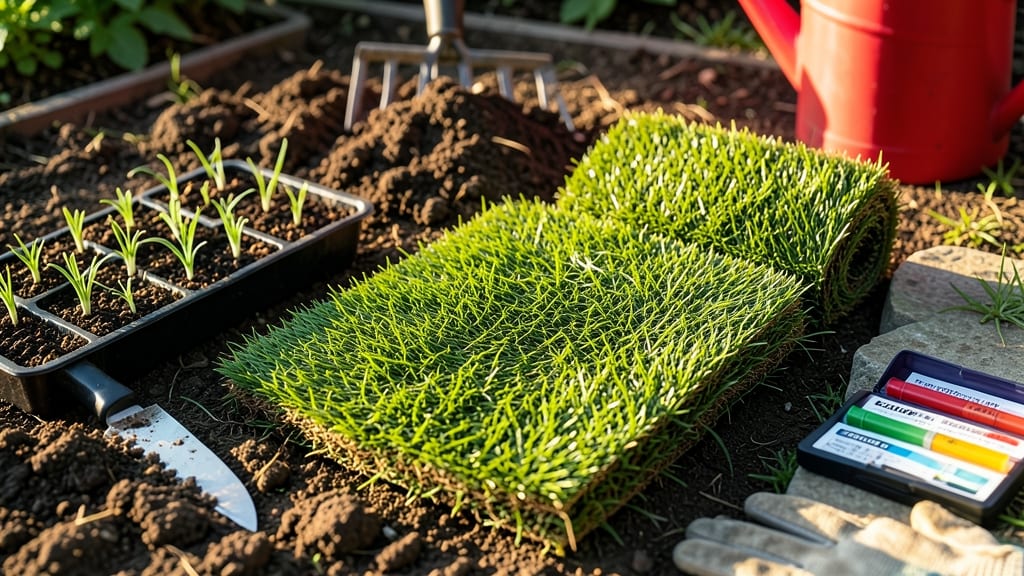
Planting Bermuda grass in Florida at the right time can mean the difference between a thriving lawn and one that fights to survive.
Florida’s scorching summers and unpredictable weather make timing critical for Bermuda grass success—plant too early, and you risk frost damage; too late, and your lawn may struggle to establish before winter.
If you’ve ever stared at a patchy lawn wondering why it won’t green up, the answer likely starts with the calendar. Bermuda grass loves heat but needs the right conditions to take root, and Florida’s climate offers two prime windows: spring and early fall.
Below, I break down the best months to plant in your region, how to prep your soil, and why a few weeks can make or break your turf’s future.
Optimal Florida Bermuda grass planting windows: spring vs fall breakdown
Choosing the right season to plant Bermuda grass in Florida isn’t just about avoiding frost—it’s about leveraging the state’s microclimates and soil temperatures. While Florida’s frost-free zones (9a-11) offer flexibility, the spring and fall windows present distinct advantages.
Each season impacts germination rates, heat tolerance, and even watering needs differently.
For spring planting (March–May), you’ll capitalize on Florida’s rising temperatures and increased rainfall, which create ideal conditions for seed germination and sod establishment.
However, timing is critical—planting too early (before soil temps hit 65°F) can delay growth, while waiting too late risks summer heat stress before roots take hold.
In contrast, fall planting (September–October) allows Bermuda grass to establish roots before winter’s dormancy period, giving it a head start in spring regrowth. This window also avoids the intense summer heat that can scorch young seedlings.
But regional differences in Florida’s climate mean what works in South Florida (warmer winters) may not suit North Florida (cooler winters).
Here’s how the two seasons stack up across Florida’s three key regions, including soil temperature thresholds, heat tolerance windows, and watering adjustments:
In North Florida, where frost dates can creep into December, spring planting (April–May) is non-negotiable to avoid winter dormancy. The soil temperature here often lingers below 65°F until late March, so seed dormancy can delay germination.
For fall planting, September is your last chance before cooler nights slow growth.
Meanwhile, Central Florida’s milder winters (Zones 9a–9b) allow for a wider planting window. March–April offers consistent warmth and adequate rainfall, while fall planting in September–early October lets Bermuda grass root deeply before winter’s chill. Skip October, though, and you risk stunted growth as temperatures drop.
South Florida’s tropical climate (Zones 10a–11) makes both seasons viable, but summer’s oppressive heat and humidity can stress young seedlings. Planting in April–May lets you beat the worst of summer, while fall’s cooler transition (September–October) reduces water stress and pest pressure.
Pro
5 Critical factors to time your Bermuda grass planting like a pro
Timing your Bermuda grass planting in Florida isn’t just about picking a month—it’s about aligning your schedule with soil temperatures, rainfall patterns, and frost risk zones that can make or break your lawn’s success.
Unlike cooler climates, Florida’s warm-season grass thrives when the ground heats up, but even here, a few degrees or a sudden cold snap can derail your efforts. Let’s break down the non-negotiable conditions that separate a thriving lawn from a failed experiment.
First, understand that soil temperature is the single most critical factor. Bermuda grass seeds won’t germinate until the soil reaches a consistent 65°F or warmer. In Florida, this typically happens in late April to early May in most regions, but North Florida may need to wait until mid-May.
Using a soil thermometer ($10 at garden centers) is a game-changer—planting too early when the ground is still cool leads to slow germination and weak roots. Pro tip: Aim for 70°F+ for faster sprouting.
Next, pay attention to rainfall patterns. Bermuda grass needs at least 1 inch of water per week during establishment, whether from rain or irrigation. Planting in dry months like March or April without a backup watering plan is a recipe for failure.
Check Florida’s historical rainfall data (via the NOAA Climate Tool) for your county—some areas, like South Florida, get consistent rain year-round, while North Florida may need supplemental watering in spring. Pro move: Install a rain gauge to track moisture levels accurately.
Don’t overlook frost risk zones, even in Florida. While the state is frost-free in most areas, North Florida (USDA Zones 8a–8b) can experience hard freezes between December 1 and February 28. These cold snaps can kill new Bermuda grass plants if they’re not established.
Use Florida’s hard freeze dates as your backward-planning tool: Schedule planting 8–10 weeks before Dec 1 to ensure your grass has time to root deeply before winter. For Central and South Florida, frost is rare, but timing still matters—avoid planting in late fall (November) when temperatures dip unexpectedly.
Choosing between seeds and sod also impacts your timing. Sod establishes 2–3 weeks faster than seeds (which take 10–14 days to germinate) but requires immediate watering and care. If you opt for seeds, plant them when the soil is warm and moist, typically in late spring (May–June).
Sod, on the other hand, can be laid year-round in South Florida but should be installed in spring or early summer in North Florida to avoid frost damage. My personal preference? Sod for instant gratification and seeds for budget-conscious projects.
Finally, leverage Florida’s microclimates to fine-tune your schedule. South Florida (Miami, Fort Lauderdale) can plant Bermuda grass year-round due to warm temperatures, but even here, summer heatwaves (July–August) can stress new plants. Central Florida (Orlando, Tampa) should aim for April–May or September–October, while North Florida (Jacksonville, Gainesville) must wait until mid-May to avoid frost.
Use the Florida Climate Center’s frost maps as your guide—these tools show historical frost patterns and help you avoid risky planting windows.
Mastering these 5 critical factors turns guesswork into a foolproof plan. Start with soil temperature, then align with rainfall and frost dates, and choose your method (seed vs sod) based on your timeline. With this checklist, your Bermuda grass