
Plants
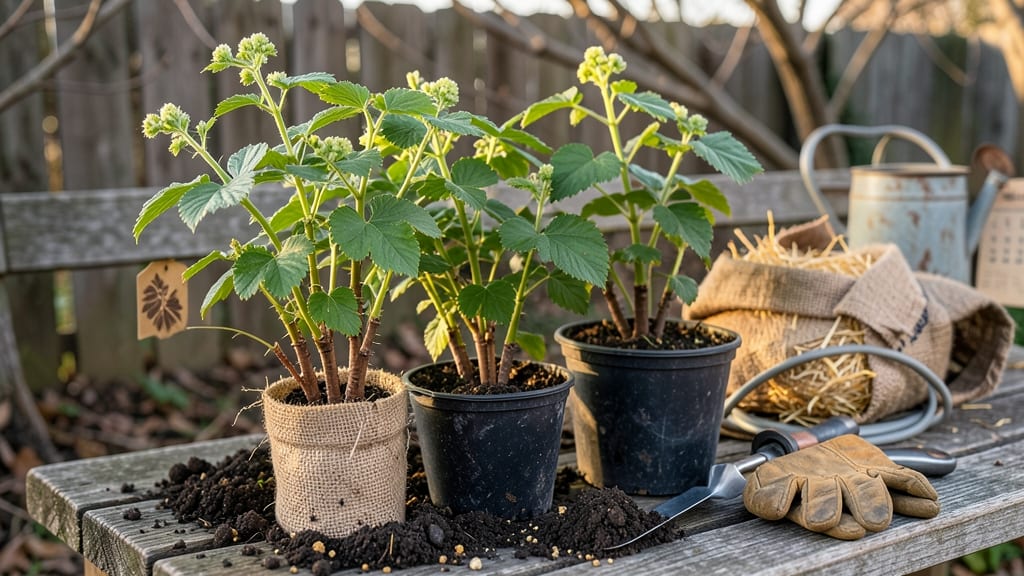
Planting blackberries in Central Texas at the right time means the difference between a thriving 🫐 bush and one that wilts under the heat or freezes before it takes root.
Central Texas gardeners know timing is everything—plant blackberries too early, and they’ll struggle with heat stress; too late, and winter frosts can damage young plants. The right window ensures robust growth, abundant fruit, and years of harvests.
For USDA Zones 8a-8b, the best months are late winter through early spring, when soil temperatures are cool enough to prevent shock but warm enough to encourage root growth. This means February and March are your sweet spots, with March 15 marking the last average frost date.
In this guide, I’ll walk you through the exact planting schedule, soil prep tips for Texas clay, and how to protect your young bushes from both late frosts and scorching summer sun. Ready to grow your own sweet, juicy blackberries? Let’s get started.
Best planting months for blackberries in Central Texas climate zones
Central Texas gardeners face a unique challenge with blackberry planting—the scorching summer heat and unpredictable winter frosts demand precise timing. In USDA Zones 8a-9a, the ideal window for planting blackberries is late winter to early spring, specifically February through April.
This timing allows young plants to establish roots before summer's intensity peaks, while avoiding late frosts that can damage tender new growth.
For most Central Texas regions, the last average frost date falls around March 15, making March and early April the sweet spot for planting. However, if you're in Zone 9a (warmer areas like San Antonio), you can extend planting into May with extra shade protection during establishment.
The key is ensuring soil temperatures stay above 50°F (10°C) for consistent root growth.
Here's a quick comparison of your planting options in Central Texas:
| Planting Window | Soil Temp Requirement | Rainfall Alignment | Frost Risk | Best Varieties |
|---|---|---|---|---|
| Late February - Early March | 45-50°F (7-10°C) | Pre-spring rains | Low (post-frost) | Arapaho, Ouachita |
| Mid-March - April | 50-55°F (10-13°C) | Spring showers | Very low | Natchez, Chester |
| May (Zone 9a only) | 60°F+ (15°C+) | Late rains | None | Thornless types |
Fall planting is generally not recommended for Central Texas blackberries because young plants won't have enough time to establish roots before winter dormancy. However, if you must plant in fall, aim for late September to early October and use row covers to protect from early frosts.
The challenge is balancing soil warmth (needed for root growth) with air temperatures that can drop quickly in Central Texas.
Aligning your planting with Central Texas's rainfall patterns is crucial. The spring rains (March-May) provide natural moisture for root establishment, while summer's intense heat requires supplemental irrigation. If planting in February, consider using drip irrigation to maintain consistent moisture until rains return.
For May plantings, prioritize afternoon shade to prevent transplant shock from heat stress.
Pro tip: Use bare-root canes for spring planting—they establish faster than potted plants. Soak roots in water mixed with rooting hormone for 1-2 hours before planting to jumpstart growth.
In Central Texas's clay-heavy soils, amend planting holes with compost and sand to improve drainage and prevent root rot during our hot, humid summers.
For container growing, the timing shifts slightly—plant potted blackberries in late March to early April when soil temperatures consistently stay above 55°F (13°C). Containers heat up faster, so monitor soil temperature with a soil thermometer and use lightweight potting mix to prevent overheating.
Move containers to a shady spot during 100°F+ (38°C+) days to protect young plants.
Remember that Central Texas's microclimates vary dramatically. Hill country areas (like Fredericksburg) may experience earlier frosts than urban areas (like Austin). Check your local Cooperative Extension Service frost maps and plant accordingly.
With the right timing, your blackberries will thrive through Central Texas's 100°F summers and reward you with abundant harvests from June through September.
🫐🌱💧
How to prepare your Central Texas soil for blackberry planting success
Central Texas soils—often heavy with clay—can be a double-edged sword for blackberries. While they retain moisture well, poor drainage and compacted soil can stunt root growth and reduce fruit production.
The key to success lies in amending your soil 4-6 weeks before planting to create an ideal environment for blackberry roots to thrive. Start by testing your soil’s pH level, which should fall between 6.0 and 6.5 for optimal blackberry growth.
If your soil is too alkaline (common in Texas), you’ll need to lower the pH using elemental sulfur or peat moss.
Blackberries thrive in well-draining, loamy soil rich in organic matter. Central Texas’ clay-heavy soils often lack the necessary aeration and nutrients, so incorporate 3-4 inches of compost or well-rotted manure into the top 12 inches of soil.
This improves soil structure, enhances water retention, and provides essential nutrients like nitrogen, phosphorus, and potassium. For container planting, use a 50/50 mix of potting soil and compost to mimic ideal growing conditions.
Drainage is critical, especially in Central Texas where heavy rains can lead to waterlogged soil. If your garden area has poor drainage, consider raising your blackberry bed by 6-12 inches or installing French drains around the perimeter.
For in-ground planting, mix in coarse sand or perlite to break up clay and improve aeration. This step is non-negotiable—blackberry roots rot quickly in soggy conditions, and poor drainage can invite fungal diseases like root rot.
Step-by-Step Soil Prep for Blackberries
- 🌱 Test Soil pH: Use a soil test kit to check pH. Aim for 6.0-6.5; amend with sulfur if needed.
- 🪴 Add Organic Matter: Mix in 3-4 inches of compost or aged manure into the top 12 inches of soil.
- 💧 Improve Drainage: For clay soil, blend in coarse sand or perlite (1 part sand to 3 parts soil).
- ✂️ Loosen Soil: Use a broadfork or tiller to break up compacted layers 12-18 inches deep.
- 🌿 Mulch Heavily: Apply 3-4 inches of mulch (straw or wood chips) to retain moisture and regulate soil temperature.
- 📋 Install Trellis: Set up a strong trellis system before planting to support vigorous blackberry canes.
Once your soil is amended, focus on mulching to retain moisture and regulate soil temperature. Blackberries in Central Texas face intense heat and drought, so a 3-4 inch layer of straw or wood chips around the base of the plant helps lock in moisture and suppresses weeds.
Avoid using fresh wood chips, as they can rob nitrogen from the soil. Instead, opt for straw or shredded leaves for a nutrient-neutral option. Mulch also protects young roots from temperature fluctuations, which can stress blackberry plants during Central Texas’ unpredictable springs and falls.
Finally, consider planting blackberries in raised beds if your soil is particularly heavy or poorly draining. Raised beds warm up faster in spring, giving your plants a head start, and they allow for better control over soil composition.
Fill the bed with a custom mix of 60% topsoil, 30% compost, and 10% perlite to ensure optimal drainage and fertility. This method is especially beneficial in USDA Zones 8a-8b, where soil conditions can vary dramatically even within a single neighborhood.
With the right soil prep, your blackberry plants will establish strong root systems, leading to healthier canes, larger yields, and fewer pests. Remember, the effort you put into soil preparation now will pay off for years of bountiful harvests.
Once planted, keep an eye on soil moisture—blackberries need consistent watering, especially during Central Texas’ scorching summers. A well-prepared soil foundation sets the stage for success! 🫐