
Plants
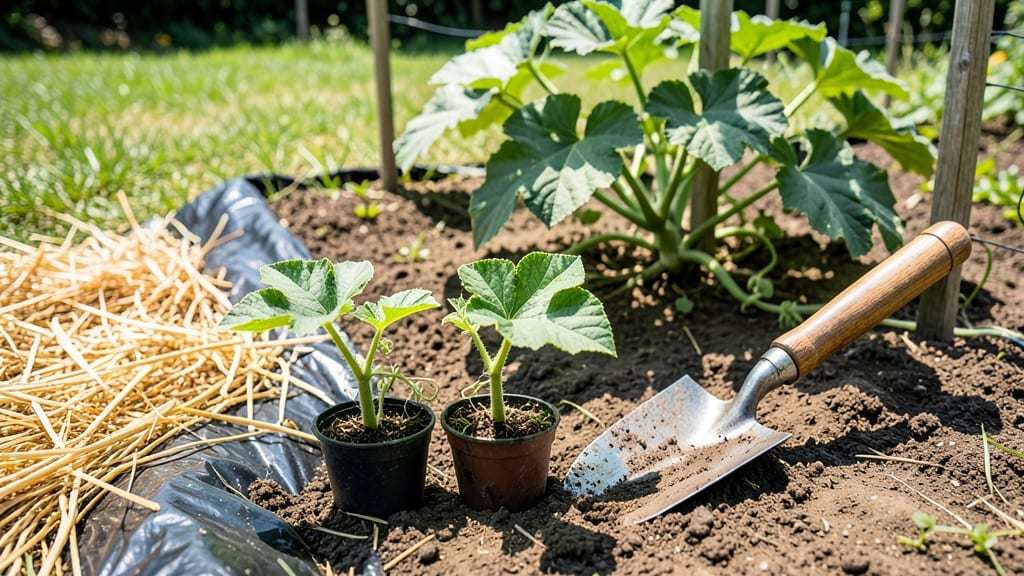
Planting pumpkins in Central Texas means timing your seeds just right — after the last frost but before the summer heat turns your vines into wilting messes.
Central Texas gardeners know timing is everything — plant pumpkins too early, and frost will kill them; too late, and the brutal summer heat can stunt growth. But with the right frost-free window and heat-tolerant varieties, you can grow jackpot-sized 🎃 pumpkins year after year.
Your best shot is mid-March to early May for spring plantings, or late July to early August for a summer harvest. These windows let you avoid both frost and the worst of the 100°F+ days that can turn your pumpkin patches into sad, shriveled memories.
Below, I’ll walk you through the exact frost dates for your area, the heat-tolerant varieties that thrive here, and how to prep your soil so your pumpkins take off like a rocket instead of a fizzle.
Central Texas pumpkin planting calendar: frost dates & ideal timing
Central Texas offers a 215-day frost-free window—the perfect stretch to grow pumpkins from seed to harvest. But timing is critical: plant too early, and late spring frosts can kill tender seedlings; too late, and 100°F+ summers stress plants before they mature.
My exact planting strategy balances these extremes, using local frost data and soil temperature thresholds.
First, note the average last frost date for Central Texas cities: March 15 in Austin, March 20 in Waco, and March 10 in San Antonio. These dates mark the safest window to start seeds outdoors or transplant seedlings.
However, soil temperature is the real game-changer—pumpkin seeds need soil at least 70°F to germinate reliably.
For direct sowing, wait until mid-April in Austin and early May in Waco/San Antonio, when soil consistently hits 70°F+. If you’re transplanting, start seeds indoors 3-4 weeks before your last frost date.
My go-to varieties for Central Texas include ‘Cinderella’ (75 days) and ‘Jack Be Little’ (80 days), both heat-tolerant and fast-maturing.
| Stage | Austin (Zone 8a) | Waco (Zone 8a) | San Antonio (Zone 8a) |
|---|---|---|---|
| Last Spring Frost | March 15 | March 20 | March 10 |
| First Fall Frost | November 15 | November 20 | November 10 |
| Ideal Planting Window | Mid-April to early May | Early May | Late April |
| Soil Temp for Germination | 70°F+ | 70°F+ | 70°F+ |
| Harvest Window | Late Sept–Nov | Late Sept–Nov | Late Sept–Nov |
For a second harvest, plant heat-tolerant varieties like ‘Small Sugar’ in late July to early August. This summer planting strategy works because Central Texas’s first fall frost typically hits November 15, giving pumpkins 60–70 days to mature.
Use a soil thermometer to confirm temperatures before planting—seeds won’t sprout below 65°F.
Pro tip: Adjust for microclimates. North-facing gardens in Austin may need 1–2 weeks later than south-facing beds. In Waco’s hotter climate, shade cloth during seedling stages can prevent bolting (premature flowering). Always harden off seedlings for 7–10 days before transplanting to avoid shock.
Watering is another critical timing factor. Deep water 1–2 inches weekly during flowering and fruiting, but reduce frequency as harvest nears to toughen rinds. My morning watering rule prevents fungal diseases like powdery mildew, which thrives in Central Texas’s humid afternoons.
Mulch with straw or black plastic to retain moisture and regulate soil temp.
Finally, track your local frost dates annually—they shift slightly each year. The National Weather Service or Texas A&M AgriLife Extension provide updated frost maps. For example, in 2023, San Antonio’s first frost came 10 days early, catching many gardeners off guard.
Plan accordingly by harvesting before October 31 to avoid losses.
With these frost-free windows and heat-tolerant varieties, Central Texas gardeners can reliably grow pumpkins year after year—no frost worries, no heat stress! Start planning now, and you’ll be carving jack-o’-lanterns by Halloween. 🎃
Best heat-tolerant pumpkin varieties for Central Texas summers
Central Texas summers can push temperatures past 100°F, making traditional pumpkin varieties wilt before harvest. But with the right heat-tolerant varieties, you can still grow vibrant, productive pumpkins that thrive in the Texas heat.
The key is selecting fast-maturing, drought-resistant types that avoid bolting or stunted growth when temperatures soar.
I’ve grown pumpkins in San Antonio and Austin for years, and these top 5 varieties consistently deliver—even when the mercury climbs. Each was chosen for its short maturity timeline, thick vines, and ability to handle intense sunlight without wilting. Let’s dive into the best options for your garden.
'Cinderella' is my top pick for Central Texas—it matures in just 75-80 days, making it perfect for escaping the late-summer heat. This miniature pumpkin produces 4-6 lb fruits with smooth, orange skin and sweet flesh, ideal for carving or roasting. Its compact vines (spreading 3-4 feet) also save space in small gardens.
For those who love pie pumpkins, 'Jack Be Little' is a game-changer. These 1-2 lb pumpkins mature in 85-90 days and thrive in 100°F+ heat without wilting. Their thick vines help retain moisture, and they’re resistant to powdery mildew, a common issue in Texas humidity.
Plus, their cute, jack-o'-lantern-shaped fruits are perfect for fall decor.
'Small Sugar' is another fast-maturing variety (ready in 80-85 days) that excels in heat. These 3-5 lb pumpkins have smooth, deep-orange skin and are great for baking or carving. What sets them apart is their drought tolerance—they’ll keep producing even when other varieties struggle during dry spells in August and September.
If you prefer longer storage life, 'Autumn Gold' is a fantastic choice. Mature in 90-95 days, these 5-8 lb pumpkins store well for 2-3 months after harvest.
Their golden-orange skin and sweet flesh make them ideal for pie filling or roasting. While slightly less heat-tolerant than the top three