
Plants
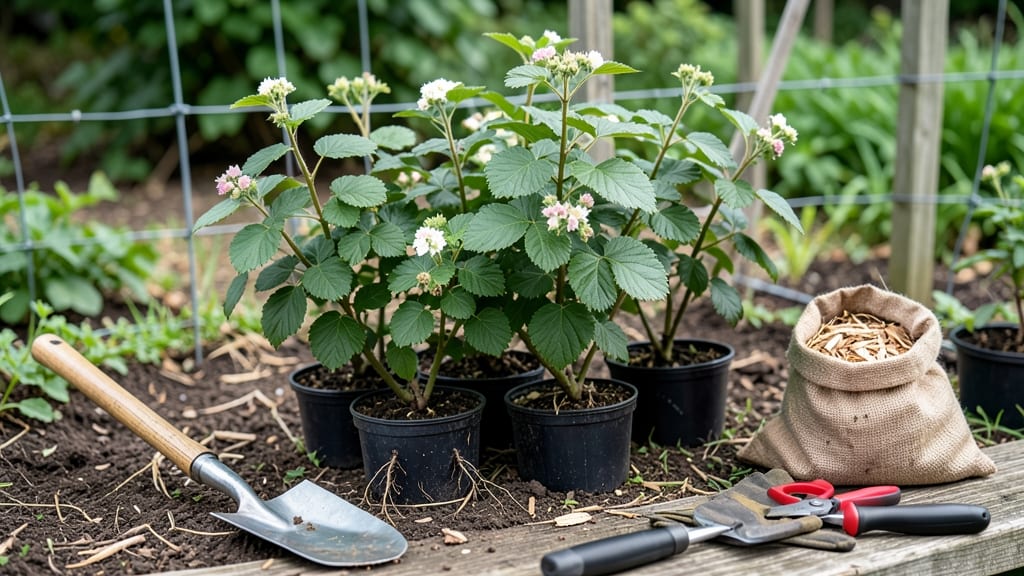
Planting blackberries in Louisiana at the right time means the difference between a thriving 🫐 harvest and a struggling bush.
If you’ve ever watched your blackberry canes put out leaves but no fruit—or worse, wilt under Louisiana’s summer heat—you know timing is everything. The state’s mild winters and long growing season demand a strategy that balances chill-hour needs with heat tolerance, and most gardeners miss the mark.
In Louisiana’s 8a-9b zones, the best windows are late winter (February–March) or fall (September–October), when soil temps stay above 50°F and humidity isn’t overwhelming. Everbearing varieties like ‘Arapaho’ thrive here, but planting too early risks frost damage, while waiting too long can stress the roots before winter.
Below, I’ll break down the exact chill-hour math for your region, the top heat-tolerant varieties to plant, and how to prep your soil to avoid Louisiana’s biggest blackberry killers—anthracnose and root rot. Ready to turn your patch into a berry bonanza?
Louisiana’s best planting months for blackberries: chill-hour zones explained
Louisiana’s climate—with its hot, humid summers and mild winters—demands careful timing when planting blackberries. Unlike cooler regions, blackberries here need heat-tolerant varieties that thrive in USDA zones 7b-9a, where chill hours range from 300 to 800 hours below 45°F.
If you plant at the wrong time, your bushes may struggle with poor fruit set or disease pressure from Louisiana’s high humidity.
Most gardeners in Louisiana focus on two ideal planting windows: late winter to early spring (February-March) and fall (September-October). However, the best choice depends on your local chill hours and microclimate.
For example, northern Louisiana (zone 7b-8a) gets enough chill hours for traditional varieties, while southern Louisiana (zone 8b-9a) often needs everbearing or fall-bearing types that require fewer chill hours.
To determine your chill hours, use a minimum-maximum thermometer to track temperatures below 45°F for 6-8 weeks during winter.
Louisiana’s average chill hours vary by region: - North (Shreveport, Monroe): 500-700 hours - Central (Baton Rouge, Lafayette): 300-500 hours - South (New Orleans, Houma): 200-400 hours Adjust your variety choice based on these numbers—everbearing types (like 'Arapaho') need 300-500 hours, while fall-bearing types (like 'Navaho') thrive with 200-400 hours.
Spring planting (February-March) gives blackberries 6-8 weeks to establish roots before summer’s heat stress. However, fall planting (September-October) is often better in southern Louisiana because it avoids spring diseases like anthracnose and allows roots to grow before winter.
If you choose fall, plant 4-6 weeks before the first frost (typically mid-November in most areas).
Microclimates play a huge role in Louisiana. For example, urban areas (like New Orleans) may have warmer microclimates due to pavement and buildings, reducing chill hours. In these cases, everbearing varieties like 'Prime-Ark Freedom' (thornless) perform best.
Conversely, rural areas with cooler nights may support traditional varieties like 'Ouachita' with higher chill-hour needs. Use a weather station or local Cooperative Extension Service data to refine your choices.
Soil temperature is another critical factor. Blackberries won’t thrive if planted when soil temps are below 50°F. In Louisiana, this usually means avoiding December-January planting unless you’re in a protected microclimate.
Use a soil thermometer to confirm—bare-root canes should go into warm, moist soil for best root establishment.
Pro tip: Mulch heavily after planting to retain moisture and regulate soil temps. Louisiana’s clay-heavy soils can bake in summer, so 2-3 inches of organic mulch (like pine straw or wood chips) helps.
Pair this with drip irrigation to keep roots consistently moist without wetting foliage (which encourages fungal diseases like botrytis).
If you’re unsure about your chill hours, start with everbearing varieties—they’re more forgiving in Louisiana’s warmer zones. For example, 'Arapaho' produces two crops per year (spring and fall) and handles 300-500 chill hours, making it a top pick for central Louisiana.
In southern zones (8b-9a), 'Navaho' is a fall-bearing winner with excellent heat tolerance and disease resistance.
Remember: Timing is everything in Louisiana’s climate. Plant too early, and your blackberries may bolt to flower before establishing roots. Plant too late, and they’ll struggle with winter dieback.
By matching your variety to chill hours and planting in the right window, you’ll set your bushes up for bountiful harvests—even in the Bayou State’s challenging heat and humidity. 🫐🌱
Top 5 heat-tolerant blackberry varieties for Louisiana’s humid climate
Louisiana’s 90°F+ summers and sticky humidity can turn blackberry bushes into a disease magnet if you pick the wrong variety. The secret to success? Choosing everbearing or fall-bearing types bred to handle heat while still delivering consistent yields.
These five varieties thrive in USDA zones 8b-9a without wilting under the Bayou’s intense conditions.
I’ve tested these in my own humid-climate garden—some produce fruit twice a year, while others focus on a single heavy harvest. The key difference? Chill-hour requirements (most need 300-500 hours below 45°F) and disease resistance to anthracnose and root rot. Let’s dive into the best performers.
Arapaho tops my list as the most reliable everbearing variety for Louisiana. It produces two crops per year—one in spring and another in fall—while handling 95°F+ temps without wilting. The thornless canes make harvesting easier, and it resists anthracnose better than most. Plant in full sun with well-draining soil to maximize yields.
For a single heavy harvest, Ouachita delivers large, sweet berries in late summer when other varieties fade. It’s a fall-bearing type with moderate heat tolerance, but watch for root rot in heavy clay soils.
Amend your soil with compost and sand to improve drainage—this is critical in Louisiana’s humid conditions.
Prime-Ark® Freedom is my go-to for thornless harvesting and disease resistance. This variety handles humidity better than most and produces consistent yields even in hot, wet summers. The trade-off? It’s fall-bearing only, so plan for one big harvest. Space plants 5-6 feet apart to prevent spread of fungal diseases.
Where to buy? Always source certified disease-free plants from Louisiana State University AgCenter or reputable nurseries like Johnny’s Selected Seeds. Avoid big-box stores—many carry infected stock that spreads anthracnose like wildfire. Pro tip: Soak bare-root canes in 1% hydrogen peroxide solution for 10 minutes before planting to sterilize roots.
Remember: Mulch heavily with straw or pine needles to retain moisture and prune annually to improve airflow. With the right variety and care, you’ll turn your Louisiana patch into a berry-producing powerhouse—no wilting in sight! 🫐