
Plants
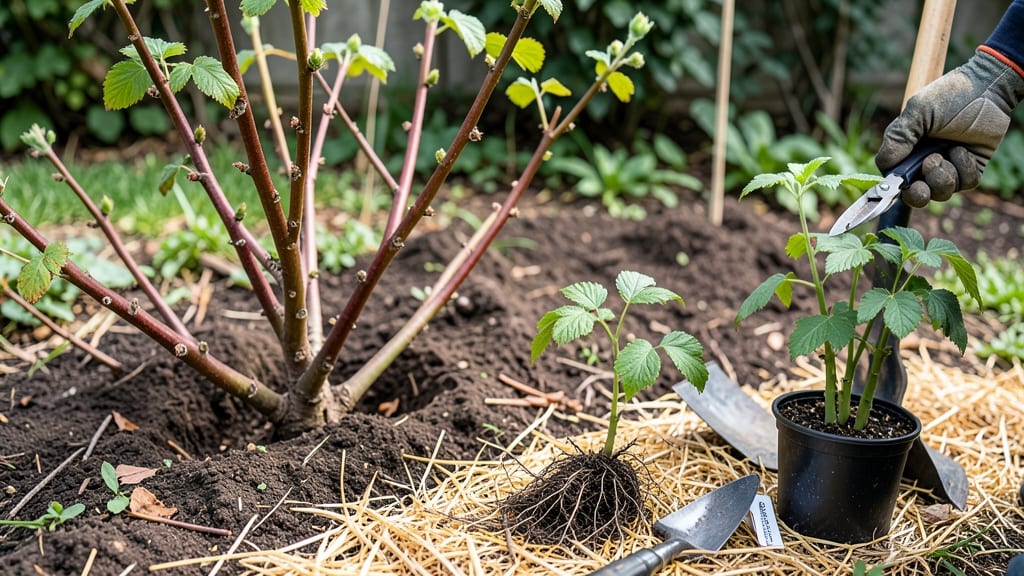
Planting blackberries in Virginia at the right time means the difference between a thriving 🫐 bush and one that struggles to fruit.
Virginia’s diverse climate zones can turn blackberry planting into a high-stakes guessing game—plant too early, and frost will kill your tender seedlings; too late, and your berries may never ripen fully. Timing isn’t just about dates—it’s about chill hours, microclimates, and the right variety for your zone.
If you’re in USDA zones 6a-8a, your best windows are late winter to early spring (February–April) or fall (September–October). But here’s the catch: coastal Virginia’s milder winters mean you can plant earlier than the mountains, where late frosts linger well into April.
Below, I’ll break down the exact planting deadlines by zone, how to adjust for your microclimate, and which varieties handle Virginia’s unpredictable springs best—so you can avoid the most common mistakes and get berries by June.
Virginia blackberry planting deadlines by chill-hour zones (5-9 vs 10+)
Virginia’s USDA zones 5a-8b create a unique challenge for blackberry growers. Unlike many plants, blackberries rely on chill hours—the cumulative hours below 45°F—to trigger fruiting. In Virginia, this ranges from 300-1000+ hours, meaning your planting window depends on both zone and variety selection.
For zones 5-7, where chill hours hover around 600-900, early spring planting (February-March) is ideal. But in zones 8a-8b, with 300-600 chill hours, late winter (January-February) or even fall planting works better to avoid heat stress.
Here’s your zone-by-zone breakdown of planting deadlines, including how to calculate your local frost-free date and adjust for microclimates.
If you’re in zones 5-7, aim to plant 4-6 weeks before your average last frost date. Use the Virginia Cooperative Extension’s frost map to pinpoint your exact window. For example, Blacksburg (Zone 6a) typically hits 50°F by March 10, while Richmond (Zone 7b) warms up by February 20.
For zones 8a-8b, late winter planting (January-February) gives roots time to establish before summer heat. However, fall planting (September-October) is often better—it allows canes to develop roots before winter dormancy. Just avoid planting when soil temps drop below 40°F.
Pro tip: Use bare-root canes in early spring for zones 5-7 and potted plants in fall for zones 8a-8b. Potted plants let you delay planting until soil warms up, reducing frost risk.
To calculate your local frost-free date, check the National Weather Service’s climate data for your county. Add 2-3 weeks to this date for your planting window. For instance, if your last frost is March 20, plant by March 5 for zone 6a.
Remember: Chill hours aren’t just about winter—they’re about dormancy. If you plant a high-chill variety (900+ hours) in zone 8a (300-600 hours), it may never fruit. Always match your variety to your zone.
For early spring planting, prepare soil in late winter by adding compost and well-rotted manure. Blackberries thrive in slightly acidic soil (pH 5.5-6.5), so test your soil before planting. If your soil is too alkaline, amend it with peat moss or sulfur.
Once planted, mulch with straw or wood chips to retain moisture and suppress weeds. In zones 5-7, protect young plants with row covers if frost threatens after planting. In zones 8a-8b, shade cloth can help during peak summer heat to prevent sun
Microclimate secrets: how Virginia’s mountain valleys vs coastal plains affect planting timing
Virginia’s dramatic elevation changes—from the Appalachian highlands to the Tidewater coast—create planting windows that can differ by 3-4 weeks.
In Blacksburg’s Zone 6a, blackberry canes need to hit the ground by March 15 to avoid late frosts, while Norfolk’s Zone 8a gardeners can plant as late as April 15 without risk.
These differences aren’t just about dates; they’re about chill hours, soil warmth, and even urban heat islands that bake Richmond’s suburbs 5°F warmer than nearby forests.
Your microclimate—the tiny ecosystem of your yard—dictates when to plant blackberries more than your USDA zone alone. A south-facing slope in Roanoke might warm up 2 weeks earlier than a north-facing valley just 10 miles away.
Even water bodies play a role: Coastal areas like Virginia Beach experience delayed spring warming due to ocean breezes, while inland cities like Lynchburg can have earlier last frosts thanks to dry air.
To pinpoint your local planting window, test your microclimate’s last frost date for 3 years in a row. Place aluminum pans filled with water in your garden bed overnight—if they freeze, your blackberries aren’t ready.
In Zone 6a (Blacksburg), aim for February 15-March 1; in Zone 7b (Richmond), wait until March 15-April 1; and in Zone 8a (Norfolk), you’ve got until April 15. Fall planting? Reverse the timeline: September 15-October 15 for all zones.
In mountain valleys like those near Roanoke, cold air settles low, creating micro-frost pockets that can delay planting by 10-14 days compared to nearby ridges. I once planted blackberries in a valley bottom on March 1, only to lose half my canes to a late April frost.
The lesson? Plant on a south-facing slope or use black plastic mulch to warm the soil faster. Coastal gardeners in Virginia Beach face the opposite challenge: slow soil warming from ocean breezes. Here, bare-root canes should soak in water for 24 hours before planting to reduce transplant shock.
Urban areas like Alexandria and Arlington experience heat islands that can push planting dates 1-2 weeks earlier than rural areas. My neighbor in Zone 7a planted blackberries on March 20 with no frost damage—while my rural plot 5 miles away waited until April 1.
To adapt, check your local Almanac frost maps and adjust by 3-5 days if you’re in a city. For fall planting, urban areas may need to plant 2 weeks later to avoid early frosts triggered by heat-absorbing pavement.
Pro tip: Use low-chill blackberry varieties like ‘Arapaho’ (300-400 chill hours) in Zone 8a to extend your planting window. These varieties tolerate warmer winters and can be planted as late as April 15 without sacrificing fruit production.
Pair this with drip irrigation to maintain soil moisture during Virginia’s unpredictable springs—where March rains can give way to April freezes in a single week.
Test your microclimate’s readiness with a DIY frost calendar: Record daily lows for 2 years, then subtract 10°F from the average last frost date. This gives you a safer planting window tailored to your yard.
For example, if your average last frost is March 20, plant blackberries by March 10 to be safe. Combine this with row covers for the first 2 weeks after planting, and you’ll outsmart Virginia’s unpredictable microclimates every time. 🌱