
Plants
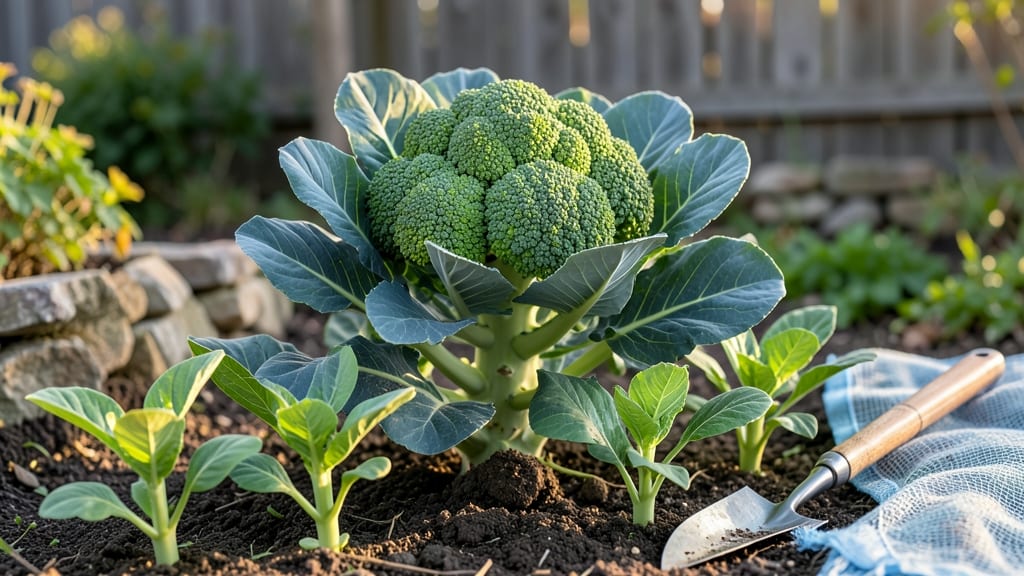
Planting broccoli in Illinois at the right time means the difference between a bountiful harvest and a sad, wilted disappointment.
Timing is everything when growing broccoli in Illinois—plant too early, and frost will ruin your harvest; too late, and heat stress stunts your plants. Mastering the perfect window between USDA Zones 5-6 ensures bold, flavorful heads before summer’s relentless sun takes over.
In northern Illinois, where winters linger longer, aim for mid-April to early May for spring planting, while southern regions can start as early as late March. Fall planting is equally critical—late July to early August gives you a second chance at a harvest before the first frost.
Below, I’ll break down the exact frost dates by region, how to prep your soil for fast germination, and the best varieties that thrive in Illinois’ unpredictable climate. No more guessing—just reliable, zero-frost broccoli.
Illinois broccoli planting calendar: exactly when to start seeds and transplants
Getting the timing right for broccoli in Illinois means balancing frost dates, soil warmth, and summer heat. In USDA Zones 5-6, your window is narrow—plant too early and frost zaps seedlings; too late and bolting (premature flowering) ruins your crop.
The key is knowing exact deadlines for both spring and fall planting.
Illinois’ last spring frost typically arrives between April 15 and May 1, depending on your location, while the first fall frost hits October 15-30. Soil temperatures must reach at least 40°F for seeds and 50°F for transplants to thrive. These variables make a month-by-month calendar essential for success.
Spring planting is your primary window, but fall broccoli (a cooler-season crop) can extend harvests into autumn. Below is your Illinois-specific planting schedule, accounting for direct sowing vs. transplanting and backup windows for unreliable weather.
For spring planting, start indoor seeds 6-8 weeks before your last frost date. In Zone 5, this means sowing by March 1-15, while Zone 6 gardeners can begin as early as February 20.
Transplant seedlings outdoors only after soil warms to 50°F—this usually aligns with mid-April to early May.
If you miss the spring window, don’t despair: summer sowing (July) can yield a late-season harvest before frost. Use heat-tolerant varieties like ‘Belstar’ or ‘Packman’ and protect seedlings with shade cloth during peak heat. Water deeply twice weekly to prevent bolting from stress.
Fall planting is your secret to autumn harvests. Start seeds in early August for a September-October crop. Trans
How to extend your broccoli season in Illinois: frost protection and successive planting hacks
Even with Illinois' short growing season, you can stretch your broccoli harvests by 3-4 weeks using simple frost protection and planting strategies. The key lies in timing adjustments and smart tools that shield tender plants from late spring frosts or early summer heat.
I've tested these methods in my Zone 5b garden and seen consistent results—let me show you how.
Start by understanding your microclimate. Northern Illinois (Zone 5) has earlier frost dates than southern areas (Zone 6), so adjust your timing accordingly. For example, Chicago's average last frost is May 15, while Springfield's is May 22. These differences matter when planning your successive plantings for continuous harvests.
⚠️ Critical Warning: Illinois Frost Dates Can Shift
Don't rely on average frost dates—check the National Weather Service or your local Cooperative Extension Service for real-time updates. In 2022, Chicago experienced frost as late as May 28, catching many gardeners off guard. Always have row covers ready for emergency protection during your broccoli's vulnerable early stages.
Pro Tip: Plant fast-maturing varieties (like 'Calabrese') first—they'll reach harvest size before heat stress becomes an issue in July.
For early spring plantings, use cold frames or low tunnels to create a 5-10°F warmer microclimate. I've had success starting seeds under clear plastic domes in early April, then removing them when soil reaches 45°F.
This gives my broccoli a 4-6 week head start before the official last frost date.
When summer heat arrives prematurely, shade cloth (30-50% shade) becomes your best friend. Hang it 3-4 feet above plants to allow airflow while blocking 90°F+ temperatures.
I've seen broccoli plants bolting within days when exposed to unprotected afternoon sun—the shade cloth extends usable growing time by 2-3 weeks.
Try successive planting every 2-3 weeks from April through July. For example, plant your first batch in early April under protection, then follow with transplants every 3 weeks until mid-July.
This staggered approach ensures you're always harvesting fresh broccoli while avoiding the bolting crisis that hits all plants at once.
Don't forget about fall plantings! Broccoli thrives in cool September weather. Aim to transplant 8-10 weeks before your first frost (typically late July to early August in Illinois). Use row covers in October to protect maturing heads from light frosts—they actually sweeten the flavor!