
Plants
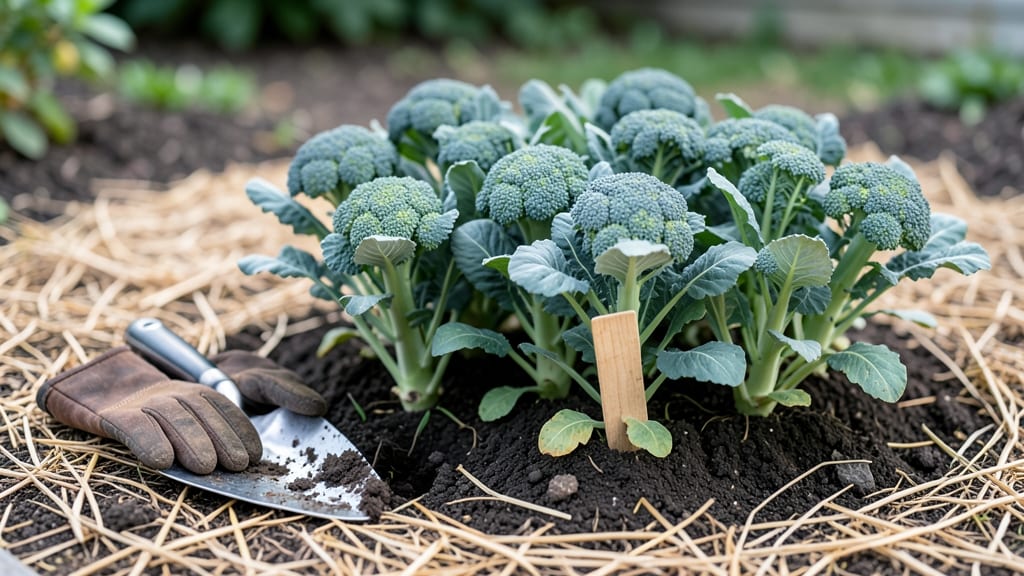
Plant broccoli in North Carolina’s fall season about 6–8 weeks before your first frost—typically late August to early October—for a harvest just before winter sets in.
North Carolina’s mild fall climate makes it ideal for growing broccoli—but planting too early or late can mean the difference between a bountiful harvest and bolted greens. Timing your 🥦 seeds correctly requires understanding soil temperatures, frost dates, and regional microclimates.
If you’ve ever rushed to plant broccoli only to watch it bolt before forming heads, you know how critical the right window is. The key is soil warmth: broccoli thrives when temperatures stay between 45°F and 65°F, which aligns with late summer’s cooling trend in NC’s 7a-8b zones.
Below, I’ll break down the exact planting schedule by region, how to test soil warmth, and which cold-hardy varieties perform best in NC’s fall conditions—so you can avoid the common mistakes and enjoy fresh broccoli straight from your garden through January.
NC fall broccoli planting calendar: exact weeks before first frost
North Carolina’s diverse climate means your fall broccoli planting window varies dramatically between the Coastal Plain, Piedmont, and Mountains. Coastal areas enjoy 4-6 weeks longer of growing season than the cooler mountain regions, so timing is everything.
The key? Planting 4-6 weeks before your average first frost date ensures mature heads before winter sets in.
For most of NC, this translates to late August through early October—but your exact dates depend on microclimates. Mountain gardeners should start earlier, while Coastal gardeners can push planting later. Always aim for soil temperatures between 45-65°F—broccoli roots struggle below 40°F and bolts above 70°F.
⚠️ CRITICAL NOTE: Broccoli needs 60-80 days to mature from transplant. Planting too late risks frost-damaged heads, while early planting may lead to bolting before harvest.
In the Coastal Plain, where first frosts average mid-November, you can push planting nearly to October 1st for late-season harvests. Use cold-hardy varieties like 'Waltham 29' to extend your window. For the Piedmont, aim to transplant by mid-September—any later risks stunted growth before frost.
Mountain gardeners face the tightest window: July 1st to August 1st is your only shot. Here, row covers become essential after September 15th to protect tender heads. Always check your local Cooperative Extension Service for precise frost dates—microclimates can shift planting windows by 2-3 weeks.
Pro tip: Direct-sow seeds in late August for Coastal areas, but transplant seedlings in the Piedmont/Mountains to avoid early heat stress. Harden off seedlings for 7-10 days before moving them outdoors to prevent transplant shock.
Soil preparation is just as critical as timing. Amend beds with compost to improve drainage—broccoli hates soggy roots. Add a 2-inch mulch layer of straw to retain moisture and suppress weeds. Test soil pH (aim for 6.0-7.0); broccoli thrives in slightly acidic to neutral conditions.
For successful fall broccoli, monitor weather forecasts after planting. If a cold snap is predicted, cover plants with row fabric or old bedsheets. Broccoli can tolerate light frosts (down to 25°F), but prolonged cold will damage heads.
Harvest before hard freezes (below 20°F) to avoid bitter, woody stems.
Remember: Broccoli planted too early bolts from heat, while late plantings produce small, frost-bitten heads. Striking the balance between soil warmth and frost dates is your ticket to a homegrown harvest from November through January.
Soil warmth test for broccoli: how to check before planting
Before you plant broccoli in North Carolina’s fall garden, checking your soil temperature is one of the most critical steps. Cold-hardy varieties like 'Waltham 29' and 'De Cicco' thrive in cooler conditions, but soil that’s too warm or too cold can stunt growth or trigger bolting.
A simple soil thermometer test ensures your broccoli gets the perfect start.
Broccoli seeds and seedlings prefer soil temperatures between 45°F and 65°F for optimal germination and growth. If your soil is warmer than 65°F, wait a few days or even weeks—especially in NC’s Piedmont region where late-summer heat lingers. Conversely, soil below 40°F can delay sprouting or cause seed rot.
⚠️ callout warning
If you plant broccoli in late August when soil is still warm (above 65°F), your plants may bolt prematurely—especially in NC’s Coastal Plain where heat lingers. Wait until soil cools to 55-60°F for best results. Use a soil thermometer to check daily if temperatures fluctuate.
To test your soil, insert a soil thermometer 2-3 inches deep (the depth of your seeds) and leave it for 10 minutes. Check readings in the morning when temperatures are most stable.
If your soil is too warm, delay planting by 1-2 weeks or use shade cloth to cool the bed. For cooler soil, consider a black plastic mulch to absorb and retain heat.
Once you’ve confirmed the right soil temperature, prepare your bed by mixing in compost or aged manure to improve drainage and fertility. Broccoli thrives in slightly acidic soil (pH 6.0-7.0), so test your soil’s pH with a kit if you’re unsure.
Amend with lime (to raise pH) or sulfur (to lower pH) as needed before planting.
For cold-hardy varieties like 'Waltham 29', which can tolerate light frosts, aim to plant when soil is 50-55°F and your first frost date is 8-10 weeks away. In NC’s Mountains, this might mean planting in early September, while the Coastal Plain could wait until mid-to-late September.
Adjust based on your local frost dates and soil readings.
After planting, maintain consistent moisture—broccoli needs 1-1.5 inches of water weekly—and mulch with straw to regulate soil temperature and retain moisture. With the right soil warmth and care, your broccoli will grow strong and ready for harvest before winter sets in.