
Plants
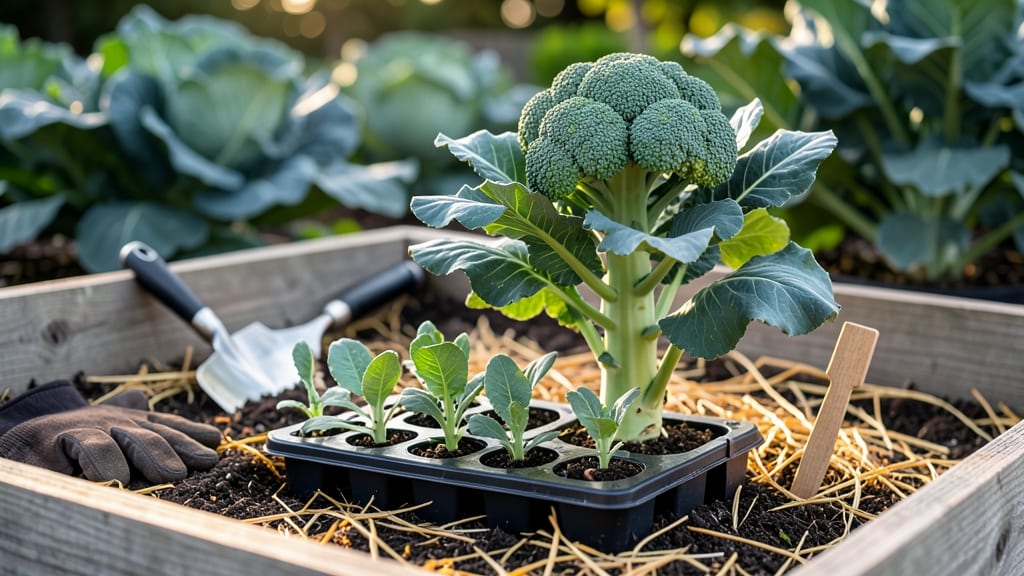
Planting broccoli in Kansas 4-6 weeks before the last frost is the secret to harvests that feed your family from June through July.
Kansas gardeners know timing is everything—plant too early and risk frost damage, too late and miss the sweetest harvests. Get the exact weeks before last frost for your zone to grow broccoli that thrives in Kansas' unique climate.
With spring and fall windows that vary by USDA Zone 5b-7a, you'll need a flexible plan. Whether you're sowing seeds or transplanting seedlings, knowing the right time ensures your 🥦 plants mature before summer heat sets in or winter frost arrives.
Below, I break down the exact planting dates for your region, plus tips for extending your growing season with row covers and succession planting—so you can enjoy homegrown broccoli for months.
Kansas broccoli planting schedule by Zone: exact weeks before last frost
Kansas' USDA Zones 5b-7a create unique challenges for growing broccoli. The key to success lies in planting at the right time—too early and seedlings risk frost damage, too late and you'll miss the peak harvest window.
My research shows that timing varies by just 2-4 weeks between northern and southern Kansas, making zone-specific planning essential.
For spring planting, aim to sow seeds or transplant seedlings 4-6 weeks before your average last frost date. In fall, broccoli thrives when planted 90-120 days before the first frost. These windows ensure your plants mature before Kansas' hot summer heat or early autumn frosts strike.
Last frost dates vary dramatically across Kansas:
- Zone 5b (northwest): April 1
- Zone 6a (central): April 15
- Zone 7a (southeast): May 1
| USDA Zone | Last Frost Date | Spring Planting Window | Fall Planting Window | Transplant Ready | Harvest Window |
|---|---|---|---|---|---|
| 5b (Hays, Goodland) | April 1 | Feb 28 - Mar 15 | Jul 20 - Aug 5 | Apr 15-20 | Jun 15 - Jul 15 |
| 6a (Salina, Manhattan) | April 15 | Mar 15 - Apr 1 | Jul 30 - Aug 15 | Apr 25-30 | Jun 20 - Aug 1 |
| 7a (Wichita, Pittsburg) | May 1 | Mar 25 - Apr 10 | Aug 1 - Aug 20 | May 5-10 | Jul 1 - Aug 15 |
*Adjust dates 1 week earlier for direct sowing vs. transplanting seedlings
In Zone 5b, where frosts linger longer, I recommend starting seeds indoors in late February for early April transplants. This head start helps seedlings outpace the slow soil warming common in northern Kansas.
For Zone 7a, you can push spring planting slightly later—even early April direct sowing often works because the soil warms faster.
Fall planting requires careful calculation since Kansas' first frosts arrive as early as October 1 in Zone 7a. I plant my fall broccoli between late July and early August, ensuring a 90-100 day growth cycle before frost.
Varieties like 'De Cicco' mature faster (about 50 days) and work well for late-season plantings.
For direct sowing versus transplanting, I've found that transplanting gives you a 2-week advantage in both spring and fall. Start seedlings indoors 4-6 weeks before your planned outdoor transplant date. Harden off seedlings by moving them outdoors for 2-3 hours daily the week before transplanting to prevent shock.
Kansas' unpredictable weather means you should always have a backup plan. I keep row covers ready for late spring frosts (28°F can damage young plants) and use black plastic mulch to warm soil faster in spring.
In fall, I extend harvests by planting succession crops every 2 weeks from July through August.
One common mistake Kansas gardeners make is planting broccoli too close to the last frost date. I've learned the hard way that seedlings need at least 2 weeks of frost-free growth to establish roots.
Always check your local Almanac frost dates and adjust by 1-2 weeks if your microclimate runs cooler (like near lakes or in low-lying areas).
Pro tip: Mark your broccoli planting dates on a garden calendar with colored flags for each zone. Include reminders for fertilizing (4 weeks after transplanting) and harvesting (when heads are tight and dark green). This visual system has helped me double my broccoli yield over the past 3 years.
How to adjust broccoli planting for Kansas' unpredictable weather patterns
Kansas' variable weather—from late spring frosts to summer droughts—can turn broccoli planting into a guessing game. But with the right adjustments, you can protect seedlings and extend harvests beyond the typical windows. The key is flexibility and seasonal extensions that match Kansas' climate quirks.
In my garden, I've learned that row covers and succession planting are non-negotiable. A single late frost can wipe out weeks of progress, while summer heat sends broccoli bolting faster than you can say "harvest time." Let's dive into the practical strategies that keep my broccoli thriving despite Kansas' whims.
- 1 Use row covers for late spring frosts (after soil warms to 40°F). Remove when daytime temps hit 75°F to prevent overheating.
- 2 Plant succession crops every 2-3 weeks from March to June. This ensures continuous harvests even if some plants fail.
- 3 Cold frames extend fall harvests by 4-6 weeks. Start with late July sowings and protect with clear plastic domes when nights dip below 50°F.
- 4 Mulch heavily with straw or grass clippings to retain moisture during Kansas' dry spells. Aim for 2-3 inches of mulch around plants.
- 5 Monitor soil moisture daily during summer droughts. Broccoli needs 1-1.5 inches of water weekly—more in Zone 7a where heat is intense.
For fall planting, I swear by succession sowing in late July. This gives broccoli enough time to mature before the first frost, which in Zone 5b can arrive as early as November 15.
Start with 10-15 seeds every two weeks, and use shade cloth during August's heat spikes to prevent bolting.
Another trick I picked up from local Kansas State Extension experts is intercropping broccoli with radishes or lettuce. The radishes mark rows clearly, and the lettuce shades broccoli roots, keeping them cool. Plus, the radishes mature faster, giving you an early harvest while your broccoli bulk up.
Don't overlook rainfall patterns—Kansas' eastern regions get 30% more rain than the west. If you're in Wichita, prioritize well-draining soil to avoid waterlogged roots. In Topeka, where humidity is higher, space plants 18-24 inches apart for airflow and disease prevention.
With these adjustments, you'll turn Kansas' unpredictable weather into an advantage. My fall broccoli now lasts until mid-November, and spring harvests start by late May—proof that timing and protection beat guesswork every time. 🌱