
Plants
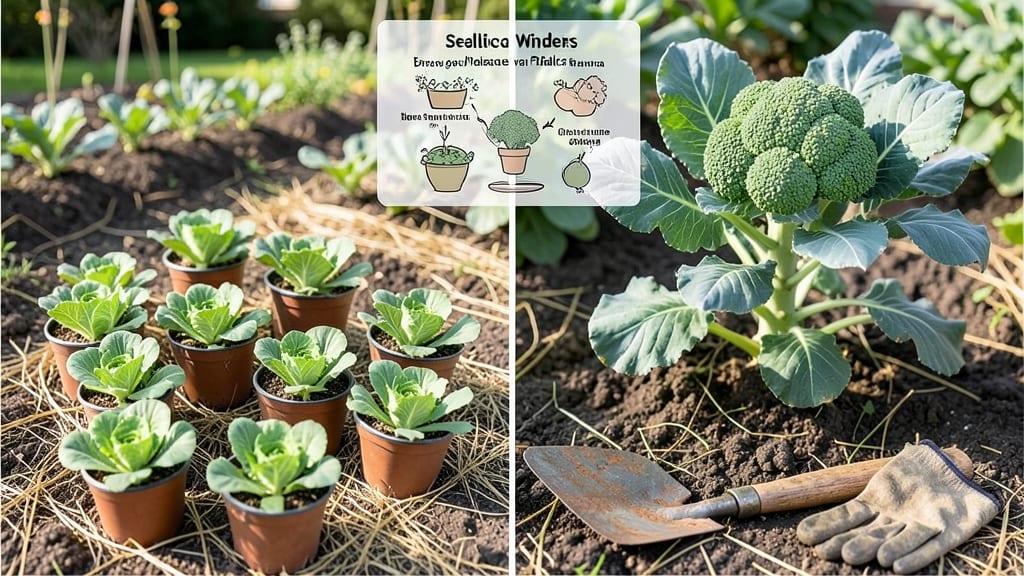
Planting broccoli in Seattle at the right time means the difference between a bumper crop of 🥦 and a sad, stunted garden.
Seattle’s unpredictable weather—where a late frost can strike in March or a heatwave arrives in September—makes timing everything. Miss the window, and your broccoli might bolt before you even get a single harvest. But get it right, and you’ll enjoy fresh, homegrown heads from late spring through fall.
In this guide, I’ll break down the exact planting windows for both spring and fall crops, how to adjust for Seattle’s microclimates (urban heat islands, coastal chill, and inland valleys), and the best varieties to handle our wet, cool growing seasons.
You’ll learn when to start seeds indoors, how to time transplants for maximum frost protection, and even how to stretch your harvest with succession planting—so you’re not left scrambling when the weather throws a curveball.
Seattle’s ideal broccoli planting windows by microclimate zone
Seattle’s diverse microclimate zones create unique challenges and opportunities for growing broccoli. While the city averages USDA Zone 8a, coastal areas near Bainbridge Island stay cooler, while inland zones like Kent experience warmer summer soil temps.
Understanding these variations helps you time plantings for frost-free success and avoid bolted or stunted crops.
For spring broccoli, aim to plant 4-6 weeks before your last frost date (typically March 15), but adjust based on your zone. Fall crops should go in late summer (August), allowing 60-80 days to mature before first frost (October 15).
Coastal areas can push fall plantings slightly later due to delayed frost.
Soil temperature is critical—broccoli seeds need at least 40°F to germinate, while transplants thrive in 50-70°F soil. Use a soil thermometer to monitor conditions, especially in urban heat islands where concrete absorbs warmth faster. Inland zones may reach ideal temps 2-3 weeks earlier than coastal areas.
Here’s how to align your planting with Seattle’s three key microclimates: urban, coastal, and inland. Each zone has distinct frost risks, soil warming rates, and ideal transplant windows for both spring and fall crops.
| Zone | Last Frost Date | Spring Planting Window | Fall Planting Window | Soil Temp for Transplants | Key Varieties |
|---|---|---|---|---|---|
| Coastal (e.g., Bainbridge, West Seattle) | April 1-15 | March 20-April 10 (transplants) | August 15-September 10 | 50-60°F (slower warming) | 'Waltham 29', 'Calabrese' |
| Urban (e.g., Capitol Hill, Fremont) | March 20-April 5 | March 1-March 25 (transplants) | August 1-August 20 | 55-65°F (moderate warming) | 'De Cicco', 'Green Gems' |
| Inland (e.g., Kent, Auburn) | March 10-20 | February 25-March 15 (transplants) | July 25-August 10 | 60-70°F (faster warming) | 'Packman', 'Belstar' |
For spring crops, start seeds indoors 6-8 weeks before transplanting (late January for inland zones, early February for urban/coastal). Harden off seedlings for 7-10 days before moving them to garden beds, where they’ll need full sun (6+ hours) and well-draining soil with a pH of 6.0-7.0.
Coastal gardens may require black plastic mulch to warm soil faster.
Succession planting extends your harvest in Seattle. After harvesting your first spring crop, sow fast-maturing varieties like 'Green Gems' (50 days) every 2 weeks until early June. For fall crops, plant slow-bolting varieties like 'Waltham 29' in late July to avoid heat stress, then follow with cold-hardy transplants in August.
Monitor soil moisture closely—Seattle’s winter rains can lead to waterlogged soil, while summer droughts (especially inland) stress broccoli. Use drip irrigation or soaker hoses to deliver 1-2 inches of water weekly, and always water early in the morning to prevent fungal diseases like downy mildew.
Mulch with straw or wood chips to retain moisture and regulate soil temps.
Protect young plants from late frosts (common in April) with floating row covers or cloches. Inland zones may experience unexpected heatwaves in late summer, so provide shade cloth for transplants until soil cools. Coastal gardens benefit from windbreaks to prevent salt spray damage from Puget Sound winds.
Plan for two harvests per year: a spring crop (May-June) and a fall crop (October-November). Use cold frames to extend fall harvests into December if your zone stays mild. Save seeds from open-pollinated varieties like 'De Cicco' for next season’s garden—just ensure full maturity before frost hits.
How to adjust planting for Seattle’s unpredictable weather patterns
Seattle’s cool, wet springs and unpredictable late frosts demand flexibility in your broccoli planting strategy. Unlike warmer climates, timing matters more here—delayed planting can mean stunted heads or bolting before harvest.
The key is layering protection strategies like row covers and cold frames to shield tender seedlings from 30°F nights that can linger into May.
For spring crops, I start seeds indoors 6-8 weeks before the last frost (mid-March) to give them a head start. Transplant hardened-off seedlings 2-3 weeks before your target planting date, using black plastic mulch to warm soil faster.
This buffer helps when April showers turn into May freezes—a common Seattle surprise.
⚠️ callout warning ⚠️
🌡️ Late Frost Alert!
Seattle’s average last frost is March 15, but late frosts can hit April 10-20. Use these 3 tactics to protect seedlings:
- Row covers: Lightweight fabric raises temps by 5-8°F—critical for broccoli seedlings (USDA Zone 8a).
- Cold frames: Extend season 4-6 weeks earlier by trapping heat from sunlight.
- Variety choice: ‘De Cicco’ (70 days) tolerates 28°F better than ‘Calabrese’ (60 days).
💡 Pro Tip: Monitor local frost alerts via UW Agriculture or NWS Seattle—they’re more accurate than calendar dates.
When heatwaves hit in late summer (yes, even Seattle gets them), switch to shade cloth (30-50%) to prevent bolting. I’ve seen Calabrese broccoli go from perfect heads to bitter stalks in 3 days during a 90°F spike.
For fall crops, plant August 1-15 for harvests before the October 15 first frost. Use succession planting every 2 weeks to stagger maturity and avoid gluts.
Soil moisture is another Seattle wildcard. Consistent dampness (1-2 inches weekly) prevents head splitting, but overwatering in heavy clay soils leads to rot. I raise beds in low-lying areas to improve drainage—critical after our winter rains.
For container growing, use self-watering pots to avoid missed watering during weekend downpours.
Don’t overlook companion planting to mitigate weather stress. Pair broccoli with bush beans (fix nitrogen) and dill (repels cabbage moths), but avoid tomatoeshornworms. In coastal Seattle, where fog delays warming, I add straw mulch to insulate roots and retain 10% more moisture than bare soil.
Finally, harvest timing becomes a gamble with Seattle’s weather. If heads form but frost looms, cut them smaller than ideal—they’ll still be edible. For side shoots, protect regrowth with cloche covers until temps stabilize.
With these adjustments, you’ll double your yield despite the Pacific Northwest’s mood swings.