
Plants
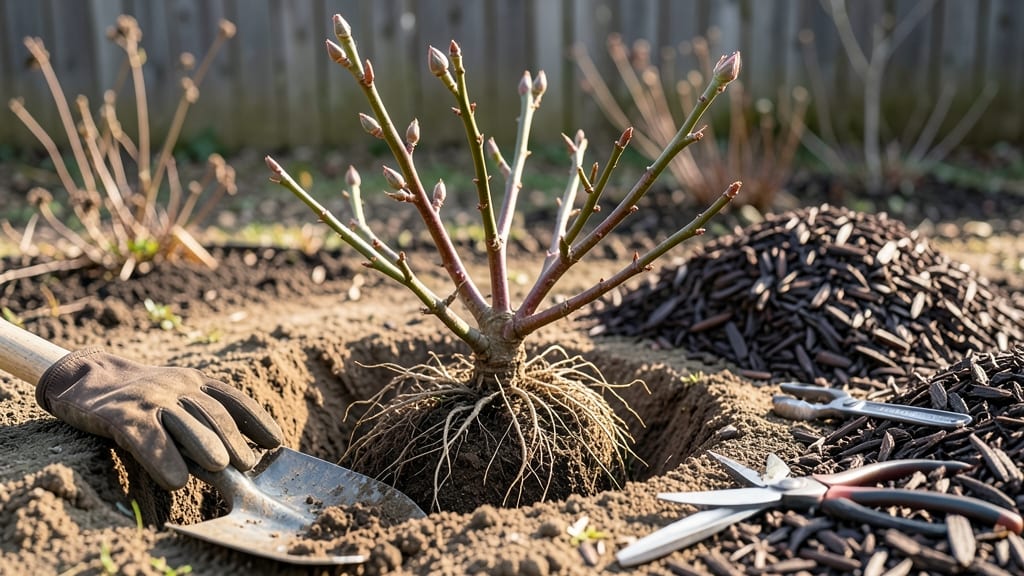
To plant roses in the Pacific Northwest, aim for late winter to early spring or fall—timing here can mean the difference between vibrant blooms and frost-damaged dreams.
Picture this: you’ve just planted your 🌹 roses in late April, only to watch them wilt under an unexpected frost in May. That’s why getting the window right—whether you’re in Seattle’s coastal chill or the inland heat of Portland—isn’t just helpful, it’s essential.
In zones 7b-9a, the best months are September through October for fall planting or February through April for spring. But here’s the catch: coastal areas like Olympia have later frosts, while inland spots like Wenatchee can handle earlier planting. Microclimates matter.
Below, I’ll break down the exact planting windows by region, soil prep tips, and how to protect your roses from the PNW’s infamous frost surprises—so you can enjoy those blooms year after year.
Pacific Northwest rose planting zones: when to plant by hardiness map
Planting roses in the Pacific Northwest requires understanding your USDA hardiness zone—whether you're in coastal Seattle (Zone 8) or inland Eastern Washington (Zone 7). The first frost dates and microclimates vary dramatically, making timing everything for root establishment before winter.
In my Zone 8b garden, I've learned that planting too late in fall can leave roses vulnerable, while early spring plantings risk frost damage to tender shoots.
Coastal areas like Portland and Vancouver enjoy milder winters with later first frosts (often mid-November), while inland regions like Spokane and Wenatchee face earlier frosts (as early as October 15). These differences mean your optimal planting window could shift by weeks depending on location.
For example, September 15-October 15 works for coastal gardeners, but inland gardeners should aim for August 15-September 15 to avoid winter stress.
Here's how to navigate these differences with precision:
Notice how the soil temperature threshold varies by just 10°F between inland and coastal zones? This is why I always check soil temps with a soil thermometer before planting. In my Zone 8b garden, I wait until soil reaches 55°F—even if air temps are cooler.
Cold soil can shock roots and stunt growth, especially for bareroot roses that need to establish quickly.
The USDA map provides a starting point, but your local microclimate often dictates better timing. For instance, Seattle's Puget Sound experiences milder winters than just 20 miles inland. I've seen gardeners in Ballard plant roses in early October when their neighbors in Bellevue were still waiting until November.
The key is observing your garden's specific patterns over 3-5 years to refine your schedule.
For fall planting, aim to give roses 6-8 weeks of warm soil before the ground freezes. In Zone 7b, that means planting by September 15—any later risks insufficient root growth.
I've had Knock Out roses planted in late September survive winters, but they required extra mulch (6-8 inches) and circular watering to protect new roots. The trade-off? They bloomed 2 weeks earlier the following spring.
Spring planting offers a second chance for missed fall opportunities. In my experience, March-April works best when soil temps consistently stay above 50°F.
I've planted David Austin roses in early April with no frost damage, but I always cover them with frost cloth for the first 2 weeks as a precaution. The downside? Spring-planted roses often bloom 3-4 weeks later than fall-planted ones.
Don't overlook containerized roses, which offer a 4-6 week extension for planting. These can go in the ground until October 31 in most PNW zones because their roots aren't exposed.
I planted a containerized 'Julia Child' rose on October 15 in Zone 8b last year, and it survived with no winter protection
Best months for planting roses in PNW: bareroot vs. containerized roses
Timing your rose planting in the Pacific Northwest depends on whether you're using bareroot or containerized roses. Each type has distinct windows and care needs that can make or break your success.
Bareroot roses, sold dormant with no soil, thrive when planted during their natural dormancy periods, while containerized roses offer more flexibility with their established root systems.
For bareroot roses, the ideal planting windows are fall (September-October) or early spring (March-April). Fall planting allows roots to establish before winter dormancy, while spring planting gives them time to grow before summer heat arrives.
Containerized roses, however, can be planted from late winter through early fall, giving you a broader window to work with.
🌹 Planting Timeline for PNW Roses
- 📅 September-October: Best time for bareroot roses—roots establish before winter.
- 🌱 March-April: Ideal for spring planting of bareroot roses; soil warms to 50°F+.
- 🌿 Late Winter-Early Fall: Containerized roses can be planted anytime soil isn’t frozen.
- ⚠️ Avoid: Planting bareroot roses when soil temps are below 40°F or above 85°F.
- 💧 Moisture Tip: Keep soil consistently moist (not soggy) for 4-6 weeks post-planting.
When planting bareroot roses, focus on soil temperature—roots won’t grow well below 40°F. In the PNW, this often means waiting until late March or early April in inland areas, while coastal regions may see earlier planting due to milder winters.
For containerized roses, the key is avoiding extreme heat or frost; aim for 50-70°F soil temps for best root growth.
Moisture management is critical during the first 4-6 weeks after planting. Bareroot roses need consistent watering to encourage root development, while containerized roses benefit from deep watering every 5-7 days until established. Mulch heavily around the base to retain moisture and regulate soil temperature, especially in our rainy PNW climate.
If you miss the ideal windows, don’t despair! Containerized roses can often be planted in late spring or early fall with careful acclimation. For bareroot roses, fall planting is generally preferred—it gives roots time to harden off before winter.
Just ensure you plant at least 6-8 weeks before the first frost to allow for root establishment.
For gardeners in cooler microclimates like the Olympic Peninsula or Cascades, extend your fall planting window by using row covers or mulch to protect young plants.
In warmer inland areas like the Columbia Basin, prioritize early spring planting to avoid summer heat stress. Always check local frost dates and adjust accordingly.
Remember, the Pacific Northwest’s variable climate means flexibility is key. Monitor soil temps with a thermometer, and don’t hesitate to adjust your planting timeline based on weather patterns. With the right timing and care, your roses will reward you with vibrant blooms for years to come! 🌷