
Plants
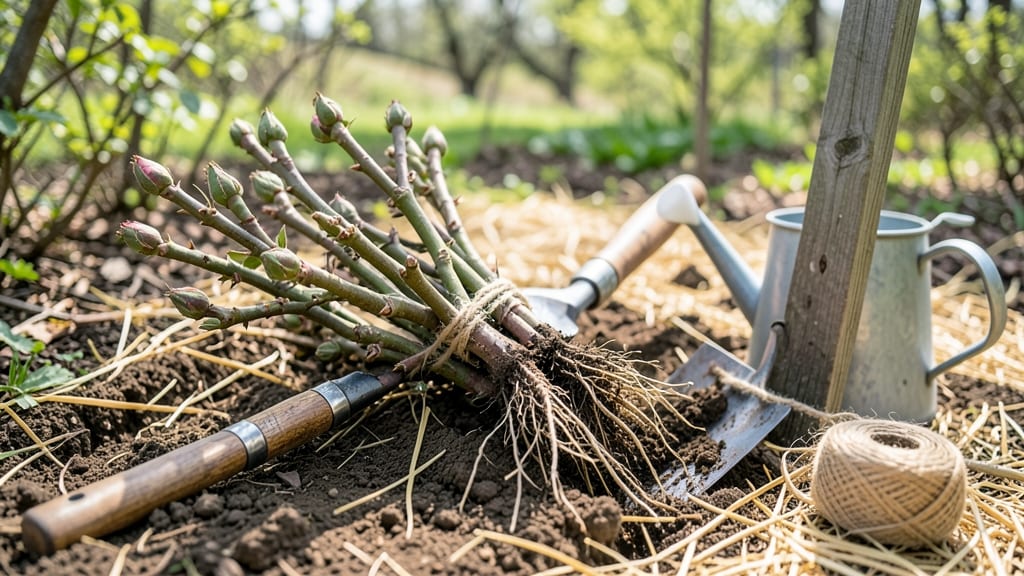
Plant roses in Missouri between early March and mid-April or late September to early October for the best chance at thriving 🌹 bushes.
Missouri’s unpredictable spring frost can turn your rose planting dreams into a frozen disappointment—but timing it right ensures your bushes thrive from the first bloom.
Whether you’re working with bare-root roses or container-grown plants, the key is planting 1-2 weeks before the last frost date in spring or 6-8 weeks before the first frost in fall.
In this guide, I’ll break down the exact frost-free timeline for USDA Zones 5b/6a, plus soil prep tips to help your roses take root strong and bloom beautifully.
Best planting months for Missouri roses: frost-free timeline by variety
Missouri’s USDA Zones 5b/6a mean your rose planting success hinges on beating the last frost date, which typically falls between April 15–May 15. Planting too early risks frost damage, while waiting too long delays root establishment.
The ideal window is 1–2 weeks before the last frost, when soil temperatures hit 50–60°F. This timing ensures your roses establish roots before summer heat stress kicks in.
Bare-root roses and potted roses have slightly different timing needs. Bare-root varieties can handle cooler soil and should be planted as early as late February if you’re in Zone 6a with mild winters.
Potted roses, however, need warmer soil—aim for mid-April or later. Early bloomers like Knock Out® roses thrive with early planting, while late-season varieties benefit from a slightly delayed start.
Missouri’s first frost usually arrives around October 15, making early fall another prime planting window. For fall planting, aim to finish 6–8 weeks before frost (late September) to allow roots to establish before dormancy.
This timing works best for shrub roses and climbing roses, which handle cooler fall temperatures better than delicate hybrid teas.
For Zone 5b gardeners, patience is key—wait until April 15 or later to plant bare-root roses, as early springs can bring unexpected frosts. In Zone 6a, you can push the window back to late February for hardy varieties like Dr. Huey or Cecile Brünner.
Always check your local Missouri State Climatologist updates for real-time frost predictions, as microclimates (like
How to prepare for Missouri’s frost risks: 5 proven strategies
Missouri’s unpredictable frost dates can devastate young rose bushes, but with the right strategies, you can shield your hybrid teas, climbers, and shrub roses from damage. The key is combining soil insulation, mulching, and smart microclimate selection to create a protective buffer.
Even hardy varieties like Knock Out® roses need extra care during late spring frosts, which can hit as late as May 1 in some areas.
Start by understanding that bare-root roses and container-grown roses have different frost vulnerabilities. Bare-root plants, with their exposed roots, are especially sensitive to temperature swings, while potted roses can be moved to sheltered spots.
Your goal? Mimic the natural frost protection roses evolved with—think of it as giving them a cozy blanket until they establish strong root systems. Here’s how to do it right:
- 1
- 2
- 3
- 4
- 5
Don’t overlook the power of plant spacing either. Crowded roses compete for heat and moisture, making them more susceptible to frost damage. Space hybrid teas 2–3 feet apart and climbers 3–4 feet from walls to improve airflow and reduce frost risk.
If you’re planting in early spring, monitor the National Weather Service’s frost alerts and have emergency covers ready—even a cardboard box can save a young rose from a surprise freeze.
For fall planting, which is ideal for Missouri’s USDA Zone 5b/6a, focus on root establishment before winter.
Plant 6–8 weeks before the first frost (typically by September 15) and use extra mulch (8+ inches) to protect roots through the cold months. Shrub roses handle fall planting best, while hybrid teas may need additional winter protection, like wrapping canes with burlap.
Pro tip: Test your soil’s drainage and pH before planting. Missouri’s clay soils can trap cold, so amend with compost and sand to create a well-draining, fertile mix. Aim for a pH of 6.0–6.5, which roses thrive in, and your frost-protection strategies will work even better.
With these 5 proven methods, your roses will bounce back from Missouri’s unpredictable frosts and reward you with vibrant blooms all season.