
Plants
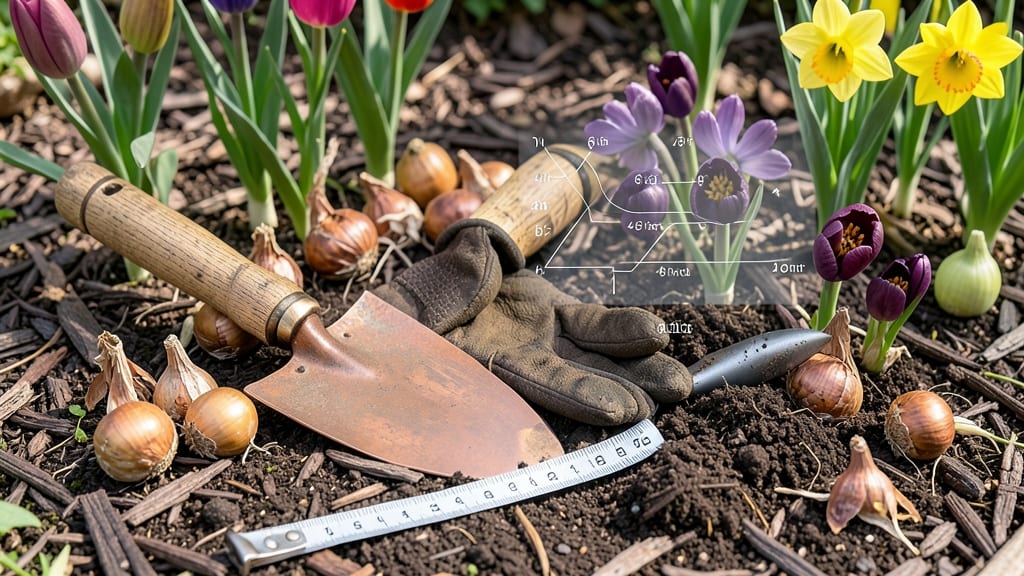
Planting Spring Flowering Bulbs 🌷 in Maryland at the right time means the difference between a showstopping spring garden and a sad, half-blooming disappointment.
Maryland gardeners know timing is everything—plant bulbs too early, and they’ll rot; too late, and they won’t bloom. But with Maryland’s unpredictable climate, figuring out the perfect planting window for chill-requiring tulips vs. heat-loving dahlias can feel like a guessing game.
Here’s the good news: whether you’re growing classic daffodils, hyacinths, or even tropical bulbs like cannas, the right schedule depends on just two things—your USDA zone (6a–7b) and whether the bulb needs a cold winter to bloom.
Below, I break down the exact months to plant for spring blooms, how to prep your soil for Maryland’s clay-heavy earth, and the one mistake that ruins bulbs every year in Zone 7b.
Maryland bulb planting calendar: chill-requiring types (tulips, daffodils, hyacinths)
Maryland’s chill-requiring bulbs like tulips, daffodils, and hyacinths need a 6-8 week cold period to bloom spectacularly in spring. The key is planting them in fall—but timing varies across Maryland’s microclimates.
In Baltimore’s Zone 7a, the window narrows faster than in Western MD’s Zone 6b, where colder temps extend planting slightly. Miss this window, and your bulbs may not develop strong roots before winter, leading to weak or no blooms next spring.
Soil temperature is your best guide: aim to plant when soil temps drop below 60°F but before the ground freezes. In most of Maryland, this means mid-September to early November.
However, late frosts in April can trick you—some gardeners in Eastern Shore wait until October to avoid early freezes, while Piedmont gardeners may start as early as late August for heat-loving varieties like georgica daffodils.
Here’s your Maryland-specific planting timeline, adjusted for the state’s USDA Zones 6a–7b and regional frost variations:
| Month | Planting Window | Soil Temp Threshold | Maryland-Specific Notes | Action Steps |
|---|---|---|---|---|
| Late August | Early start (Western MD only) | 65–70°F | Zone 6b areas (e.g., Cumberland) | Prep soil; plant heat-tolerant varieties like darwin hybrid tulips. |
| September | Ideal window (statewide) | 60–65°F | Best for Baltimore/DC metro and Eastern Shore. | Plant tulips and hyacinths 6" deep; daffodils 8" deep. |
| October | Last chance (most of MD) | 50–55°F | Critical for Zone 7a (e.g., Annapolis). | Add bone meal for root boost; mulch after planting. |
| November | Risky (only for early bloomers) | Below 50°F | Avoid in northern MD; use for early daffodils only. | Plant paperwhite narcissus in containers indoors. |
| December | Too late (except containers) | Frozen ground | Bulbs won’t root; risk rot. | Force hyacinths in pots with pebbles. |
Why does October matter so much? Bulbs need 4–6 weeks of root growth before winter sets in. Planting in late October or November risks shallow roots, making them vulnerable to heaving (bulbs pushing out of soil) during freeze-thaw cycles.
In Baltimore’s clay soil, this is especially critical—amend with compost to improve drainage and prevent rot.
Pro tip: Use a soil thermometer to check temps. In Western MD’s cooler zones, you might plant 2 weeks later than in Annapolis. For example, Frederick County gardeners often wait until mid-October, while Calvert County may start in early September.
Adjust based on your last average frost date—check the Maryland Climate Hub for local data.
After planting, mulch heavily (3–4 inches) with straw or shredded leaves to insulate bulbs. In urban areas, where soil stays warmer, use black plastic mulch in fall to cool the soil faster. Avoid synthetic mulches like landscape fabric, which can trap moisture and cause rot. Water deeply after
Non-chill bulbs in Maryland: when to plant heat-loving varieties (dahlias, canas, begonias)
Maryland’s humid summers can be a challenge for heat-loving bulbs like dahlias, cannas, and begonias—these tropical varieties thrive when planted at the right time to avoid soil rot and fungal diseases. Unlike chill-requiring bulbs, these don’t need winter dormancy and instead prefer warm soil and consistent moisture.
The key? Planting them after the last frost but before the dog days of summer when heat stress peaks.
For Maryland’s USDA Zones 5a–7b, the ideal window is mid-April to early June for spring planting, or late August to mid-September for a fall display.
However, container growing extends your options—let me break down the pros and cons of each method so you can choose what works best for your garden.
Direct-Sowing in Maryland Soil
- Cost-effective—no pots needed
- Better root establishment in native soil
- Ideal for perennial types like cannas
- Risk of rot in Maryland’s clay-heavy soil
- Limited control over soil moisture
- Late frosts can damage early plantings
Container Planting in Maryland
- Extend growing season—move pots indoors in winter
- Prevents soil-borne diseases with fresh potting mix
- Flexible placement—protect from late frosts
- Higher cost for pots and soil
- Requires regular watering—containers dry faster
- Limited root space for large varieties like dahlias
If you’re planting directly in the ground, amend your soil with organic matter like compost or coconut coir to improve drainage—Maryland’s clay can suffocate these bulbs.
For containers, use a lightweight potting mix with perlite to mimic tropical conditions. Dahlias and cannas also benefit from a slow-release fertilizer at planting to fuel their rapid growth.
For Zone 7b gardeners, aim to plant by May 1st to avoid the 90°F+ heat that stresses young tubers. In Zone 5a, wait until after Memorial Day to ensure no surprise frosts.
Begonias, being more delicate, should go in late May to early June when soil temperatures consistently stay above 60°F.
Pro tip: Mulch heavily with straw or pine needles to retain moisture and regulate soil temperature. This is especially critical in Maryland’s humid summers, where bulbs can overheat or develop root rot if left exposed.
Water deeply once a week at the base, avoiding wetting the foliage to prevent fungal issues.
With the right timing and soil prep, your dahlias will burst into color by mid-summer, and your cannas will tower over your garden like tropical sentinels. Just remember: these bulbs are not frost-hardy, so dig them up before the first frost or overwinter them in containers indoors.