
Plants
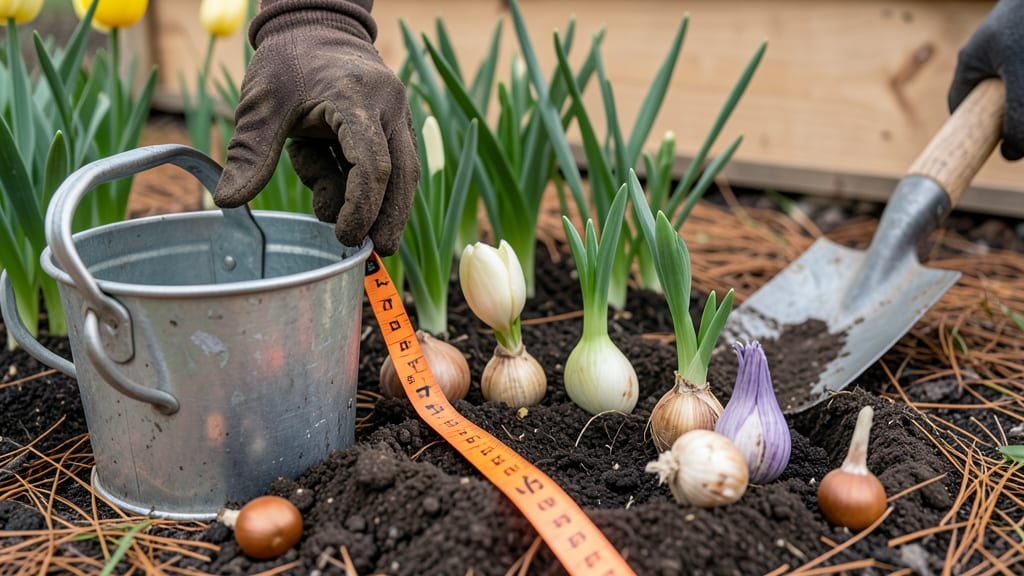
Planting bulbs in South Carolina at the right time ensures vibrant spring blooms and avoids wasted effort, especially when coastal and inland zones differ by 4 weeks.
Timing your bulb planting in South Carolina can mean the difference between a vibrant spring display and a missed opportunity—especially when coastal and inland climates clash by up to 4 weeks!
Fall is the prime window for most spring-flowering bulbs 🌷, but whether you're in Charleston or Greenville, the USDA 7b-8b zones shift your schedule. Plant too early, and bulbs rot; too late, and they won’t root before winter. Here’s how to nail it.
You’ll learn the exact months for coastal vs. inland planting, the best bulbs for your zone, and how to prep soil—whether it’s sandy near the coast or loamy inland—to set your garden up for success.
South Carolina bulb planting calendar: coastal vs inland planting months
South Carolina's diverse climate—from the humid coastal Lowcountry to the drier inland Piedmont—creates unique challenges for bulb planting. The coastal zone (7b) experiences milder winters and later frosts, while inland areas (8a) can see earlier freezes.
Getting your timing right ensures healthy root establishment before winter dormancy or summer heat stress.
Most spring-flowering bulbs like tulips, daffodils, and crocuses need 6-8 weeks of cool soil temperatures to root before dormancy. Coastal gardeners have a 4-6 week window extension compared to inland areas, which means starting earlier in September rather than waiting for October.
Here’s how to align your planting with South Carolina’s microclimates and frost dates:
For coastal gardeners in Charleston or Hilton Head, prioritize planting by October 15 to ensure bulbs establish roots before winter rains and humidity slow growth. Inland areas like Columbia or Greenville should finish by November 1 to avoid early frost damage.
Pro tip: Use organic mulch (pine straw or shredded leaves) after planting to insulate bulbs. Coastal areas may need additional mulch to prevent salt spray damage from ocean winds. Inland gardens benefit from lightweight mulch to retain moisture during hot summers.
If you missed the fall window, January-February is your next chance—but coastal gardeners can start as early as mid-January while inland areas should wait until February. Choose hardier varieties like daffodils or alliums for better success in late plantings.
Always check local frost dates using the SC State Climate Office or Almanac tools, as microclimates (like elevated gardens or shaded spots) can shift your planting window by 2-3 weeks. For container gardening, adjust timing 1-2 weeks earlier since pots heat up faster.
🌱
Best fall-planted bulbs for South Carolina gardens (and when to order them)
South Carolina’s mild winters and humid summers create the perfect conditions for fall-planted bulbs, but the coastal Lowcountry and inland Piedmont regions demand different strategies.
The key is planting 4-6 weeks before ground freeze—typically mid-September to November—while accounting for sandy soils near the coast and loamy soils inland.
For coastal areas like Charleston, aim for early September planting to avoid hurricane season delays and give bulbs time to root before winter rains. Inland zones like Columbia can wait until late October, when nights consistently dip below 50°F.
Order bulbs by late summer to secure your favorites before retailers sell out!
Prep your soil differently based on your location: Coastal gardeners should mix sand and compost into native soil to improve drainage, while inland gardeners can amend with organic matter only.
For sandy soils, add 1 inch of mulch to retain moisture, and for loamy soils, focus on even moisture without waterlogging.
After planting, water deeply once and then only when the top 2 inches of soil dry out. Overwatering in winter can rot bulbs, while underwatering stresses them. In Zone 8a (coastal), reduce watering in December-February to mimic natural dry spells.
Pro tip: Plant daffodils and alliums together—daffodils deter deer, and alliums repel pests like aphids. Order bulbs by late summer to avoid shortages, and store them in a cool, dry place until planting day!
🌷 With the right bulbs and timing, your South Carolina garden will burst into color by late winter or early spring, turning heads before the humidity sets in!