
Plants
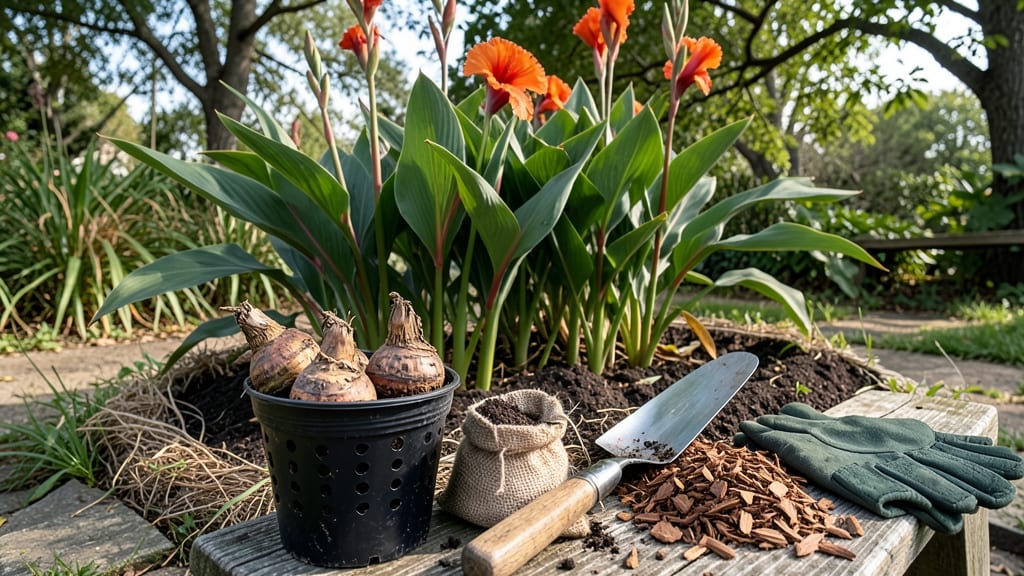
Planting canna bulbs in Kansas after the last frost — typically by late April — unlocks their full potential for bold summer blooms before fall frosts strike.
Kansas gardeners know the difference between a thriving summer display and a missed opportunity — timing is everything, especially for canna bulbs that need precise planting windows to survive Zone 6b/7a’s unpredictable climate.
These tropical-looking 🌺 canna lilies thrive in Kansas’ heat but need warm soil and frost-free nights to establish roots. Plant too early, and a late frost will wipe them out; wait too long, and you’ll miss the 90-day bloom window before fall.
Below, I’ll walk you through the exact planting timeline, soil prep tricks to outsmart Kansas’ variable springs, and how to protect your bulbs if an early frost sneaks in.
Optimal Kansas planting dates for canna bulbs by last frost risk
Kansas gardeners face a unique challenge with canna bulbs—their tropical origins clash with our Zone 6b/7a winters. Planting too early risks frost damage, while waiting too long cuts bloom time short.
The last frost date in Kansas typically falls around April 15, but soil warmth matters more than calendar dates for cannas.
Canna bulbs thrive when soil temperatures reach 60°F or higher. In Kansas, this usually aligns with late April to early May, but early-morning frosts can linger until mid-May in northern regions.
Using mulch or row covers extends your planting window by 2-3 weeks if you're willing to protect young shoots.
| Planting Strategy | Best Timeframe | Soil Temp Requirement | Frost Protection Needed | Bloom Potential |
|---|---|---|---|---|
| Early Planting (Risk Tolerant) | Mid-April (with protection) | 55-60°F (use heat mat) | Row covers or cloches | High (longer growing season) |
| Standard Planting (Recommended) | Late April - Early May | 60°F+ (verified) | None (after last frost) | Excellent (peak blooms) |
| Late Planting (Catch-Up) | June (container only) | 65°F+ (warm soil) | None (potted plants mobile) | Moderate (smaller blooms) |
| Container Planting (Extended) | May 15 - June 1 | 60°F+ (potting mix warms faster) | Move indoors if frost | Good (flexible timing) |
For maximum bloom potential, aim to plant canna bulbs by May 1 in most of Kansas. This gives them 120-150 frost-free days to establish roots and produce show-stopping flowers before fall frosts arrive around mid-October. In Zone 6b (northern Kansas), wait until May 10 to avoid late frosts.
If you miss the ideal window, don't despair—cannas planted in June containers still produce blooms, though they'll be smaller and later. Choose dwarf varieties like 'Pyramid' or 'Pactolus' for better results in shortened seasons. Always plant bulbs 2-3 inches deep in well-draining soil mixed with compost for best results.
Pro tip: Use a soil thermometer to confirm warmth before planting. Canna bulbs won't sprout until soil hits 60°F consistently. In southern Kansas (Zone 7a), you can plant as early as April 15 with frost cloth protection if needed.
Remember that cannas are tender perennials in Kansas—they'll die back in winter but can be dug and stored for next year. If you're growing them as annuals, prioritize planting in late April to early May for the most dramatic summer display.
For gardeners in elevated areas like Wichita or Hays, add black plastic mulch 1-2 weeks before planting to warm the soil faster. This can shave 7-10 days off your planting timeline. Always water newly planted bulbs deeply after planting to encourage root growth.
Track your local frost dates using the National Weather Service or Old Farmer's Almanac. In 2023, Topeka's last frost occurred on April 22, while Dodge City saw its last frost on April 5. These variations show why soil temperature matters more than calendar dates for cannas.
Plan to harvest canna blooms from late July through September when planted on time. Early plantings may produce flowers as soon as June 15 in favorable microclimates, while late plantings bloom in September only. The key is balancing root establishment with daylength triggers for flowering.
How to prepare canna bulbs for Kansas’ unpredictable spring weather
Kansas’ spring weather can swing from icy late frosts to sudden heatwaves, making canna bulb preparation a critical step for success. Unlike tropical natives, cannas need soil temperatures above 60°F and a gentle transition from dormancy to growth.
I’ve learned that skipping these steps often leads to stunted plants or failed blooms—so let’s get your bulbs ready to thrive.
Chilling requirements are key for cannas, especially in Kansas’ Zone 6b/7a. Store bulbs in a cool, dark place (like a garage) for 4-6 weeks before planting to simulate winter dormancy. This mimics natural conditions and jumpstarts growth once temperatures rise. Without this step, your cannas may sprout weakly or take longer to establish.
Next, check your soil temperature using a soil thermometer—plant only when it consistently reads 60°F or warmer. In Kansas, this typically aligns with mid-to-late May, but don’t rush.
Cold soil can cause rot or poor root development, and no amount of mulch will fix that. Patience here pays off with stronger, more resilient plants.
🌱 Step-by-Step Canna Bulb Prep for Kansas
-
Step 1: Chill the Bulbs
Store bulbs in a cool, dark place (40-50°F) for 4-6 weeks before planting to break dormancy.
-
Step 2: Test Soil Temperature
Use a thermometer—plant only when soil reaches 60°F+ (usually late May in Kansas).
-
Step 3: Soak Bulbs Overnight
Submerge bulbs in lukewarm water for 12 hours to rehydrate and stimulate root growth.
-
Step 4: Amend the Soil
Mix in compost and perlite to improve drainage—cannas hate soggy roots.
-
Step 5: Plant Deeply
Bury bulbs 2-3 inches deep, spacing them 18-24 inches apart for full growth.
-
Step 6: Protect from Frost
Cover young shoots with frost cloth if late frosts threaten (common in Zone 6b).
-
Step 7: Mulch Heavily
Apply 3-4 inches of mulch to retain moisture and regulate soil temperature.
For extra protection against Kansas’ unpredictable late frosts, I recommend covering young shoots with frost cloth or a lightweight row cover. Secure it loosely to avoid trapping heat—cannas can handle light frosts (28-30°F) but may suffer damage below that.
Remove covers during the day to allow sunlight, and always water before covering to reduce frost damage.
Finally, mulching is non-negotiable in Kansas’ climate. Apply a 3-4 inch layer of organic mulch (like straw or shredded leaves) around your cannas to lock in moisture and insulate roots.
This is especially critical during heatwaves or drought periods, which can stress young plants. Mulch also suppresses weeds, reducing competition for nutrients.
With these steps, your canna bulbs will be ready to burst into vibrant summer blooms—just in time for Kansas’ long, sunny days. And if a late frost sneaks in?
Don’t panic. Cannas are tougher than they look, and a little extra care now means stunning flowers from August through October. 🌺