
Plants
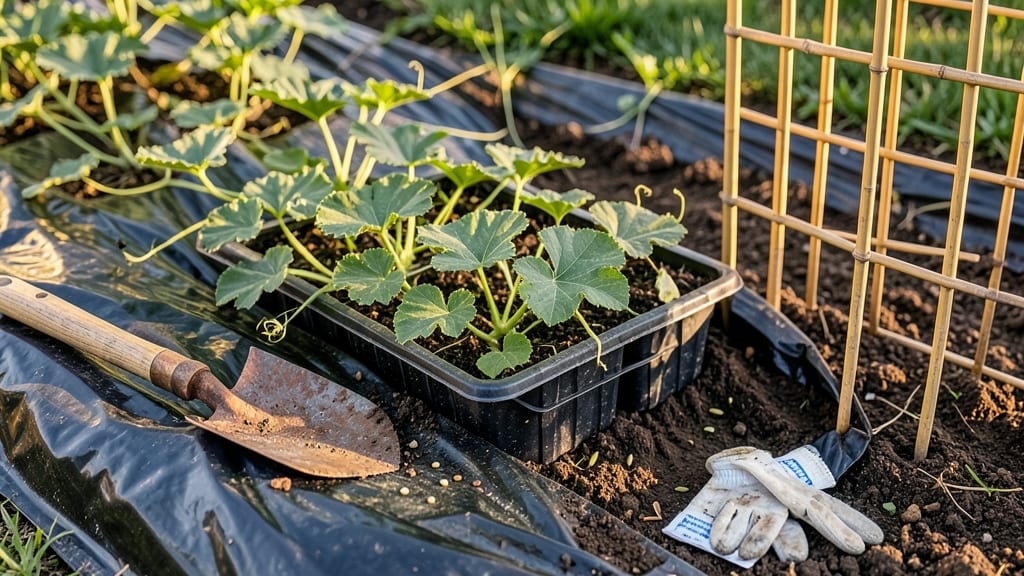
Planting cantaloupe in Georgia requires timing it right with soil warmth and frost-free windows—typically mid-April to early May when temperatures hit 60-65°F.
Georgia’s humid summers and unpredictable spring weather can make or break your cantaloupe harvest 🍈. Planting at the wrong time means wilted vines or bitter fruit, while getting it just right turns your patch into a sweet, juicy goldmine.
Unlike calendar-based advice, the key is soil temperature—not just dates. In USDA zones 7b-8b, waiting for the ground to warm ensures strong root growth and faster fruit set.
Below, I’ll break down how to read your soil’s signals, adjust for Georgia’s regional microclimates, and choose the best cantaloupe varieties for your patch.
Georgia’s ideal cantaloupe planting window by soil temperature (not calendar dates)
Forget memorizing calendar dates—your cantaloupe’s success hinges on soil temperature, not just the month. In Georgia, cantaloupes need consistent soil temps of 60–65°F to germinate, while ideal growth occurs at 70–90°F. Rushing too early risks frost damage, while waiting too long shrinks your harvest window.
The key? Test your soil before planting, because Georgia’s USDA zones 7b–8b can hide cold pockets even in May.
Most planting guides suggest waiting until after the last frost date, but that’s misleading in Georgia. A late April frost in the Appalachian foothills can wipe out seedlings, while coastal areas like Savannah may already be too hot by early May.
The real trigger? Soil thermometers—not almanacs. Cantaloupe seeds won’t sprout below 50°F, and vines struggle to establish below 60°F, even if air temps feel warm.
Here’s the catch: Black plastic mulch can raise soil temps by 10–15°F, letting you plant 2–3 weeks earlier in cooler microclimates. But in heat islands like Atlanta, late plantings risk bolting (premature flowering) or fruit sunburn.
Balance is everything—soil warmth accelerates growth but also attracts pests like cucumber beetles, which thrive in 75°F+ soil.
🌱 Comparison Table: Early vs. Late Planting Trade-offs in Georgia
To test soil temperature accurately, bury a soil thermometer 2 inches deep (seed depth) and check readings at 10 AM for consistency. Aim for 60°F+ for 3–5 days before planting—this ensures uniform germination.
In urban Atlanta gardens, pavement radiates heat, so soil may hit 70°F by late April, while rural areas lag until May. Use a minimum-maximum thermometer to track daily swings; cantaloupes hate temperature fluctuations over 20°F.
Pro tip: Direct-sow seeds in Georgia—cantaloupes hate transplant shock. Start seeds in biodegradable pots if you’re in a short-season zone (7b), but most gardeners skip this step.
Instead, plant seeds 1 inch deep, 12 inches apart, and use row covers for the first 2 weeks to protect from cucumber beetles, which emerge when soil hits 65°F.
Watch for false springs—Georgia’s March warm spells can fool you into planting early. If night temps dip below 50°F, seedlings will stunt or die. Use frost blankets if needed, but prioritize soil warmth over air temps.
In Zone 8b (Savannah), you can plant as early as mid-March under black plastic, while Zone 7b (Dahlonega) should wait until late April.
Once planted, mulch heavily with straw or grass clippings to lock in heat and suppress weeds. Cantaloupes need consistent moisture but hate soggy roots, so water deeply every 2–3 days—more often in Atlanta’s clay soil, which dries faster.
If your soil stays below 60°F for over a week, delay planting or use heat mats for containers.
Timing isn’t just about dates—it’s about reading your soil. In Georgia, soil temperature trumps the calendar,
Microclimate hacks: adjusting planting time for Georgia’s urban, coastal, and mountain regions
Georgia’s diverse landscapes—from Atlanta’s urban heat islands to Savannah’s salty coastal breezes and the Appalachian foothills—create microclimates that shift cantaloupe planting windows by 3+ weeks. What works in Athens (warmer microclimate) may fail in Macon (cooler nights), while coastal areas need earlier starts to escape humidity stress.
These regional differences mean you can’t rely on a one-size-fits-all last frost date. Instead, adjust your schedule based on local heat patterns, wind exposure, and soil warming trends.
For example, mountain regions like Blue Ridge may need to wait until mid-May, while Savannah’s coastal warmth allows early April starts with wind protection.
Below, I’ve mapped out the planting adjustments for Georgia’s key regions, plus windbreak strategies to protect exposed vines. Use this as your cheat sheet to avoid bitter fruit or stunted growth from mismatched timing.
| Region | Ideal Planting Window | Adjustment from State Avg | Windbreak Needs | Soil Prep Tip |
|---|---|---|---|---|
| Atlanta/Urban Heat Islands | Late April to early May | Plant 1 week earlier than Macon | Tall fences or trellises for heat reflection | Use black plastic mulch to warm soil faster |
| Savannah/Coastal | Early April (with windbreaks) | Plant 3 weeks earlier than Athens | Bamboo screens or living hedges (e.g., rosemary) | Amend soil with sand for drainage |
| Athens/Coastal Plain | Mid-April | Standard state average | Low wind? Skip—just mulch heavily | Add compost for fertility |
| Macon/Piedmont | Early to mid-May | Plant 2 weeks later than Athens | Temporary row covers for cool nights | Test soil pH (6.0-6.8) |
| Blue Ridge Mountains | Mid-May to early June | Plant 4+ weeks later than Savannah | Rock barriers to block cold air | Use cold frames for early starts |
For exposed areas—like rooftop gardens in Atlanta or coastal plots in Savannah—add a windbreak to shield vines. A simple bamboo fence or living hedge (like rosemary or privet) can reduce wind damage by 50%.
In mountain regions, prioritize south-facing slopes to capture warmth and avoid late frosts.
Pro tip: Monitor soil temperature daily with a soil thermometer—aim for 70°F+ before planting. In coastal areas, this may happen by early April, while mountain zones might not reach it until June. Adjust your schedule accordingly to avoid slow germination or root rot from cold soil.
By tailoring your planting time to your local microclimate, you’ll maximize your cantaloupe’s sweetness and yield—no more bitter surprises! 🌱