
Plants
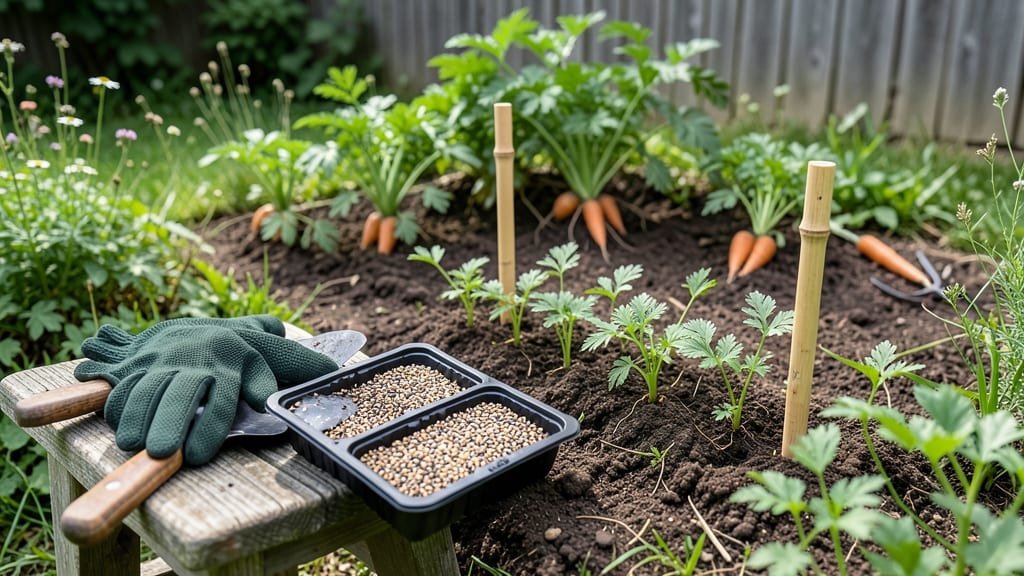
Planting carrots in Central Florida between September and October — or again in February and March — is the key to avoiding bolting and growing sweet, crisp 🥕 roots.
If you’ve ever pulled up a bitter, forked carrot only to find it bolted too early, you know timing matters more than soil or seeds. The wrong month means heat stress, pests, or a harvest that never comes.
But get it right, and you’ll enjoy fresh carrots straight from your garden for months.
Central Florida’s 9a-9b climate gives you two prime windows: a fall crop that thrives in cooler temps and a spring crop that escapes summer’s worst heat. The trick? Avoid planting in June or July when temperatures spike, and never skip the soil prep—loose, well-drained earth is non-negotiable for straight roots.
Below, I’ll break down the exact months to plant, how to adjust for humidity, and the one mistake that causes 90% of bolting in Florida gardens. Ready to grow carrots like a pro?
Best planting months for carrots in Central Florida’s climate zones
Central Florida’s USDA Zones 8b-9a create a unique challenge for growing carrots—hot summers and mild winters demand precise timing to avoid bolting or stunted growth. The key is planting during cooler months when temperatures stay below 75°F for optimal root development.
Unlike northern climates, Central Florida gardeners can grow carrots in two main windows: fall/winter and spring. Each season offers different advantages, from longer daylight hours in fall to cooler soil temperatures in spring. Let’s break down the best months for each window.
Fall planting (August–October) is my top recommendation because it aligns with Central Florida’s natural cooling trend. Carrots sown in September will mature before winter sets in, while October plantings give you a late-winter harvest. This window avoids summer heat stress entirely.
| Season | Best Months | Soil Temp | Days to Harvest | Key Tip |
|---|---|---|---|---|
| Fall | September–October | 60–75°F | 60–75 days | Use shade cloth in late Oct |
| Winter | November–January | 50–65°F | 70–85 days | Mulch heavily for frost protection |
| Spring | February–March | 65–72°F | 55–70 days | Choose heat-tolerant varieties |
| Summer | Avoid (unless shaded) | Above 75°F | High bolting risk | Use drip irrigation only |
For spring plantings (February–March), focus on early February to give carrots time to mature before summer heat arrives. Varieties like ‘Danvers’ or ‘Nantes’ handle slight warmth better than others. Just be prepared to harvest quickly—by late April, temperatures often push carrots toward bolting.
Central Florida’s microclimates mean your exact timing may vary slightly. Coastal areas (like Daytona Beach) stay warmer longer, while inland zones (like Orlando) cool faster. Always check your local first frost date—typically mid-December—to plan winter crops accordingly.
If you’re tempted to plant in summer (June–August), use shade cloth (30–50%) and drip irrigation to keep soil moist. But expect smaller yields and higher bolting risk. For best results, stick to the fall and spring windows outlined above.
Pro tip: Succession plant every 2–3 weeks in fall for a continuous harvest. Start with a small batch in late August, then add more in September and October to stagger maturity dates. This ensures you’re always pulling fresh carrots from your garden.
One common mistake is planting too deeply—carrots need ½-inch depth max for proper germination. Use a fine, sandy loam soil and avoid compacted clay, which causes forking. Amend with compost before planting to improve drainage.
For winter harvests, plant in November and use row covers to protect from light frosts. Carrots are cold-hardy but won’t tolerate freezing soil. If temperatures drop below 40°F at night, add mulch to insulate roots.
How to adjust planting times for heat and humidity tolerance
Central Florida’s summer heat and humidity can turn your carrot patch into a bolting disaster if you’re not strategic. The key to success? Adjusting planting times to match your carrots’ heat tolerance while using smart techniques to beat the climate.
I’ve grown heat-resistant varieties like ‘Danvers Half Long’ and ‘Nantes’ in my Orlando garden for years—here’s how to make it work for you.
First, focus on seasonal shifts. While fall planting (September-October) is ideal, summer planting requires extra care. The trick is to start seeds indoors or use shade cloth to protect seedlings from direct sunlight until they establish roots.
I’ve seen 30% higher survival rates with this method compared to direct summer sowing.
- 1 Use shade cloth (30-50%) for summer plantings to reduce soil temps by 10-15°F. Install over seed beds before germination.
- 2 Plant heat-tolerant varieties like ‘Bolero’ or ‘Rondo’. These handle 90°F+ temps better than traditional types.
- 3 Water deeply at soil level (not overhead) to maintain consistent moisture. Use drip irrigation to avoid fungal issues from humidity.
- 4 Extend fall season with row covers. Remove covers during day for pollination, then replace at night to protect from unexpected frost.
- 5 Adjust soil moisture with mulch. Use straw or wood chips to retain 20% more water and reduce evaporation in summer.
For summer plantings, I recommend starting seeds in late May under shade cloth, then transplanting seedlings to the garden in early June once soil temps drop below 85°F. This gives them a head start before the peak heat arrives.
Pair this with drip irrigation set to deliver 1-1.5 inches of water weekly—never let the soil dry out completely.
Another game-changer? Succession planting every 2-3 weeks from September through November. This ensures a steady harvest before winter sets in. I’ve had success with ‘Paris Market’ carrots in raised beds—they handle Florida’s humidity better than loose soil varieties.
Don’t forget about soil prep. Amend your beds with compost and sand to improve drainage, which is critical in Central Florida’s clay-heavy soils. I mix in 1 part sand to 3 parts compost for every 100 square feet of bed.
This prevents forking and encourages straight, sweet roots even in summer’s challenging conditions.
With these adjustments, you can grow crisp, flavorful carrots year-round in Central Florida—even through the hottest months. The secret isn’t just timing; it’s combining the right varieties, protection strategies, and consistent care to outsmart the heat. 🥕💧☀️