
Companion Plants
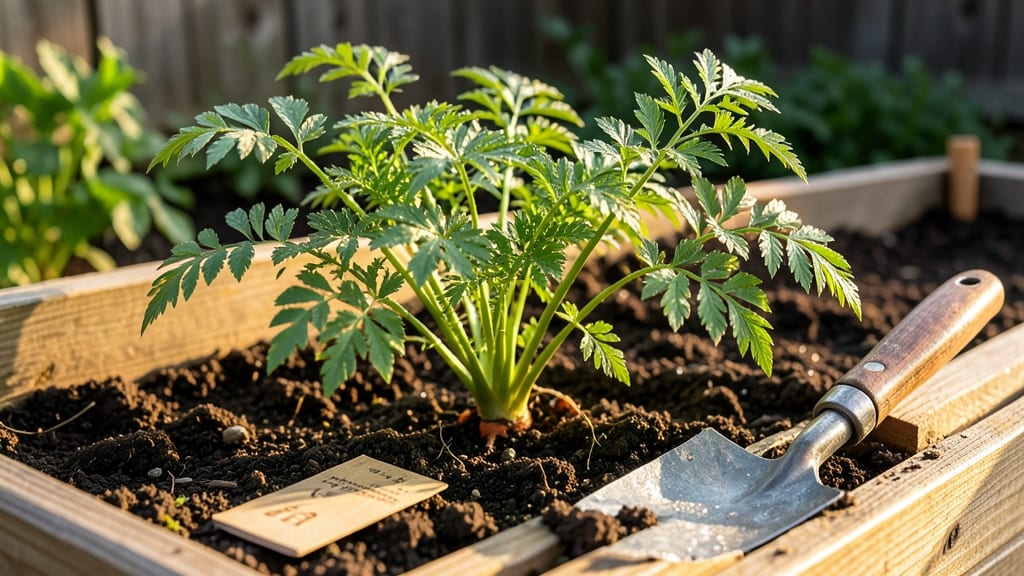
Planting carrots in North Carolina at the right time means the difference between fast germination and wasted seeds—aim for soil temperatures between 50°F and 65°F for the best start.
Carrot seeds in North Carolina need precise timing to break through stubborn soil and avoid bolting—plant too early or late, and you risk poor germination or bitter roots. Mastering the soil temperature triggers can mean the difference between a bountiful harvest and wasted effort.
In USDA zones 7a-8b, your best windows are late March to early April for spring planting and July to early August for fall. These timing adjustments align with North Carolina’s climate and ensure your 🥕 seeds germinate quickly in the right conditions.
Below, I’ll walk you through how to test soil temperature, the best carrot varieties for NC’s heat, and the exact planting schedule to maximize your yield—no guesswork, just results.
North Carolina carrot planting calendar by soil temperature zones
North Carolina's diverse climate zones—6a through 8a—create unique challenges for carrot growers. The key to success lies in understanding soil temperature triggers (typically 50-65°F) that signal when seeds will germinate reliably.
Plant too early, and cold soil stalls growth; too late, and summer heat causes bolting. Let’s break down the perfect planting windows for each zone.
Spring planting begins when soil warms to 50°F consistently, usually late February to early April in most of NC. Fall planting, however, requires cooler soil (65°F or below) to prevent bolting, typically mid-July to early August.
These windows ensure your carrots grow steadily without stress from extreme temperatures.
Here’s how to align your planting with NC’s climate zones and soil conditions:
| USDA Zone | Spring Planting Window | Soil Temp Threshold | Fall Planting Window | Key Notes |
|---|---|---|---|---|
| 6a | Late March - Early April | 50-55°F | Mid-July - Late July | Coldest zone; use row covers for early spring. |
| 7a | Early March - Mid-April | 50-58°F | Late July - Early August | Ideal for slow-bolting varieties like 'Chantenay'. |
| 7b | Mid-February - Early April | 52-60°F | Early July - Mid-August | Longer growing season; can plant twice. |
| 8a | Late February - Early March | 55-62°F | Late June - Early July | Warmest zone; prioritize shade cloth for summer. |
| 8b | Early February - Late March | 58-65°F | Mid-June - Late June | Fastest germination; use quick-sprouting seeds. |
For Zone 6a, where winters linger, start seeds indoors in late January to transplant after the last frost (mid-March). In Zones 7a-8b, direct sowing works best once soil reaches 50°F, as these areas warm faster.
Fall planting in Zone 8b should happen by mid-June to avoid summer heat stress.
Adjust your planting schedule if you experience unusually cold springs or early heatwaves. For example, if soil stays below 50°F past early April, wait until late April or opt for cold-hardy varieties like 'Nantes'.
In Zone 8a, summer heat can cause bolting, so prioritize shade cloth or succession planting every 2-3 weeks.
Succession planting is critical in NC’s climate. After your first harvest in May-June, sow a second crop in late June for a fall harvest. This works especially well in Zones 7b and 8a, where the growing season extends into October-November.
Space seeds 1 inch apart and thin to 3 inches once sprouts reach 2 inches tall.
One common mistake is planting carrots when soil is too warm (>65°F), which triggers bolting. Use a soil thermometer to check temperatures before planting. If your soil is too cold, cover seeds with black plastic mulch to warm the soil faster.
In Zone 6a, this can add 2-3 weeks to your planting window.
For container gardening in NC, use deep pots (12+ inches) and plant in late March for spring or mid-July for fall. Containers warm up faster, so monitor soil temps closely. In Zone 8b, you can even squeeze in a winter crop by planting in September and harvesting before frost.
Pro tip: Mark your calendar for 4-6 weeks
How to test soil temperature for carrot success (with DIY tools)
Carrot seeds in North Carolina need consistent soil temperatures between 50°F and 65°F to germinate properly. Too cold, and they’ll rot; too hot, and they’ll bolt or fail to sprout.
Testing your soil temperature before planting ensures you time it right for fast germination and straight roots—no more wasted seed packets or forked harvests.
While a soil thermometer is the gold standard, you can also use household substitutes like an old thermometer or even a DIY setup with a thermometer and a bottle. The key is accuracy—soil temperature fluctuates less than air temperature, and carrots are sensitive to these shifts.
I’ll walk you through both methods so you can pick what works best for your garden.
- 1 Choose your tool: Use a soil thermometer (best) or a household thermometer (like a candy or meat thermometer) with a DIY setup.
- 2 DIY setup: If using a household thermometer, insert it into a plastic bottle (like a soda bottle) with the tip exposed. Bury it 1 inch deep in moist soil—this mimics carrot seed depth.
- 3 Test timing: Check temperatures morning and evening for 2-3 days. Soil warms up slower than air, so mid-morning readings (10 AM) are most reliable for planting decisions.
- 4 Ideal range: Aim for 50°F–65°F for planting. Below 50°F, seeds rot; above 65°F, they may bolt or fail to germinate. In North Carolina, this usually aligns with late March–early April for spring and July–early August for fall.
- 5 Adjust for microclimates: Shady spots stay cooler; sunny areas warm up faster. Test multiple locations if your garden has varied conditions. Mulch can also help regulate soil temperature.
Once you’ve confirmed your soil is in the 50°F–65°F range, it’s time to plant. Carrots germinate best in consistently moist soil, so water lightly before sowing and keep the bed evenly moist until seeds sprout (usually 10–21 days, depending on variety). Avoid overwatering—soggy soil can cause rot.
If you’re planting in North Carolina’s heat (like summer or late fall), opt for shorter-day varieties or use shade cloth to keep soil temperatures stable.
I’ve had the best luck with ‘Danvers Half Long’ in spring and ‘Nantes’ in fall—both tolerate NC’s climate well when planted at the right soil temps.
Remember, soil temperature is more critical than air temperature for carrots. Don’t rush—waiting a few extra days for the perfect conditions will pay off with straight, sweet roots instead of bitter or stunted ones. Happy planting! 🥕