
Plants
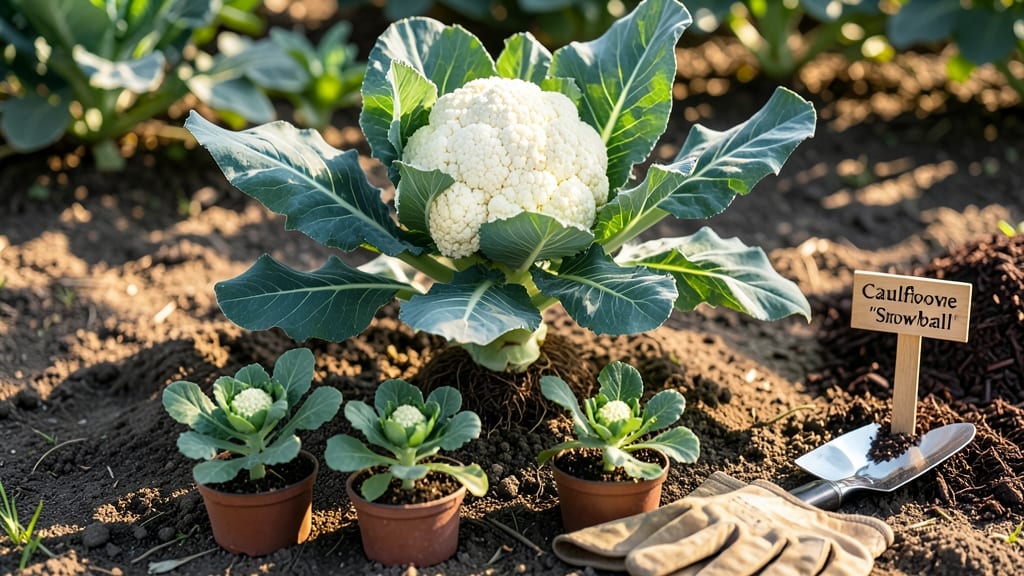
Planting cauliflower in North Carolina means timing it just right to avoid frost damage or summer heat stress — and the window is narrower than you might think.
North Carolina’s mild winters and hot summers create the perfect conditions for growing 🥬 cauliflower—but timing is everything. Plant too early, and frost ruins your crop; too late, and summer heat stunts growth. Here’s your exact planting calendar based on NC’s frost dates and microclimates.
Spring plantings should start 4-6 weeks before your last frost (typically late February to early March), while fall plantings need to go in 100-120 days before the first frost (usually July to early August).
Early varieties like Snowball Y Improved handle cooler temps better, while late varieties like Purple of Sicily can stretch into warmer seasons.
Below, I break down the best planting times by region, soil prep tips, and how to protect your 🥬 cauliflower from NC’s unpredictable weather shifts—so you can go from seed to harvest without the guesswork.
NC cauliflower planting calendar: exact frost dates by region
North Carolina’s diverse climate means cauliflower planting times vary dramatically from the cooler coastal regions to the warmer Piedmont and mountains. Getting the timing right ensures your Snowball Y Improved or Purple of Sicily heads form properly without bolting or frost damage.
Let’s break down the optimal planting windows for each NC region using exact frost dates.
Cauliflower thrives in cool-season conditions (50–70°F) and struggles when temperatures exceed 80°F for more than a few days. This cool-loving crop needs precise timing to avoid late-spring heat stress or fall frost.
Below, I’ve mapped out the ideal planting windows for Eastern, Piedmont, and Western NC, including last frost dates and heat tolerance thresholds.
🌱 Pro Tip: For best results, plant 4–6 weeks before your last frost date for spring harvests and 100–120 days before your first frost for fall harvests. This gives cauliflower enough time to mature before extreme temperatures arrive.
In Eastern NC, where winters are milder and summers humid, you can start cauliflower seeds indoors as early as January for transplanting in mid-February. This region’s longer growing season allows for a second fall crop if you plant by mid-July.
However, avoid planting after August 15, as hurricane season can disrupt growth.
For the Piedmont region, including cities like Raleigh and Greensboro, aim to plant outdoor seeds directly in early March or start indoor seedlings in February.
The Purple of Sicily variety handles slightly warmer temperatures better than Snowball Y Improved, making it a great choice for late spring plantings. Fall plantings should begin by July 1 to ensure harvest before frost.
Western NC’s higher elevations (like Asheville and Boone) have cooler temperatures and a shorter growing season. Start indoor seeds in late February and transplant outdoors by April 1 for a spring crop.
For fall, plant directly outdoors in June to avoid summer heat stress. This region’s shorter frost-free period means you’ll need fast-maturing varieties like Graffiti (70 days to harvest).
If you’re growing cauliflower in containers or raised beds, adjust your planting window by 1–2 weeks earlier in spring and 1–2 weeks later in fall. Containers heat up faster, so shade cloth may be needed during late-spring heat waves, which are common in NC’s Piedmont and Coastal Plain regions.
Always monitor your local weather forecasts and adjust planting dates if unseasonable
How to adjust planting times for early vs late varieties in NC
North Carolina’s spring heat and fall chill demand careful timing for cauliflower varieties. Early varieties like Snowball Y Improved (50–60 days to maturity) bolt quickly in warm weather, while late varieties like Graffiti (80–90 days) need cooler conditions. Matching your variety to NC’s microclimates ensures a successful harvest.
Use head maturity dates as your guide—subtract these from your first frost date (avg. Nov. 15) to calculate ideal transplant windows. For example, a 60-day variety should be planted by July 15 for a fall harvest, while 90-day varieties need a Sept. 15 start.
| Variety | Maturity Days | Spring Planting Window | Fall Planting Window | Heat Tolerance |
|---|---|---|---|---|
| Snowball Y Improved | 50–60 | Feb 15–March 15 | July 1–July 15 | Low |
| Golden Ace | 60–70 | March 1–March 31 | July 15–Aug 1 | Medium |
| Graffiti | 80–90 | April 1–April 15 | Aug 15–Sept 1 | High |
For Eastern NC’s cooler climate, extend spring planting by 2 weeks to avoid early bolting. In the Piedmont region, prioritize shade cloth for late-spring plantings to protect heads from 85°F+ temperatures. Western NC’s warmer microclimates allow late August starts for fall crops.
Adjust for NC’s unpredictable spring by using row covers to delay bolting. If temperatures rise above 75°F during head formation, provide afternoon shade. For fall plantings, aim for seedlings to mature before first frost—late varieties like Graffiti can handle cooler temps but need 100+ frost-free days.
Pro tip: Start early varieties indoors 4–6 weeks before transplanting to jumpstart growth. Use cool-season fertilizers (5-10-10) at transplanting and again when heads form. Monitor soil temps—cauliflower thrives in 60–70°F ranges.
By aligning your variety choice with NC’s seasonal shifts, you’ll avoid wasted effort and enjoy firm, flavorful heads from spring through fall. 🌱