
How To
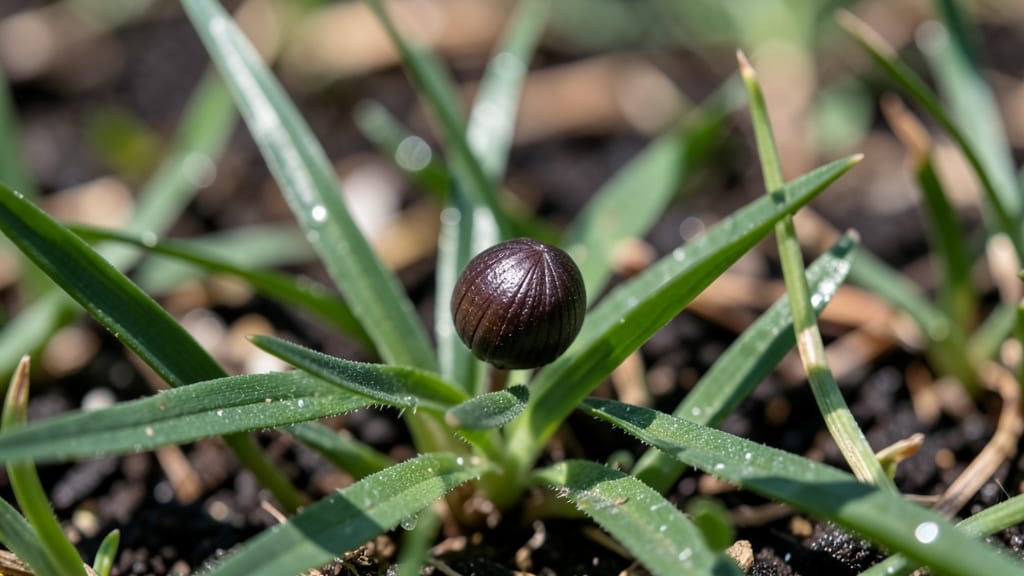
Planting centipedegrass seed in Georgia at the right time means the difference between a thick, green lawn and a patchy, struggling one.
Georgia’s humid climate and long growing season make centipedegrass a favorite for lawns—but planting at the wrong time can mean weak growth or pest problems. Timing your seed drop perfectly ensures a lush, low-maintenance lawn that thrives year-round.
For most of the state, the ideal window is late spring—April to May—once the soil warms to 65°F and the last frost has passed. But regional differences matter: North Georgia’s cooler microclimates may need a slightly later start, while South Georgia’s heat can push the window earlier.
Below, I’ll break down the exact frost dates by zone, soil prep steps, and how to adjust for Georgia’s unpredictable rain and pest peaks—so you can plant with confidence and avoid common mistakes.
Best planting windows for centipede grass seed in Georgia (by region & frost dates)
Georgia’s humid subtropical climate creates perfect conditions for centipede grass, but timing your seed planting is critical. The state spans USDA Zones 7b-8a, meaning frost dates and summer heat vary dramatically between North and South Georgia.
Plant too early, and seedlings may rot from cool soil; too late, and summer heat stress can stifle germination.
For optimal growth, focus on late spring planting when soil temperatures consistently reach 65°F+. However, Georgia’s regional microclimates mean North Georgia gardeners should wait longer than their South Georgia counterparts.
Let’s break down the best planting windows by region, including average frost dates and heat tolerance tips to maximize your lawn’s success.
🌱
| Region | USDA Zone | Avg Last Frost | Avg First Frost | Ideal Planting Window | Backup Window | Soil Temp Goal | Key Risk |
|---|---|---|---|---|---|---|---|
| North Georgia (Athens, Dalton) | 7b | March 20 | November 5 | May 1–June 15 | Late April (if soil warms early) | 65–75°F | Cool soil delays germination |
| Central Georgia (Macon, Columbus) | 8a | March 10 | November 15 | April 15–May 30 | Early June (if drought-free) | 65–75°F | Summer heat stress |
| South Georgia (Savannah, Valdosta) | 8a | February 28 | November 20 | March 15–April 30 | Late May (with shade cloth) | 65–80°F | Chinch bug outbreaks |
North Georgia’s cooler springs often delay planting until May or June, but this region benefits from longer daylight hours in summer, which centipede grass loves. Central Georgia strikes a balance, with April–May offering the sweet spot between warm soil and manageable heat.
Meanwhile, South Georgia can plant as early as mid-March, but watch for chinch bugs, which thrive in warm, moist conditions.
If you miss the ideal window, don’t panic—fall planting is possible in South Georgia (September–October) but risky in North Georgia due to earlier frosts. For fall plantings, aim for 6–8 weeks before first frost and use shade cloth if daytime temps exceed 85°F.
🌡️
Pro tip: Use a soil thermometer to confirm 65°F+ soil temps before planting. Centipede grass seed won’t germinate below 60°F, and consistent moisture is critical during the first 30 days.
In North Georgia, consider starter fertilizer to compensate for slower spring growth, while South Georgia gardeners should prioritize chinch bug monitoring after planting.
Remember, centipede grass is heat-tolerant once established but hates competition. Remove weeds before planting and keep the soil moist but not soggy until germination. With the right timing, you’ll have a thick, drought-resistant lawn in just 6–8 weeks.
☀️
Soil preparation checklist for centipede grass seed: Georgia-specific tips
Georgia’s soil can be tricky for centipede grass—too much clay in the north, sandy loam in the south, and a natural tendency toward alkaline pH. Without proper prep, your seed may struggle to germinate or grow patchy.
The key is creating a well-draining, acidic environment (pH 5.0–5.5) with enough organic matter to hold moisture while preventing compaction.
Start by testing your soil’s pH using a home test kit or send a sample to your local University of Georgia Extension office. Most Georgia soils run 6.5–7.5, which is too high for centipede grass.
If your reading is above 6.0, you’ll need to lower the pH with sulfur or peat moss before planting.
🌱 Georgia-Specific Soil Prep Timeline
When to Plant Centipede Seed in Georgia:
- 📅 Late March–April: North Georgia (USDA Zone 7b)
- 📅 Early April–May: Central/South Georgia (USDA Zone 8a)
- ⚠️ Avoid June–August: Heat stress halts germination
- ✅ Soil temp ≥65°F: Critical for seed activation
Pro Tip: Use a soil thermometer to confirm readiness—centipede seed won’t sprout below 60°F.
For clay-heavy soils common in North Georgia, mix in 3–4 inches of compost or sand to improve drainage. Work it into the top 6 inches of soil using a garden fork or tiller.
If your soil is sandy (like in South Georgia), amend with 2–3 inches of peat moss or well-rotted manure to boost water retention and nutrients.
Before planting, apply a balanced starter fertilizer (10-10-10 or 16-4-8) at a rate of 1 pound per 100 square feet. Focus on phosphorus to encourage root development. Spread it evenly, then lightly rake it into the top ¼ inch of soil.
This step is crucial for weak seedling establishment, especially in Georgia’s competitive weed environment.
Finally, level your soil with a rake to create a smooth, seed-friendly surface. Centipede grass seed is tiny, so aim for a fine texture—no clumps or depressions.
Lightly press the soil with a lawn roller to ensure good seed-to-soil contact, which improves germination rates by up to 30%.
After planting, keep the soil consistently moist (not soggy) for the first 4–6 weeks. Use a light mulch (like straw) to retain moisture and suppress weeds—critical in Georgia’s humid climate where fungal diseases thrive.
With these steps, your centipede grass will establish a dense, drought-tolerant lawn in just 6–8 weeks. 🌱