
Plants
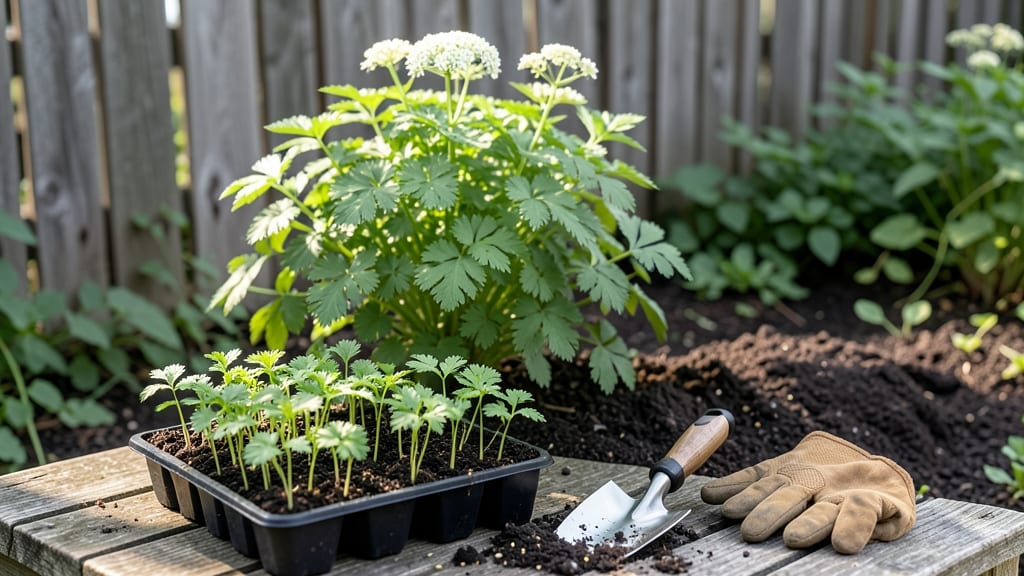
Plant cilantro in Southern California during September-October or February-March to avoid the heat that makes it bolt before you can harvest.
Southern California’s diverse microclimates—from coastal chill to inland heat—can make or break your cilantro harvest. Plant at the wrong time, and you’ll end up with bitter leaves or bolting plants before you even use them.
Coastal areas like LA and San Diego have milder winters, while inland zones like Riverside face hotter summers. The key is timing: cilantro thrives in cooler weather, so fall and early spring are your best bets.
Below, I’ll break down the exact planting windows for your region, how to prevent bolting, and even how to grow cilantro year-round with shade tricks and succession planting.
Best planting times for cilantro in Southern California’s coastal vs inland zones
Southern California’s coastal regions like Los Angeles and San Diego enjoy milder winters with rare frost, while inland areas such as Riverside and Palm Springs can experience hotter summers and occasional light frost in winter.
These differences drastically impact when to plant cilantro for the best harvest. In coastal zones, you can start as early as late summer, while inland gardeners should wait until fall to avoid bolting.
Cilantro thrives in cool soil temperatures between 50–75°F. Coastal areas hit this sweet spot from September through November, while inland regions should aim for October to December.
Planting outside these windows risks bitter leaves or premature flowering. Let’s break down the best planting times for each microclimate to maximize your cilantro yield.
| Factor | Coastal (LA, San Diego) | Inland (Riverside, Palm Springs) |
|---|---|---|
| Best Planting Window | Late August – October | Early October – December |
| Soil Temperature | 55–70°F (ideal) | 50–65°F (cooler needed) |
| Frost Risk | None (frost-free) | Possible light frost (Dec–Jan) |
| Summer Planting? | Yes (with shade cloth) | No (too hot) |
| Harvest Window | October – December | November – January |
| Key Tip | Use shade cloth for summer | Plant near water source |
For coastal gardeners, late August is your first opportunity to sow cilantro seeds directly into the garden. The Pacific Ocean breeze keeps temperatures moderate, allowing you to extend harvests into December. If you miss this window, wait until February for a second planting cycle.
Coastal areas benefit from longer growing seasons, so you can even try a spring planting in March if you provide afternoon shade.
Inland regions face higher summer temperatures, which cause cilantro to bolt quickly. Wait until early October when daytime highs drop below 80°F. Inland gardeners should also be mindful of occasional frost in December or January.
Use row covers or move potted cilantro indoors if frost is forecasted. The key is to plant when soil temps stay below 75°F—this prevents the bitter taste and early flowering that ruin harvests.
Both coastal and inland zones can experience bolting if cilantro senses heat or drought stress. To avoid this, mulch heavily with straw or wood chips to keep roots cool. In coastal areas, drip irrigation helps maintain even moisture, while inland gardeners may need to water twice daily during heatwaves.
Consistency is critical—cilantro hates dry soil but also waterlogged roots.
If you’re growing cilantro in containers, coastal gardeners can start seeds indoors in July and transplant outdoors in August. Inland growers should wait until September to avoid heat stress.
Containers dry out faster, so check moisture daily and fertilize lightly with a balanced organic fertilizer (like 5-10-10) every 4–6 weeks during active growth. This keeps your cilantro lush and flavorful.
One pro tip for both regions: succession planting every 2–3 weeks ensures a continuous supply. In coastal areas, sow new seeds in February for a spring harvest, while inland gardeners can try January plantings under protective covers.
This strategy works especially well for small-space gardeners using raised beds or vertical planters.
Remember, cilantro is a cool-season crop that detests heat. Even in frost-free coastal zones, summer planting requires shade cloth (30–50%) to block intense sun. Inland areas should avoid summer plantings entirely unless you’re using hydroponics or indoor grow lights.
With the right timing, you’ll enjoy fresh cilantro year-round in Southern California—just adapt your schedule to your local microclimate.
For reference, USDA Zone 9b–10a covers most of SoCal, but elevation plays a role too. Areas like Altadena or Big Bear may experience cooler nights, allowing slightly earlier plantings. Always check your local frost dates (even if rare) and monitor soil temperature with a thermometer for best results. Happy planting!
How to extend your cilantro harvest year-round in SoCal’s climate
Cilantro thrives in Southern California’s cool seasons, but the key to a year-round harvest lies in smart planning. While coastal areas like San Diego enjoy mild winters, inland spots like Riverside face brutal summer heat that forces cilantro into dormancy.
The trick? Use succession planting and shade solutions to keep your plants happy between seasons.
Start by understanding your microclimate. Coastal gardens can grow cilantro almost year-round, while inland areas need to focus on fall and winter plantings with protective measures for summer. Even in ideal conditions, cilantro bolts when stressed—so timing and care are everything for that fresh, bright green flavor you crave.
- Plant coastal cilantro in early fall (September) and late winter (February) for two harvests before summer heat arrives.
- Use shade cloth (30-50%) in summer months to protect cilantro from bolting when temperatures exceed 75°F.
- For inland gardens, sow seeds August-September for a fall harvest, then again in January-February for spring.
- Try container gardening with 5-gallon pots—move them to shaded patios in summer or sunny spots in winter for flexibility.
- Use succession planting every 2-3 weeks in ideal months to ensure a continuous supply of fresh leaves.
- Harvest outer leaves first to encourage regrowth, and avoid cutting more than 1/3 of the plant at once.
- Mulch with straw or compost to retain moisture and keep soil temperatures stable, especially in hot inland areas.
Container gardening is my go-to solution for flexible cilantro growing. Fill 5-gallon pots with well-draining potting mix and plant seeds ¼ inch deep. Place containers in morning sun and move them to shade by 10 AM in summer.
This mimics the partial shade cilantro loves while protecting it from afternoon heat.
Don’t let summer heat kill your cilantro dreams! A 30-50% shade cloth can drop temperatures by 10-15°F, keeping plants cool enough to avoid bolting. Install it over garden beds or containers in June-July when temperatures rise above 75°F.
Pair this with daily morning watering to keep soil consistently moist but not soggy.
For a true year-round supply, combine these strategies: Plant coastal cilantro in fall and winter, use containers for summer flexibility, and always harvest leaves regularly to encourage bushier growth. With this approach, you’ll enjoy fresh cilantro in salsas, soups, and salads no matter the season.
Pro tip: Save seeds from your healthiest plants! Let some cilantro bolt and flower, then collect seeds for next year’s organic cilantro. Store them in a cool, dry place for up to 3 years—because nothing beats the taste of homegrown cilantro straight from your garden. 🌿