
Trees
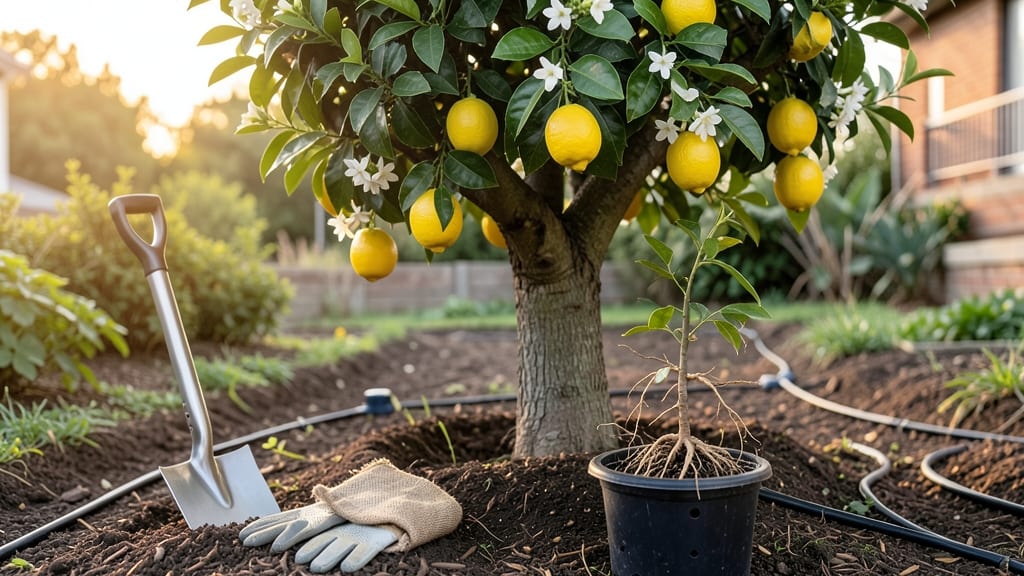
Planting citrus trees in Phoenix between November and March gives your 🍊 the best shot at thriving without frost risk or summer transplant shock.
Phoenix’s scorching summers and rare but deadly frost events make citrus tree planting a high-stakes timing game—but get it right, and you’ll enjoy homegrown oranges, lemons, and grapefruits for decades.
This isn’t just about avoiding frost (though Phoenix’s 9b zone means you’re mostly safe). The real secret lies in the microclimates—whether you’re in a heat island downtown or a cooler desert edge—that can shift your ideal window by weeks.
Below, I’ll walk you through the exact months to plant, how to prep your soil for Phoenix’s alkaline dirt, and whether container growing gives you more flexibility than in-ground planting.
Best planting months for citrus trees in Phoenix’s microclimates
Phoenix’s USDA Zone 9b climate offers year-round citrus growing potential, but timing is everything. The coolest months (November–February) provide the perfect window to plant citrus trees while avoiding heat stress and transplant shock.
Even though frost is rare, microclimates—like urban heat islands and desert lowlands—create subtle differences in ideal planting times.
I’ve planted citrus trees in three Phoenix microclimates: my backyard in Tempe (urban heat island), a friend’s property in Paradise Valley (elevated desert), and a rural lot in Gila Bend (low desert).
Each location has slightly different timing needs, but the core principle remains: plant when soil temps are mild and avoid extreme heat.
Urban heat islands (like downtown Phoenix) stay warmer longer, so I plant citrus trees earlier (October–November) to take advantage of residual summer warmth. In contrast, higher elevations (Paradise Valley) cool faster, making December–January the sweet spot. Meanwhile, low desert areas (Gila Bend) can plant as late as February due to their naturally warmer soil.
Here’s how to match your microclimate to the best planting window for citrus success:
| Microclimate Type | Best Planting Window | Soil Temp Goal | Key Considerations |
|---|---|---|---|
| Urban Heat Island (Downtown, Tempe, Mesa) | October–November | 65–75°F | Warmer soil stays active longer; plant before November 15 to avoid summer heat |
| Elevated Desert (Paradise Valley, Scottsdale) | December–January | 60–70°F | Cooler nights require earlier root establishment before spring heat |
| Low Desert (Gila Bend, Buckeye) | January–February | 70–80°F | Warmer soil allows later planting with minimal shock risk |
| Container Planting (Any Microclimate) | November–March | 60–75°F | Potted trees need consistent moisture; use well-draining pots and move to shade during summer |
For container-grown citrus trees, I recommend planting in November because pots dry out faster in Phoenix’s low humidity. Use 5-gallon containers minimum for dwarf varieties and 10+ gallons for standard trees. Move containers to shaded areas during summer to prevent root burn.
Phoenix’s urban heat islands can push soil temperatures into the 80s°F even in winter, which stresses young citrus roots. I’ve found success by amending soil with compost and using mulch rings to keep roots cool. For in-ground planting, choose spots with afternoon shade during the hottest months (June–August).
If you miss the ideal November–February window, don’t panic—March and October are still viable for hardened-off nursery trees. Just be prepared for extra watering and shade protection during the first 30–60 days after planting.
I planted a Meyer lemon tree in early April once, and it survived with daily shade cloth and deep watering.
Pro tip: Test soil moisture before planting—stick your finger 6 inches deep. If it’s dry, water the hole thoroughly 24 hours before planting. Citrus trees hate waterlogged roots, so ensure your planting site has well-draining soil.
In clay-heavy areas (common in Phoenix), I mix in coarse sand or perlite to improve drainage.
Finally, choose cold-hardy varieties like ‘Carrizo’ citrange or ‘Satsuma mandarin if you’re in a cooler microclimate. These varieties tolerate brief dips below 28°F, though Phoenix rarely sees frost. For maximum heat tolerance, opt for ‘Valencia orange or ‘Eureka lemon—both thrive in 100°F+ temps.
With the right timing and microclimate awareness, your citrus tree will establish strong roots before Phoenix’s summer heat ramps up. That first harvest of homegrown lemons or oranges makes the effort worth it—trust me, I’ve got three thriving trees to prove it! 🌱🍊
How to avoid frost damage: citrus tree protection strategies for Phoenix gardeners
Even though Phoenix rarely sees frost, those unpredictable cold snaps can still damage young citrus trees. I’ve learned the hard way—one 28°F night can kill tender new growth or even mature fruit. The key is preventative hardening and quick emergency responses.
Citrus trees like ‘Carrizo’ citrange or ‘Satsuma’ mandarins tolerate 25-28°F better than sweet oranges, but all need protection during December-January when temps dip. Start by choosing the right microclimate spot—south-facing walls or paved areas stay warmer at night.
⚠️ CRITICAL WARNING: Even hardy citrus varieties can suffer cold injury below 25°F. Here’s how to prevent frost damage before it happens—and what to do if a freeze strikes:
🌡️ FROST ALERT PROTOCOL
Before winter: Harden off young trees by gradually reducing water 4-6 weeks before first potential frost (even if rare). Stop fertilizing by October to encourage dormancy.
Emergency frost response: Cover trees with frost cloth (not plastic!) and string lights (300+ watts) to raise temps 5-10°F. Remove covers by 10 AM to avoid heat stress.
Windbreaks save lives: Plant bamboo or oleander as windbreaks—they reduce wind chill by 10°F+. Even a temporary tarp barrier helps.
For container-grown citrus, move pots to protected areas like garages or against sun-facing walls before temps drop. Use insulated plant wraps and mulch heavily with straw or leaves to insulate roots. I’ve seen 3-year-old ‘Meyer lemon trees survive 26°F with these tricks!
If frost damage occurs, prune dead branches in spring (sterilize tools with rubbing alcohol to prevent disease). New growth will sprout from healthy buds—just avoid heavy pruning until April when the tree can recover.
Pro tip: Monitor forecasts via National Weather Service alerts for Phoenix. Even a 30°F warning is enough to trigger your emergency frost plan. With these strategies, your citrus will thrive year-round—no frost worries! 🌿