
Companion Plants
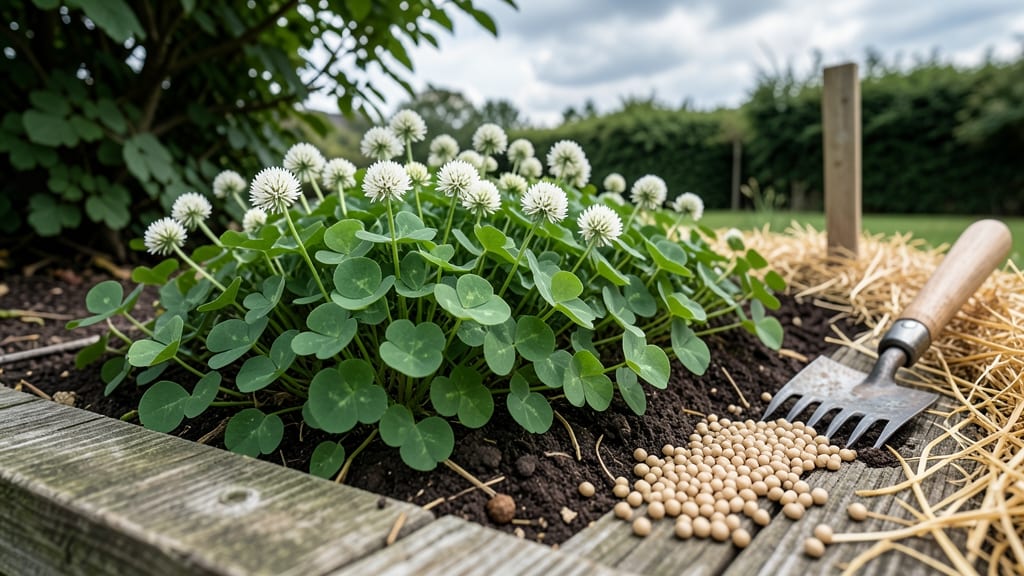
Planting clover in Kentucky at the right time can turn your lawn into a self-sustaining, nitrogen-rich green carpet—but get the timing wrong, and you’ll waste seeds and money.
If you’ve ever stared at a bare patch in May or a frost-killed seedling in November, you know how frustrating it is to miss the window.
The secret? Start seeds in early spring (March-April) or early fall (September-October), when soil temperatures hit 50°F and frost isn’t lurking around the corner.
Kentucky’s 6a-7a climate means two ideal planting seasons: spring, when the ground warms enough for germination, and fall, when clover establishes roots before winter. Dutch white clover thrives in lawns, while red clover works better as a cover crop—both love Kentucky’s mild winters and generous rainfall.
Below, I’ll walk you through the exact steps for soil prep, seed depth, and post-planting care to ensure your clover takes hold without the guesswork.
Optimal Kentucky clover planting months: cool-season timeline explained
Kentucky's cool-season climate (USDA zones 6a-7a) creates perfect conditions for clover growth, but timing your planting is critical. Unlike warm-season grasses, clover thrives when soil temperatures dip below 70°F (21°C), making early spring and fall the ideal windows.
Let's break down the exact months and regional considerations to ensure your clover establishes strong roots before Kentucky's harsh winters or summer heat sets in.
For Bluegrass Region gardeners (including Louisville and Lexington), the last frost date typically falls around mid-April, while Pennyrile and Western Kentucky areas may experience frost slightly later, around late April.
These dates mark your planting cutoff for spring, while fall planting should wrap up by early October to allow 6-8 weeks of root establishment before first frost hits.
Soil temperature is your most reliable indicator—wait until the ground warms to at least 50°F (10°C) in spring or cools to 70°F (21°C) in fall. In Kentucky, this usually translates to March-April for spring and September-October for fall, but always verify with your local Cooperative Extension Service for precise microclimate data.
| Planting Window | Ideal Months | Soil Temp (°F) | Regional Notes |
|---|---|---|---|
| Early Spring | March-April | 50-65°F (10-18°C) | Bluegrass: Late March; Western KY: Early April |
| Late Spring (Backup) | May (if early) | Above 65°F (18°C) | Risk of summer dormancy; water deeply |
| Early Fall | September-October | 70-60°F (21-15°C) | Best window; 6-8 weeks before frost |
| Late Fall (Risky) | November | Below 50°F (10°C) | Limited germination; protect with mulch |
Spring planting offers the advantage of longer daylight hours and warmer days, which accelerate clover's establishment. I recommend starting seeds indoors in late February if you're eager to get a jumpstart, then transplanting outdoors after the last frost.
For direct sowing, late March to early April works best in most of Kentucky, giving seedlings time to develop before summer heat arrives.
Fall planting, however, often yields healthier clover because cooler temperatures reduce stress on young plants. The 6-8 week window before your area's first frost (usually mid-October) allows roots to establish deeply.
In Western Kentucky's warmer microclimates, you might push planting to early November, but always monitor soil temperatures—they should stay above 40°F (4°C) for successful germination.
Kentucky's microclimates play a surprising role in timing. The Bluegrass Region (Lexington, Louisville) tends to have earlier frosts than Pennyrile (Paducah) or Western KY, which can delay planting by 1-2 weeks. Check local frost date maps from the UK Agricultural Weather Center to fine-tune your schedule.
For example, Dutch white clover (common for lawns) may need 2-3 weeks earlier than red clover (often used as a cover crop) due to its slower germination.
One common mistake I see is planting clover too early in spring when soils are still cold and wet. This leads to rot and poor germination. Always perform the finger test: Push your finger 2-3 inches into the soil—if it feels cool but workable (not icy), it's ready.
For fall, aim to finish planting by October 1st in Northern Kentucky or October 15th in Southern regions to avoid winter kill.
Pro tip: If you're establishing clover as a lawn alternative, overseed existing grass in late summer (August) for a two-phase transition. This gives clover a head start while the grass provides temporary shade.
Just remember to mow higher (3-4 inches) once clover emerges to protect the young plants from scalping.
Finally, consider your clover's end use—whether for lawn enhancement, soil improvement, or bee forage. White clover (like Dutch or Ladino) establishes faster in spring plantings, while red clover often performs better in
5 Critical factors that determine clover planting success in Kentucky
Planting clover in Kentucky isn't just about dropping seeds in the ground—it's about understanding your local conditions. The Bluegrass State has unique climate challenges, from humid summers to freezing winters, that directly impact when and how you should plant.
I've learned the hard way that ignoring these factors can mean the difference between a thriving clover lawn and a failed experiment.
Let me break down the five critical factors that determine success. These aren't just theoretical—they're lessons I've gathered from years of testing clover varieties across Kentucky's diverse regions.
Whether you're planting Dutch white clover for a soft lawn or red clover as a cover crop, these variables will make or break your results.
- Soil pH (6.0-7.0): Kentucky's limestone-rich soil often skews alkaline. I always test my soil first—clover thrives in neutral to slightly acidic conditions. Use sulfur or peat moss to adjust if needed.
- Rainfall Patterns: Kentucky averages 45-55 inches annually, but timing matters. Plant in early spring (March-April) or early fall (September-October) to align with natural rainfall cycles and avoid drought stress.
- Frost Dates: Never plant after mid-October in most of Kentucky. Seedlings won't establish before winter. I mark my calendar for first frost dates (typically mid-October) to time my fall planting perfectly.
- Shade Tolerance: While clover loves full sun, it handles partial shade better than most lawn grasses. In Kentucky's wooded areas, I've seen Dutch white clover thrive with just 3-4 hours of sunlight daily.
- Variety Selection: White clover establishes faster in spring, while red clover prefers fall planting. I plant white clover in March-April for quick ground cover and red clover in September for winter soil protection.
One factor I can't stress enough is soil temperature. Clover seeds need soil at 50°F or warmer to germinate properly. In northern Kentucky, I wait until mid-April to plant, while southern regions can start as early as late March.
Always check soil temperature with a soil thermometer—it's the simplest way to avoid disappointment.
Kentucky's humidity levels also play a surprising role. After planting, I cover seeds with a light straw mulch to prevent them from drying out too quickly. This is especially important in dry springs like we saw in 2020, when many clover plantings failed due to poor moisture retention.
A simple 1-inch mulch layer can double your success rate.
For shade-tolerant areas, I recommend Dutch white clover varieties like 'Ladino'. These handle Kentucky's partial shade conditions better than traditional grass lawns. In full sun areas, microclover mixes provide the best drought resistance. The key is matching your clover variety to your specific light conditions—don't assume one size fits all.
Remember, Kentucky's microclimates vary dramatically from the Bluegrass Region to Pennyrile. What works in Lexington might fail in Paducah. Always adjust your timing based on your specific location's last frost dates and summer heat patterns.
With these five factors in mind, you'll be well on your way to a lush, low-maintenance clover lawn that thrives in Kentucky's unique climate. 🌿