Companion Plants
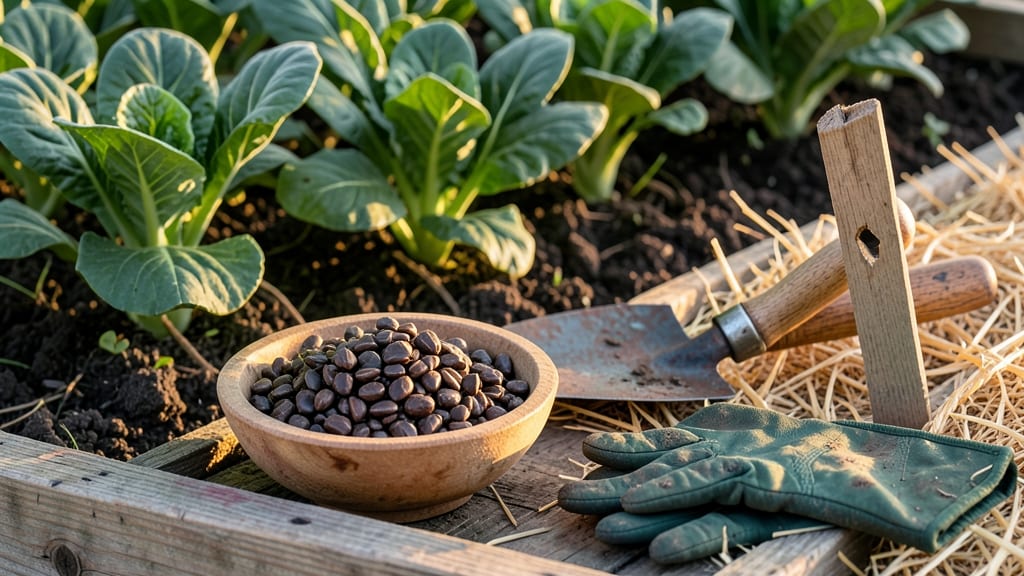
Planting collard seeds in NC at the right time means the difference between a bountiful winter harvest and a garden full of frost-bitten leaves.
North Carolina’s diverse microclimates—from the coastal plains to the mountains—can make or break your collard greens harvest if you plant at the wrong time. Get the exact timing for zero-frost success and avoid bitter-tasting leaves or frost damage.
For fall harvests, aim for late summer to early fall, while spring plantings should start by late March. The key is matching your zone (6b-8a) to soil temperatures of 50-60°F—too early, and you risk bolting; too late, and frost ruins your crop.
Below, I break down the perfect planting windows by region, plus pro tips for spacing, depth, and post-planting care to keep your 🥬 collards thriving through winter.
NC microclimate planting Zones for collard seeds: exact dates by region
North Carolina’s three distinct microclimates—Coastal Plain, Piedmont, and Mountains—create wildly different growing conditions for collards. The Coastal Plain enjoys longer frost-free seasons, while the Mountains face earlier frosts.
To avoid bitter-tasting leaves or frost damage, timing is everything. I’ll break down the exact planting windows for each region, including soil temperature thresholds and frost-free date calculations.
Collards thrive when soil temperatures reach 50-60°F, making early spring and late summer the ideal planting times. In NC’s Zone 7b-8a, you can even plant fall collards for winter harvests.
The key is knowing your last frost date and adjusting for your specific microclimate. Let’s dive into the region-specific details to ensure your collards grow sweet, tender, and frost-free.
| Region | USDA Zone | Last Frost Date | First Frost Date | Optimal Planting Window | Soil Temp Threshold |
|---|---|---|---|---|---|
| Coastal Plain | 8a-8b | February 15 | October 15 | March 1 - April 15 August 1 - September 30 |
55-60°F |
| Piedmont | 7a-7b | March 15 | October 30 | March 15 - April 30 August 15 - September 15 |
50-55°F |
| Mountains | 6b-7a | April 15 | November 15 | April 1 - May 15 July 15 - August 30 |
50°F (warmer soil needed) |
For the Coastal Plain, where winters are mild, you can start collard seeds as early as March 1 for a spring harvest or as late as September 30 for a winter harvest. The soil temperature here stays warm longer, allowing for extended growing seasons.
If you’re in Zone 8a or 8b, don’t hesitate to plant fall collards in late summer—they’ll thrive even as temperatures drop.
In the Piedmont region, where frosts arrive slightly earlier, aim for March 15 to April 30 for spring planting. This gives your collards enough time to establish roots before summer heat sets in.
For fall planting, stick to August 15 to September 15 to ensure a harvest before the first frost hits around October 30. The soil temperature here is slightly cooler, so wait until it reaches 50-55°F before sowing seeds.
The Mountains present the biggest challenge due to earlier frosts, but with careful timing, you can still grow collards successfully. Plant in April 1 to May 15 for a summer harvest or July 15 to August 30 for a fall harvest.
The soil temperature in the Mountains is often cooler, so use black plastic mulch or row covers to warm the soil and extend the season. This region’s last frost date of April 15 means you’ll need to act fast to get seeds in the ground.
No matter your region, always test soil temperature with a soil thermometer before planting. Collard seeds won’t germinate well in cold soil, and waiting for the right conditions ensures strong, healthy seedlings.
If you’re unsure about your local frost dates, check the NC State Climate Office or use a frost calendar for your specific county. Adjust your planting dates by 1-2 weeks if you notice early or late frosts in your area.
Once your collards are in the ground, mulch heavily to protect roots from temperature swings. In colder months, a lightweight row cover can shield young plants from unexpected frosts.
With the right timing and care, you’ll enjoy sweet, homegrown collards from fall through winter—no matter where you garden in North Carolina.
For fall planting, focus on August to September to maximize your harvest window. In the Coastal Plain, you might even get a second harvest in late winter before the last frost.
Meanwhile, Mountain gardeners should prioritize early spring planting to avoid the short growing season. By aligning your planting with these microclimate-specific windows, you’ll avoid common pitfalls like bolting or frost damage.
Pro tip: If you’re in Zone 7b or higher, consider succession planting every 2-3 weeks from August through September. This ensures a continuous supply of fresh collards throughout the winter months. Just remember to harvest outer leaves first to keep the plant producing.
With these region-specific guidelines, you’re ready to plant collard seeds at the perfect time for zero-frost success. Happy gardening, and may your
How to extend collard season in NC: fall vs. spring planting strategies
North Carolina gardeners know collards thrive in cool weather, but timing your planting can mean the difference between a bountiful harvest and bitter-tasting leaves. The key is understanding how to leverage fall succession planting and spring starts to stretch your growing season.
Here’s how to maximize your collard production in NC’s USDA zones 6b-8a.
Fall planting is my favorite strategy because it lets you harvest tender leaves through winter and into early spring. Start seeds in August-September for a 60-75 day harvest window before frost.
Spring planting, on the other hand, gives you summer collards, but you’ll need to act fast to avoid bolting in heat. Let’s break down the exact steps for each approach.
- 📅 Fall Planting: August 1-15 (Zones 6b-7a) or September 1-15 (Zones 7b-8a) for frost-free harvests through winter.
- 🌡️ Soil Temp: Wait until soil cools to 50-60°F—use a soil thermometer to avoid stunted growth.
- 🛡️ Row Covers: Apply floating row covers by late October to protect from light frosts (28°F tolerance).
- 🌱 Spring Planting: March 15-April 30 (Zones 6b-7a) or February 15-March 15 (Zones 7b-8a) for summer harvests.
- 🌿 Succession Plant: Sow every 2-3 weeks in spring/fall to ensure a continuous supply of fresh leaves.
For fall planting, I recommend starting with slow-bolting varieties like ‘Georgia Southern’ or ‘Vates’—they handle NC’s unpredictable weather better than heat-sensitive types. Plant seeds ¼ inch deep and 18-24 inches apart in rows spaced 2-3 feet apart.
Thin seedlings to 12-18 inches apart once they’re 2-3 inches tall to give roots room to spread.
Once your collards are established, use row covers or low tunnels to extend the season into late fall. These simple tools can push your harvest 2-4 weeks later by trapping heat and protecting leaves from light frosts.
In Zone 8a, you might even get collards through December with proper cover! Just remember to remove covers during the day to prevent heat stress.
Spring planting requires more urgency. Seedlings bolt quickly when temperatures rise above 80°F, so aim for early morning sowing in March-April. If you miss the window, try shade cloth (30-50%) to keep seedlings cool.
For a second crop, plant again in late July—these late starts mature just in time for fall harvests before winter sets in.
Pro tip: Always harvest outer leaves first to encourage bushier growth. Collards taste sweeter after a light frost, but avoid heavy freezes that turn leaves mushy. With these strategies, you’ll enjoy homegrown collards for 6+ months—from fall through spring! 🌿