
Plants
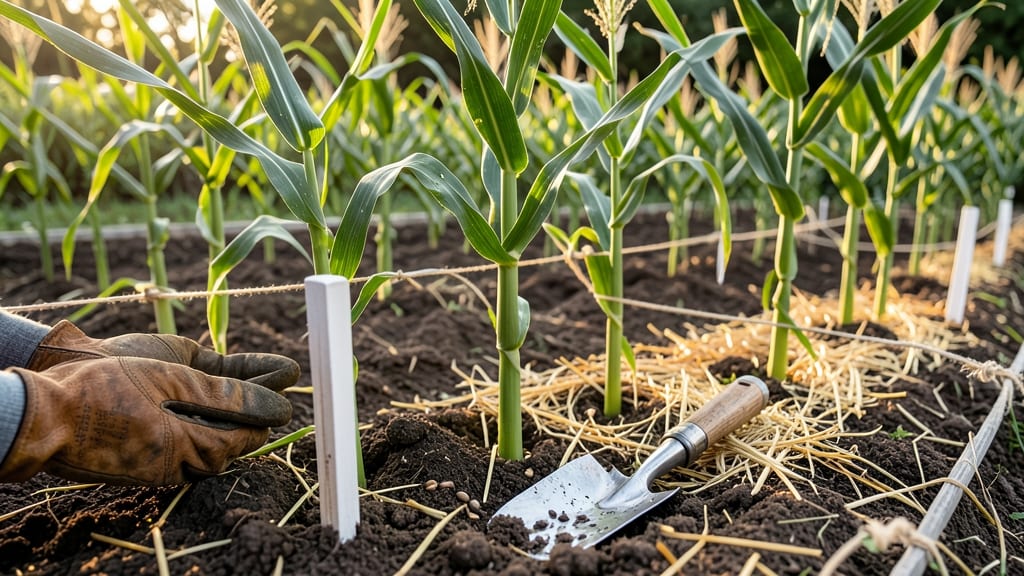
Planting corn in Canada after your last frost date — usually late May to early June — is the key to avoiding stunted growth or frost damage.
Planting corn at the wrong time in Canada can mean the difference between a bumper crop and a total loss—so knowing your regional last frost date is critical for success.
Corn thrives in warm soil and full sun, but if you plant too early, cold temperatures slow germination, while late planting cuts the growing season short. I’ve seen both mistakes lead to disappointment, and neither is worth the risk.
In this guide, I’ll break down the best planting windows by zone, how to adjust for early or late varieties, and the three common mistakes that ruin corn crops before they even start.
Canada’s corn planting zones by last frost date and regional deadlines
Corn thrives when planted after the last frost date, but Canada’s vast climate zones mean your ideal planting window can vary dramatically from Zone 3 in Alberta to Zone 8 in British Columbia.
Understanding your regional last frost date and soil temperature thresholds is key to avoiding frost damage and ensuring strong germination. Most Canadian gardeners wait until soil reaches at least 60°F (15°C)—a critical factor that shifts planting deadlines by weeks across provinces.
For Atlantic Canada (Zones 4-6), corn seeds typically go in the ground between late May and early June, while Prairie provinces (Zones 2-5) often start as early as mid-May in sheltered microclimates.
In British Columbia (Zones 7-8), gardeners can begin planting in late April to early May, thanks to milder winters. These regional differences highlight why blindly following a national calendar leads to failed crops.
Soil temperature is just as important as frost dates. Corn seeds won’t germinate below 50°F (10°C), and optimal growth requires 60-70°F (15-21°C). Use a soil thermometer to confirm readiness—especially in cooler zones like Quebec and Ontario, where early May planting can still leave seeds too cold. Patience here prevents rot and ensures vigorous seedlings.
Here’s how Canada’s hardiness zones break down for corn planting, including last frost averages and ideal planting windows by region. Use this as your guide to avoid common timing mistakes:
In Atlantic Canada, where last frosts often linger into mid-May, gardeners should prioritize early-maturing varieties like ‘Early Sunglow’ (60 days to harvest) to avoid fall frosts.
Meanwhile, British Columbia’s coastal regions can start as early as late April, but inland areas like the Okanagan Valley should wait until mid-May
How to adjust corn planting time for early, mid-season, and late varieties
Choosing the right corn variety and planting time is essential for a successful harvest in Canada. Early, mid-season, and late varieties each have unique maturity windows that must align with your local frost dates.
For example, in Zone 4, early varieties like Golden Bantam can be planted as soon as soil warms to 60°F (15°C), while late varieties like Pioneer 39T03 need a longer growing season to mature before frost.
Adjusting your schedule based on these factors ensures you avoid early frost damage or wasted effort on varieties that won’t ripen in time.
Your regional climate risks play a huge role in this decision. Coastal areas like British Columbia have milder springs, allowing for earlier planting, while Prairie provinces face shorter growing seasons and may need heat-tolerant late varieties.
Even within a province, microclimates—like urban heat islands or sheltered valleys—can shift your ideal planting window by 1-2 weeks. Always check your last frost date and plan accordingly to maximize your corn’s potential.
Heat tolerance and drought resistance are critical for Canadian growers. Early varieties like Ambrosia mature quickly but may struggle in hot, dry summers, while late varieties like Lodening can handle heat better but need more time. If you’re in a drought-prone area, opt for varieties labeled as drought-tolerant and plant earlier to avoid stress during tasseling. Conversely, in cooler regions, mid-season varieties like Country Gentleman strike a balance between speed and reliability.
| Variety Type | Popular Canadian Varieties | Days to Maturity | Ideal Planting Window | Climate Suitability |
|---|---|---|---|---|
| Early | Golden Bantam, Ambrosia | 60-75 days | Late May - Early June | Cooler regions, shorter seasons |
| Mid-Season | Country Gentleman, Golden Cross Bantam | 80-95 days | Mid-May - Late June | Moderate climates, versatile |
| Late | Pioneer 39T03, Lodening | 100-120 days | Early May - Mid-June | Warmer regions, heat tolerance |
To fine-tune your planting schedule, start by selecting a variety that matches your growing season length. If you’re in Zone 3 or 4, prioritize early or mid-season varieties to avoid frost.
For example, Golden Bantam (60 days) is perfect for short seasons, while Pioneer 39T03 (110 days) thrives in Zone 5 or warmer. Use a planting calendar to track soil temperatures—corn seeds won’t germinate below 50°F (10°C), and ideal conditions are 60°F (15°C) or higher.
Don’t forget to account for frost sensitivity during pollination. Corn is most vulnerable when silks emerge, typically 45-60 days after planting. If late frosts are common in your area, choose early-maturing varieties or use row covers to protect plants.
For instance, in Southern Ontario, where frosts can linger into June, planting Ambrosia in late May ensures ears form before frost risks peak. Adjust your timeline by 1-2 weeks earlier if your area has a history of unpredictable weather.
Experiment with successive planting to extend your harvest window. Plant early varieties first, followed by mid-season and late varieties 2-3 weeks apart. This strategy lets you enjoy corn from July through September, even in shorter growing seasons.
For example, in Zone 4, you might plant Golden Bantam in late May, Country Gentleman in early June, and Lodening in mid-June. Always monitor weather forecasts and adjust as needed—flexibility is key to avoiding losses from unexpected early frosts or heatwaves.