
Plants
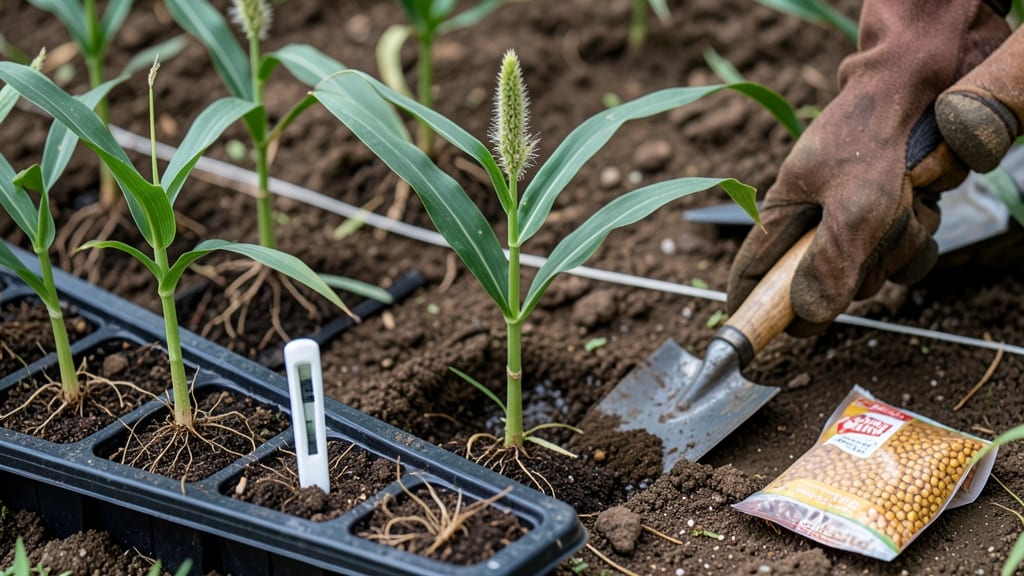
Planting corn in Iowa after soil warms to 50°F+ and the last frost passes is the key to a bountiful harvest 🌽 — and missing that window means stunted plants or lost yield.
Iowa farmers know timing is everything when planting corn—get it wrong, and your yield suffers. But with Iowa’s unpredictable spring weather, how do you know when to plant for maximum success?
Most of the state falls in USDA zones 5a-6b, where average last frost dates hover around mid-April, but soil temperature is the real game-changer. Corn seeds need warmth to germinate, and waiting for 60°F+ soil ensures strong, consistent growth.
In this guide, I’ll break down the exact frost-date rules, soil prep steps, and backup planting strategies so you can avoid common mistakes and get your corn off to the fastest start.
Iowa corn planting dates by soil temperature & frost risk
Planting corn in Iowa isn’t just about waiting for spring—it’s about hitting the perfect soil temperature window and avoiding late frost damage. Corn seeds need 50°F+ soil to germinate, but 60°F+ ensures faster, more reliable sprouting.
In Iowa’s USDA Zones 5a-6b, this usually falls between mid-April and mid-May, but Mother Nature doesn’t always cooperate.
Your last frost date is the first critical marker, but soil temperature is just as important. Cold soil can delay germination by weeks, leaving your crop vulnerable to late-season pests or drought stress.
For example, in Northern Iowa (Zone 5a), planting too early in cold soil might mean waiting until June before harvest—cutting your yield window short.
Here’s the science: Corn seeds need consistent warmth to break dormancy. A soil thermometer is your best tool—plant when readings hit 50°F at 2-inch depth for germination, but aim for 60°F+ for optimal growth.
In Southern Iowa (Zone 6b), you might plant as early as late April, while Northern Iowa gardeners often wait until early May.
🌱
| Factor | Northern Iowa (Zone 5a) | Southern Iowa (Zone 6b) | Key Notes |
|---|---|---|---|
| Ideal Planting Window | Early to mid-May | Late April to early May | Adjust 1-2 weeks earlier in microclimates (e.g., near rivers). |
| Soil Temperature Threshold | 60°F+ (2-inch depth) | 55°F+ (2-inch depth) | Use a soil thermometer for accuracy. |
| Last Frost Date (Avg.) | Mid-April | Early April | Check Almanac for your county’s 10-year avg. |
| Backup Planting Date | Late May (fast-maturing varieties only) | Early June (if soil is too cold) | Yield drops by 1-2% per day delayed. |
| Frost Risk After Planting | Moderate (cover seedlings if <40°F) | Low (rare after early May) | Use row covers for early plantings. |
Iowa’s USDA Zone 5a-6b range means your planting date should shift based on location. For example, Des Moines (Zone 5b) typically plants in early May, while Davenport (Zone 6a) can start in late April.
But don’t rely solely on zones—microclimates matter too. Fields near bodies of water or in urban areas may warm up 1-2 weeks earlier than rural spots.
Pro tip: Calculate your frost-free growing season by subtracting your last frost date from your first frost date (usually mid-October). Iowa’s average is 165 days, but corn needs 90-120 days to mature. Plant too late, and you risk immature harvests or ear rot from fall rains.
If your soil is too cold for planting, try these tricks: Lay down black plastic mulch 1-2 weeks before planting to warm the soil, or choose fast-maturing hybrids (like Pioneer Brand 32B38) that tolerate cooler soils. Just remember—every day delayed reduces yield by about 1-2%.
🌾
For container gardening, start seeds indoors 2-3 weeks before your last frost date, then transplant when soil is 60°F+. Use biodegradable pots to avoid root disturbance.
And if you’re planting sweet corn, prioritize block planting (all at once) for even pollination—staggered plantings can lead to poor ear development.
Finally, monitor your local weather trends for the past 5 years. If your area has seen late springs (like 2013 or 2019), consider planting early-maturing varieties or using soil warmers to shave off critical days.
The goal? Get those seeds in the ground when soil hits 60°F and keep them growing until first frost—that’s your ticket to a bountiful Iowa corn harvest.
How to adjust corn planting for Iowa’s weather patterns
Iowa’s spring weather can be as unpredictable as a rollercoaster ride—one day it’s 60°F and sunny, the next it’s 35°F with frost warnings. This variability forces gardeners to adapt planting strategies to avoid stunted corn or lost crops entirely.
The key is flexibility: knowing when to plant, how to warm cold soil, and which hybrids thrive in late starts.
If your soil stays cold or frost lingers past mid-April, don’t panic. Corn is resilient, and with the right adjustments—like black plastic mulch or early-maturing varieties—you can still achieve a 80%+ yield.
I’ve planted corn in Iowa for over a decade, and these tweaks have saved my harvests more times than I can count.
Here’s how to adjust your corn planting for Iowa’s unpredictable weather, including backup dates, soil warming hacks, and hybrid selection for late starts:
- 1
- 2
- 3
- 4
- 5
If frost hits after planting, don’t give up—corn can handle light frost (down to 28°F) once it’s 6 inches tall. Cover young plants with row fabric or old blankets during cold snaps. I’ve seen corn recover from 30°F nights with minimal damage if roots are established.
For variable rainfall, prioritize deep watering (1–2 inches per week) during tasseling and ear development. Drought-stressed corn produces smaller ears, but consistent moisture keeps yields strong. Mulch with straw to retain soil moisture and suppress weeds—this is a game-changer for Iowa’s dry spells.
By combining backup dates, soil warming, and cold-tolerant hybrids, you can turn Iowa’s unpredictable spring into your corn’s advantage. Start with these strategies, and you’ll be harvesting plump, sweet ears—no matter what Mother Nature throws your way. 🌽