
Plants
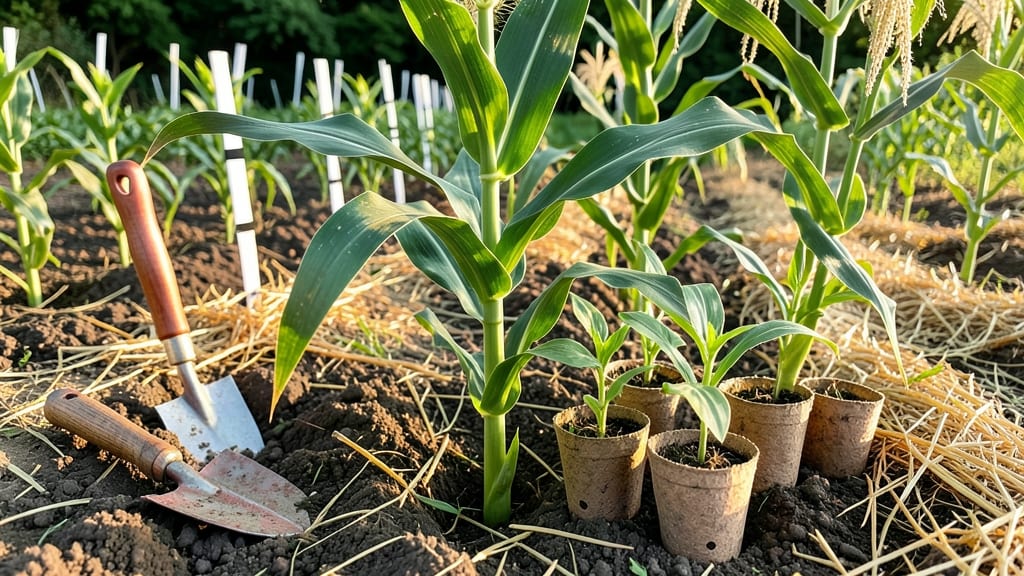
Planting corn in West Virginia at the right time means waiting for soil temperatures to hit at least 60°F—any earlier, and your 🌽 may struggle to germinate or grow strong.
Timing your corn planting in West Virginia isn’t just about the calendar—it’s about soil temperatures that can make or break your harvest. Get it wrong, and you risk stunted growth or even total crop failure.
Most gardeners in USDA Zone 6a can start planting in late April to mid-May, but cooler highland areas may need to wait until early June. The key is balancing frost risk with warm soil, which is why testing with a soil thermometer is a game-changer.
In this guide, I’ll walk you through the exact soil temperature triggers, regional adjustments, and pro tips to ensure your corn thrives from seed to harvest—no guesswork included.
Ideal soil temperature for planting corn in West Virginia
Corn is a warm-season crop, and in West Virginia, getting the soil temperature right is critical for strong germination and vigorous growth. The minimum safe soil temperature for planting corn is 50°F, but seeds won’t thrive until the soil warms to 60°F or higher.
At cooler temperatures, seeds may rot in the ground or produce weak, leggy seedlings that struggle to stand upright.
Why does soil temperature matter so much? Corn seeds need warmth to activate enzymes that break down stored nutrients, fueling early root and shoot growth. In West Virginia’s USDA Zones 5-7, soil warms unevenly—especially between the Appalachian Mountains and the central valleys.
This means planting dates can vary by 2-3 weeks depending on elevation and microclimate.
🌱
| Region | Avg. Soil Temp Threshold | Best Planting Window | Key Considerations |
|---|---|---|---|
| Northern WV (Appalachian) | 60-65°F | Late May to early June | Cooler soils; use black plastic mulch |
| Central Valleys (e.g., Charleston) | 58-62°F | Mid-April to late May | Warmer microclimates; frost risk after May 15 |
| Southern WV (e.g., Lewisburg) | 55-60°F | Early April to mid-May | Earliest planting; monitor for late frosts |
| All Regions | Minimum: 50°F | After last frost date | Test soil temp with a thermometer |
To test your soil temperature, use a soil thermometer (available at garden centers for under $10). Insert it 4-6 inches deep—the depth where corn roots will first emerge—and check readings in the morning.
If the temperature hovers around 55°F, wait a few days; aim to plant when it consistently reaches 60°F or warmer.
In West Virginia’s Appalachian regions, like Pocahontas or Randolph counties, soils warm more slowly due to higher elevations. Here, planting corn before May 15 often means risking cold snaps that stunt growth.
Meanwhile, in central valleys (e.g., Kanawha or Boone counties), you can start as early as mid-April if the soil is ready—just be prepared for potential late frosts.
🌡️
Pro tip: If your soil is still too cool, consider using black plastic mulch to absorb sunlight and raise soil temperatures by 5-10°F. Lay it down a week before planting to warm the ground.
Alternatively, plant in raised beds, which warm up faster than in-ground soil. Both methods are especially useful for gardeners in Zone 5 areas like Morgantown or Elkins.
Another trick is to choose early-maturing corn varieties, like ‘Silver Queen’ or ‘Peaches and Cream,’ which can tolerate slightly cooler soils. These varieties also allow for succession planting if you’re in a region with a longer growing season, like the New River Valley.
Plant a second batch in early June for a late-summer harvest.
🌾
Remember, corn seeds won’t germinate if the soil is below 50°F, even if the air temperature feels warm. Always prioritize soil temperature over calendar dates. For real-time updates, check the West Virginia State University Extension Service for local frost and soil temperature forecasts.
With the right timing, you’ll set your corn up for a bountiful harvest—not just a few sad stalks!
West Virginia's planting calendar: month-by-month guide by elevation
West Virginia's diverse elevations create microclimates that shift planting windows by weeks. Lowland valleys like Charleston (USDA Zone 7a) can start corn in late April, while Appalachian highlands near Beckley (Zone 6b) often wait until mid-May to avoid frost.
Understanding these elevation-based differences prevents wasted seeds and maximizes yields.
Use the last frost date as your baseline, but adjust for soil warmth. Corn seeds need 60°F+ soil to germinate consistently. In higher elevations, this often means delaying planting by 2-3 weeks compared to lower areas.
For example, Morgantown (Zone 6a) typically plants 1 week later than Huntington (Zone 7b).
For northern counties like Pocahontas or Randolph, extend your planting window into early June if early months are too risky. These areas often have shorter growing seasons (140 frost-free days vs. 180+ in southern WV), so prioritize fast-maturing hybrids like 'Silver Queen' or 'Peaches and Cream'.
Pro tip: Test your soil temperature with a soil thermometer (insert 4 inches deep in morning shade). If it’s below 55°F, delay planting—corn seeds may rot. In lowland areas, you can plant 1-2 weeks earlier by using row covers to trap heat.
Remember, succession planting is key for a continuous harvest. If you plant half your crop in May and half in June, you’ll stretch your harvest from late July to September. This works especially well in Zone 7a, where summers are long enough to support two plantings.