
Plants
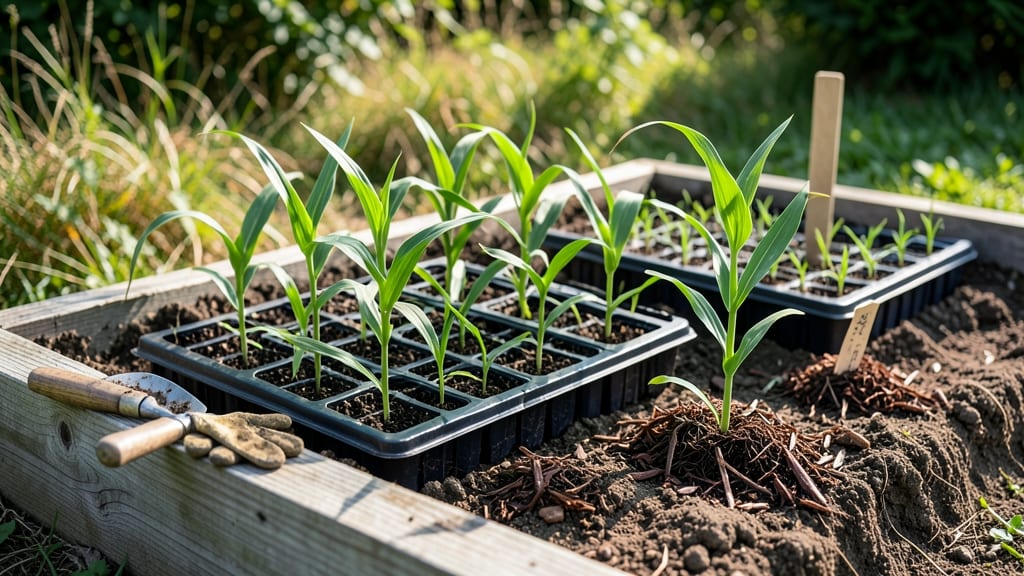
Planting corn in Zone 6a means timing your seeds for soil temperatures of 50°F or higher—the magic number for fast germination and strong stalks.
Timing your corn planting in Zone 6a isn't just about calendar dates—soil temperature holds the key to strong germination and bumper harvests. Get it wrong, and you risk stunted plants or wasted seeds.
Most gardeners in Zone 6a aim for mid-April to mid-May, but a soil thermometer is your best friend here. Cold soil delays germination, while warm soil gets those 🌽 kernels sprouting in just 5-7 days.
In this guide, you’ll discover the exact planting window for your region, how to test soil warmth, and the fastest tricks to boost germination—so you’re harvesting sweet, juicy ears by July.
Zone 6A corn planting calendar: best dates by soil temperature
Planting corn in Zone 6A requires precision—your soil temperature is the real deadline, not just the calendar. Corn seeds need consistent soil temps of 50°F+ to germinate reliably. Plant too early, and you’ll waste seeds on slow, uneven sprouts. Too late, and your harvest shrinks before frost hits.
In Zone 6A, the last frost date typically falls around April 15, but soil warms slower than air. That’s why I time my first plantings for mid-April to early May, once soil hits 55°F+ at 2-inch depth.
For late varieties, I extend planting into mid-June—but only if you’ve got 90+ days left before frost.
🚨 Pro Tip: Use a soil thermometer (not air temp!) to confirm readiness. Early mornings are best for testing—soil cools overnight and gives the true picture. If temps dip below 50°F, delay planting or use black plastic mulch to warm the soil faster.
For succession planting, I stagger my corn every 2 weeks from April to June. This ensures a continuous harvest and maximizes your garden’s potential. For example, plant 'Early Sunglow' in mid-April, then 'Silver Queen' in late April, followed by 'Peaches and Cream' in early May.
This way, you’ll have ears ready from late July through September.
Microclimates matter in Zone 6A. If you’re in a warmer microclimate (like near a south-facing wall or blacktop), you can plant 2 weeks earlier. Conversely, cooler pockets (valleys, shaded areas) may need a 2-week delay. Always adjust based on your soil thermometer, not just the weather forecast.
Corn loves warm soil, but it also needs consistent moisture after germination. If you plant in dry soil, seeds may rot before sprouting. I always water deeply the night before planting to ensure even moisture. After planting, keep soil consistently damp (not soggy) until seedlings emerge.
🌱 Regional Adjustments: In northern Zone 6A (e.g., upstate New York), aim for late April to early May plantings. In southern Zone 6A (e.g., Virginia, North Carolina), you can start as early as mid-April in protected microclimates.
Always check your local frost dates—they vary by 1-2 weeks even within the same zone.
One common mistake is planting corn too late for a full harvest. If you miss the June 15 cutoff, your late varieties may not mature before first frost (October 15).
To avoid this, I use short-season varieties (under 85 days) for June plantings and monitor frost predictions closely.
For container growing, stick to early varieties like 'Bodacious' (70 days) and plant in large pots (12"+ deep). Containers warm up faster than soil, so you can plant 1-
Soil temperature secrets for faster corn germination in Zone 6A
Corn seeds need consistent soil temperatures above 50°F to germinate properly in Zone 6A. Without proper warmth, your seeds may rot in the ground or sprout unevenly, leading to weak plants. The good news? You can accelerate soil warming with simple techniques that give your corn a head start.
Cold soil is the #1 reason corn germination fails in spring.
Even after the last frost, ground temperatures can linger below 50°F for weeks in Zone 6A. That's why I recommend testing your soil temperature daily with a soil thermometer—it's the only way to know for sure when conditions are right for planting.
- 1 Use black plastic mulch to raise soil temps by 10-15°F within days. Lay it down 1-2 weeks before planting for maximum effect.
- 2 Plant in raised beds—they warm up 2-3 weeks faster than in-ground soil. Fill with a mix of 50% compost for extra heat retention.
- 3 Start seeds indoors in seedling trays with bottom heat mats (set to 75-80°F). Transplant when soil reaches 60°F+ for faster establishment.
- 4 Avoid planting too early—corn seeds planted in 40-45°F soil may take 3+ weeks to germinate, leaving them vulnerable to pests and disease.
- 5 Test soil temp daily at 4-inch depth (where roots form). Use a digital thermometer for accuracy—never guess!
I once planted corn in 48°F soil because I relied on air temperature instead of checking the ground. The result? Only 30% germination and weak seedlings that never recovered.
Since then, I've made it a rule to wait until soil hits 55°F consistently before planting—it's made all the difference in my yields.
For Zone 6A gardeners, aim to have your soil at 60°F+ before planting early varieties like 'Silver Queen'. Late varieties can tolerate slightly cooler soil (55°F), but they'll still germinate slower.
Pro tip: Plant successive batches every 2 weeks once soil warms up to extend your harvest window.
Remember, corn roots need warmth to establish quickly. If you're using black plastic mulch, remove it once plants emerge to prevent overheating. And always water deeply after planting to help the soil warm up faster—moist soil conducts heat better than dry soil.