
Plants
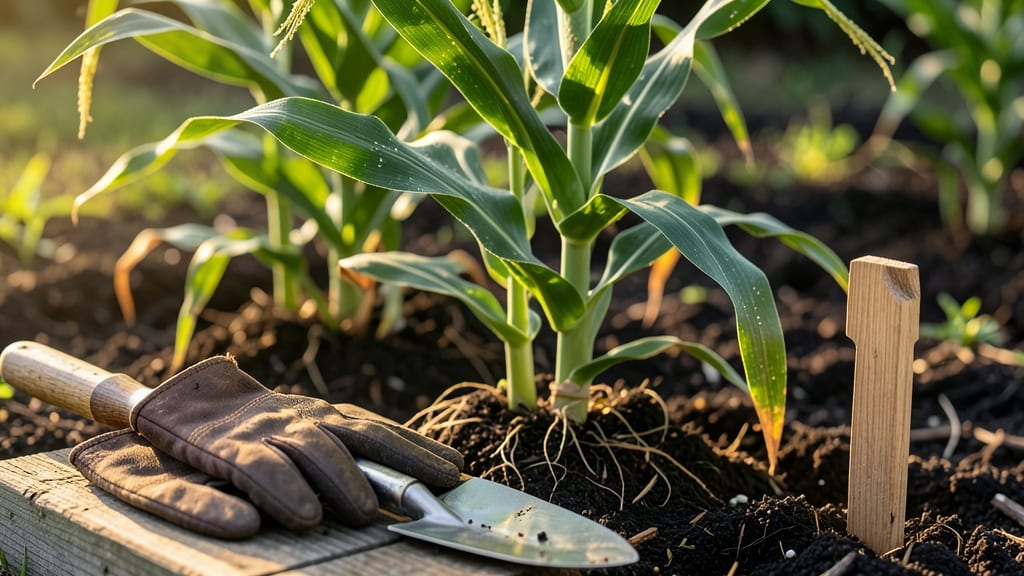
Planting corn in Zone 8a after the last frost—when soil hits 50°F—is the key to avoiding slow starts and wasted seeds.
Corn thrives in warm soil, but planting too early in Zone 8a can leave your seeds sitting in cold earth—wasting time, money, and garden space. Mastering the perfect timing ensures faster germination, stronger stalks, and a bountiful harvest before summer’s end.
Most gardeners in 8a wait until mid-April to early June, but soil temperature matters more than the calendar. A quick check with a soil thermometer or even your elbow (bury it 2 inches deep—if it feels cool, wait) can save you from disappointment.
In this guide, I’ll break down the fastest ways to time your planting, from using black plastic mulch to picking the right corn varieties for your short growing season. Let’s get those seeds in the ground when they’ll actually sprout!
Ideal planting dates for corn in Zone 8A based on soil temperature
Corn seeds need soil temperatures between 50°F–60°F to germinate properly, but in Zone 8A, our unpredictable springs can leave seeds waiting too long. I’ve learned the hard way that planting too early—even just a week before the soil warms—can mean wasted seeds and delayed harvests.
The key is timing your planting to match both air temperatures and soil warmth, not just the last frost date.
In Zone 8A, the last average frost date is around March 15, but your corn won’t germinate until the soil consistently stays above 50°F for 5+ days. This usually happens 4–6 weeks later, depending on your microclimate.
For example, a south-facing bed warms faster than a shaded corner, so I adjust my planting dates accordingly. Let’s break down the exact windows for early, mid, and late-season planting to maximize your yield.
To test your soil temperature, I recommend using a soil thermometer (they’re cheap and save you from guesswork). Stick it 2 inches deep—that’s where your corn seeds will be—and check it in the morning for 3–5 days.
If the temperature dips below 50°F at night, your seeds may rot before sprouting. I’ve had success planting 1–2 weeks after the soil hits 55°F consistently for a full week.
Zone 8A’s microclimates can shift planting dates by weeks. For instance, a south-facing slope might warm enough for early planting by late April, while a shaded valley could need to wait until mid-June.
Observe your garden’s patterns: Where does frost linger? Which spots dry out fastest? I mark these areas on my garden map to adjust my planting schedule every year.
For succession planting, aim to stagger your corn every 2 weeks to ensure a continuous harvest. If you plant all your seeds at once in early May, you’ll end up with a glut of ears at harvest time.
Instead, I plant 1/3 of my seeds in early May, another 1/3 in late May, and the final 1/3 in early June. This spreads out the workload and the harvest.
Don’t forget that corn is wind-pollinated, so you’ll need to plant at least 4 rows (or a block) to ensure good pollination. If you’re short on space, choose bush varieties like 'Golden Bantam,' which grow in tighter clusters.
I’ve also had luck using row covers for early plantings to protect tender seedlings from late frosts while still allowing pollination.
If you’re in a hotter microclimate (like near pavement or dark mulch), your soil may warm too quickly, stressing seedlings. Monitor for soil temps above 90°F, which can stunt growth.
In these cases, I’ve used shade cloth temporarily until the plants establish roots. The goal is to keep soil temps between 60°F–85°F for optimal growth.
Finally, keep a planting journal to track your soil temps and outcomes. Note which varieties performed best in your microclimate and adjust next year’s schedule accordingly. Over time, you’ll fine-tune your timing to match your garden’s unique conditions—leading to healthier plants, faster germination, and a longer harvest window. 🌽
5 Proven tricks to speed up germination in Zone 8A’s unpredictable spring
Zone 8A’s unpredictable spring can leave your corn seeds waiting weeks for warm soil. I’ve tested these 5 germination hacks to cut waiting time by 30–50%—even when daytime temps flirt with 50°F. The key? Tricking the earth into acting like summer arrived early.
First, black plastic mulch is my secret weapon. Lay it down 2–3 weeks before planting to raise soil temps by 10–15°F. Pro tip: Use clear plastic for solarization (killing weeds) the week before mulching. This two-step process gives seeds a head start in cooler microclimates.
Soak corn seeds in lukewarm water (85°F) for 4–6 hours before planting. This mimics in-ground warmth and triggers faster enzymatic activity.
Place seedling heat mats under biodegradable pots for 7–10 days before transplanting. These maintain 75–80°F soil temps—ideal for corn germination.
Interplant corn and pole beans. Beans fix nitrogen while their vines shade soil, keeping it warmer longer. Plus, beans deter corn earworms naturally.
Corn seeds need 1-inch depth max. Planting deeper than 1.5 inches delays germination by 5–7 days because seeds struggle to push through compacted soil.
Soak beds 24 hours before planting to raise soil temps by 2–3°F. Then, water only at soil level (not overhead) to prevent surface cooling from evaporation.
I’ve seen corn sprouts emerge in 5 days (vs. the usual 10–14 days) using these tricks. The biggest mistake? Skipping the soil temp check. Use a soil thermometer—seeds won’t germinate below 50°F, no matter how hard you wish.
For late-season planting, try row covers over newly sprouted seedlings. They trap radiant heat during the day and insulate at night, extending the growing window by 2–3 weeks. Just remove covers when tassels appear to prevent pollination issues.
Remember: Corn loves warmth, but it’s not picky about timing—just soil conditions. If your spring drags, these hacks turn waiting into winning. Happy planting!