
Plants
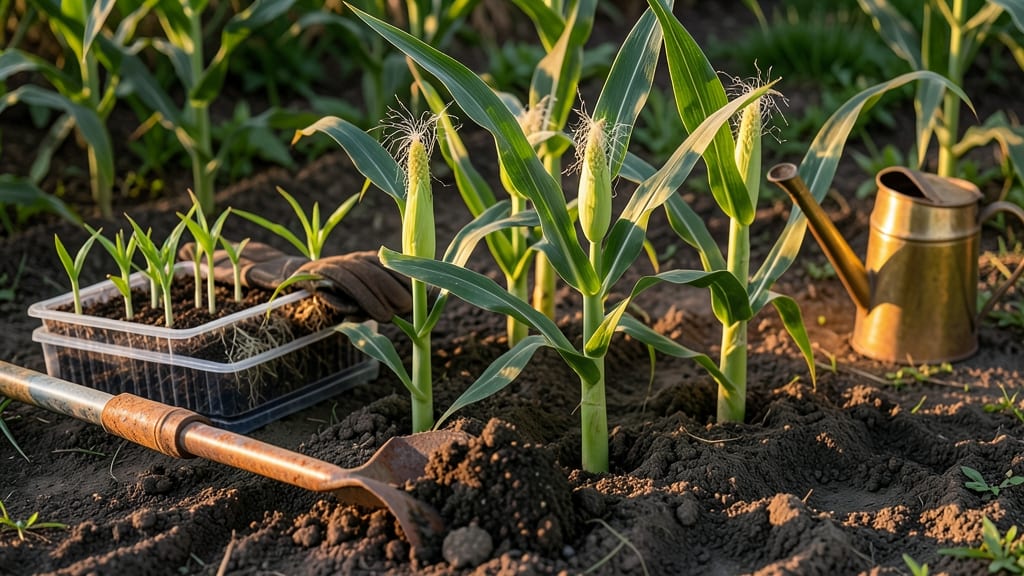
Planting corn in Mississippi at the right time means the difference between a bumper crop and a sad, stunted patch of stalks 🌽 — aim for mid-April to early June when soil temperatures hit 50-60°F.
Mississippi’s humid climate and long growing season make it a prime location for corn—but timing is everything to avoid frost damage and maximize yields.
If you’ve ever watched your seedlings shiver under a late spring frost or wilt in summer heat, you know how critical the window is. The key is balancing soil warmth with frost-free dates, which vary by region—Northern Mississippi needs a little more patience than the South.
Below, I’ll break down the exact frost-free timelines, soil temperature tricks, and regional adjustments so you can plant with confidence and harvest like a pro.
Mississippi corn planting timeline: frost dates & soil temperature guide
Mississippi’s humid subtropical climate creates perfect conditions for growing corn—but getting the planting timing right is critical. Corn thrives in warm soil and long frost-free days, so understanding your local frost dates and soil temperature is key to avoiding frost damage and maximizing yields.
Whether you're in North Mississippi or South Mississippi, these regional differences matter.
Corn seeds need soil temperatures between 50-60°F to germinate properly. In Mississippi, this typically happens in late March to early April, but northern regions like the Delta may need to wait until mid-April due to cooler springs.
Southern areas like the Gulf Coast can start as early as mid-March if soil warms quickly.
Mississippi’s last average frost date ranges from March 15 in the south to April 1 in the north, while the first frost usually arrives between November 15 and November 30.
This gives you a 210-day frost-free window—plenty of time for multiple corn plantings if you choose the right varieties.
Here’s a quick reference for Mississippi’s corn planting timeline, including soil temperature and frost-free windows for both northern and southern regions:
| Region | Last Frost Date | First Frost Date | Ideal Planting Window | Soil Temp for Planting | Harvest Window |
|---|---|---|---|---|---|
| North Mississippi (e.g., Tupelo, Oxford) | April 1 | November 15 | Mid-April to early May | 55-60°F | Late July to October |
| Central Mississippi (e.g., Jackson, Starkville) | March 25 | November 20 | Late March to early May | 50-58°F | Early July to October |
| South Mississippi (e.g., Biloxi, Hattiesburg) | March 15 | November 30 | Mid-March to late April | 50-60°F | June to October |
For southern Mississippi, you can even plant early varieties in late February if you use row covers or a greenhouse to protect young seedlings from unexpected late frosts.
In northern Mississippi, it’s safer to wait until after April 15 to ensure soil warmth and avoid frost damage.
Corn is sensitive to cold soil, so always check soil temperature with a soil thermometer before planting. If temperatures dip below 50°F, germination slows dramatically, and seeds may rot. Warm the soil by using black plastic mulch or planting in south-facing beds that absorb heat.
Mississippi State University Extension recommends planting sweet corn varieties like 'Silver Queen' or 'Peaches and Cream' in April for a summer harvest, while dent corn (like 'Pioneer 39T21') can be planted as late as June for a fall harvest. Popcorn varieties like 'Golden Bantam' thrive with an early April planting.
Once you’ve planted, monitor weather forecasts for late frosts or unseasonable cold snaps. If frost threatens, cover young plants with frost blankets or row covers. Corn is also vulnerable to drought stress, so ensure consistent moisture during tasseling and ear development.
By aligning your planting schedule with local frost dates and soil temperatures, you’ll give your corn the best chance to thrive in Mississippi’s humid climate. Whether you're growing for fresh ears, popcorn, or livestock feed, timing is everything! 🌽
Best corn varieties for Mississippi & their planting windows
Mississippi’s gardeners have plenty of options when it comes to corn—from sweet Silver Queen to hearty field corn and even popcorn varieties like Strawberry Popcorn. The key to success lies in matching your variety to Mississippi’s 210-day growing season and regional frost-free dates.
Early-season varieties like 'Early Sunglow' can be planted as soon as soil reaches 50°F in late March, while late varieties like 'Peaches and Cream' need to go in by early June to mature before frost. Let’s break down the best options for your garden.
🌽 Comparison Table: Best Corn Varieties for Mississippi
| Variety Type | Best For | Planting Window | Days to Maturity | Height | Key Notes |
|---|---|---|---|---|---|
| Sweet Corn | Fresh eating | Mid-April to early May | 60-85 days | 6-10 ft | 'Silver Queen' - classic sweet flavor; 'Early Sunglow' - early harvest |
| Field Corn | Animal feed, grain | Late April to early June | 90-120 days | 8-12 ft | 'Peaches and Cream' - reliable producer; 'Golden Bantam' - compact |
| Popcorn | Snacking | Early May to late May | 80-100 days | 5-8 ft | 'Strawberry Popcorn' - sweet kernels; 'Mushroom' - large ears |
| Dwarf Varieties | Small gardens | Mid-April to early June | 60-75 days | 3-5 ft | 'Bodacious' - sweet corn; 'Golden Bantam' - popcorn |
For Northern Mississippi, where frosts linger longer, stick to early varieties like 'Early Sunglow' planted in late April. In Southern Mississippi, you can push the window to early June for late-season varieties like 'Peaches and Cream'.
Pro tip: Use black plastic mulch to warm soil faster for early plantings, or try staggered plantings every 2 weeks to extend your harvest season. This works especially well for sweet corn, which loses flavor quickly after picking.
If you’re growing corn for animal feed or grain, field corn varieties like 'Golden Glow' are hardier and produce more kernels per ear. For popcorn lovers, 'Strawberry Popcorn' is a crowd-pleaser with its naturally sweet kernels.
Remember, corn thrives on full sun (6-8+ hours daily) and consistent moisture, especially during tasseling. Water deeply 2-3 times per week once plants reach knee height to avoid ear rot.