
Plants
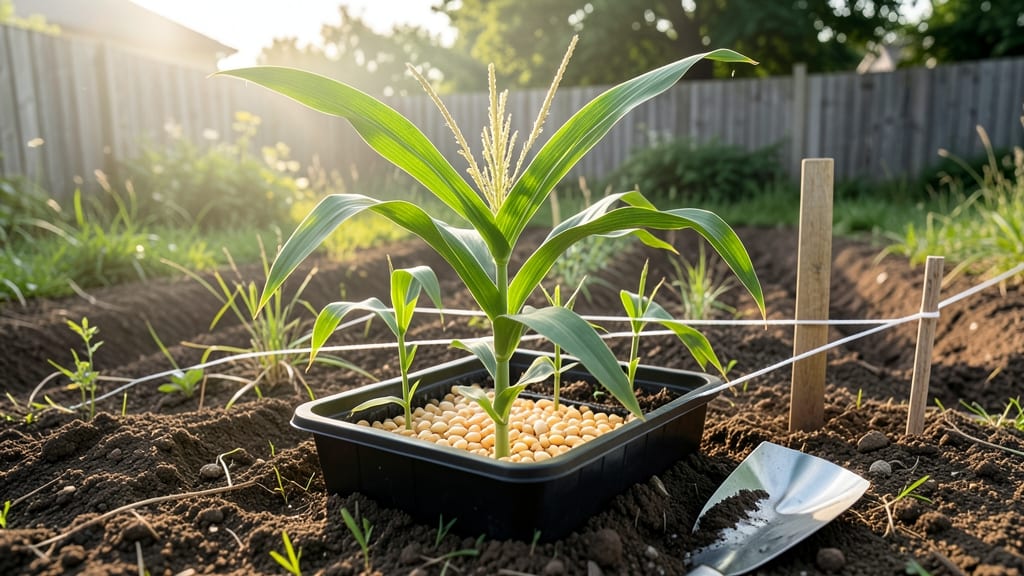
Planting corn in Northeast Ohio after the last frost—typically by mid-May—sets the stage for a thriving crop 🌽, but getting the timing wrong can mean lost seeds or stunted plants.
Northeast Ohio’s unpredictable spring weather can make corn planting a high-stakes gamble—but timing it right means the difference between a bumper crop and wasted effort.
With USDA Zone 6a conditions, soil temperatures need to hit at least 50°F before seeds go in, and waiting too long risks early frost cutting the season short.
Below, I’ll break down the exact window for your microclimate, how to adjust for early or late varieties, and pro tips to stretch your growing season—so you can plant with confidence and harvest like a local.
Northeast Ohio corn planting dates by microclimate zones
Northeast Ohio’s diverse geography creates distinct microclimates that can shift corn planting windows by weeks. From the Lake Erie shoreline to the Appalachian foothills, understanding your zone’s frost patterns and soil warming trends is key to success.
I’ve broken down planting dates by region, including urban vs. rural adjustments and soil temperature thresholds of 50°F+ for germination.
Corn thrives when planted after your area’s average last frost date, but Northeast Ohio’s USDA Zones 5b-6a have surprising variability. The Lake Erie effect delays spring in coastal areas by 1-2 weeks compared to inland valleys, while higher elevations in the Appalachian foothills can experience earlier frosts.
Let’s explore the exact windows for each microclimate to maximize your harvest potential.
Comparison Table: Northeast Ohio Corn Planting by Microclimate
For the Lake Erie shoreline, I recommend waiting until May 1 to plant—earlier sowings risk late frosts that can kill young seedlings. The soil temperature near the lake often lingers below 50°F until mid-May, so use a soil thermometer to confirm readiness.
In contrast, inland valleys like Akron can plant as early as April 25, giving corn a longer growing season before fall frosts.
The Appalachian foothills present unique challenges due to their higher elevation, which can delay soil warming by 1-2 weeks. Plant here no earlier than May 5, and consider shorter-season varieties (85-95 days to maturity) to avoid frost damage.
Urban gardeners should account for the heat island effect, which can push planting dates slightly earlier than rural areas by 3-5 days.
Rural farmland benefits from warmer soils and longer frost-free periods, allowing planting as early as April 20. However, always verify your last frost date using local weather data—Ohio State Extension’s Ohio Agricultural Weather Network provides real-time updates.
I’ve planted corn in both urban and rural Northeast Ohio and found that rural soils reach optimal temperatures 10-14 days earlier than urban plots.
If you’re unsure about your microclimate, use this 3-step verification method:
- Check your USDA zone (most of Northeast Ohio is 5b-6a),
- Compare with the Lake Erie effect map from OSU Extension, and
- Monitor soil temps with a digital thermometer for 3 consecutive days above 50°F. This ensures your corn gets off to the right start, avoiding the heartbreak of frost-nipped seedlings.
For gardeners in Zone 5b areas, I recommend planting early-maturing varieties like ‘Silver Queen’ (85 days) or ‘Peaches and Cream’ (90 days) to account for shorter growing seasons. In Zone 6a regions, you can afford slightly later varieties like ‘Golden Bantam’ (95 days) or ‘Country Gentleman’ (110 days).
Always factor in your first frost date—most of Northeast Ohio sees frost by October 15, so plan accordingly.
One common mistake I see is planting corn too early in hopes of a longer season. Cold soils (<45°F) can cause seeds to rot, while temperatures below 50°F delay germination. Use black plastic mulch to warm soils faster in cooler microclimates, or opt for row covers to
How to adjust planting timing for early vs. late varieties
Northeast Ohio’s short growing season demands careful planning when choosing between early and late corn varieties. A short-season hybrid (85-100 days) like 'Early Sunglow' can mature in time for a late July harvest, while full-season varieties (110+ days) like 'Silver Queen' need perfect timing to avoid frost damage.
Your last frost date—typically mid-May—is the anchor for calculating your ideal window.
First, check your local frost data from the Ohio State Extension or Almanac to pinpoint your exact average last frost date. In Cleveland, this is often May 15, while inland areas like Akron may see frost linger until May 22.
Use this date as your starting point for reverse-calculating when to plant.
🌽 Numbered Highlights: 3-Step Planting Timing Method
- Step 1: Subtract maturity days from your first frost date (Oct 15). For 90-day corn, plant by July 15 to avoid frost.
- Step 2: Adjust for soil warmth. Corn needs 50°F+ soil—wait until late April to early May in most of Northeast Ohio.
- Step 3: Plant early varieties 2-3 weeks sooner than late ones. For example, if your last frost is May 15, plant 85-day corn by April 25 and 110-day corn by May 10.
For early varieties (85-100 days), aim to plant 4-6 weeks before your last frost. This gives them enough time to mature before fall temperatures drop.
In Cleveland or Youngstown, this means late April to early May for most hybrids. Use row covers if planting earlier to protect seedlings from late frosts.
If you’re growing full-season varieties (110+ days), plant closer to your last frost date—typically May 10-20—to maximize their growing window. However, this leaves little room for error. Monitor weekly frost forecasts and be ready to harvest early if frost threatens by late September.
Pro tip: Succession plant early varieties every 2 weeks for a staggered harvest. For example, plant a 90-day variety on April 25, another on May 10, and a final batch on May 25 to extend your harvest through September.
This strategy works best in warmer microclimates like Lake Erie shorelines.
Always verify your seed packet’s maturity rating and cross-check with your local frost-free days. In Northeast Ohio, 165 frost-free days is the average—use this as your maximum timeline for full-season corn. For early varieties, 120-140 days is ideal to avoid kernel drought stress before harvest 🌽.