
Plants
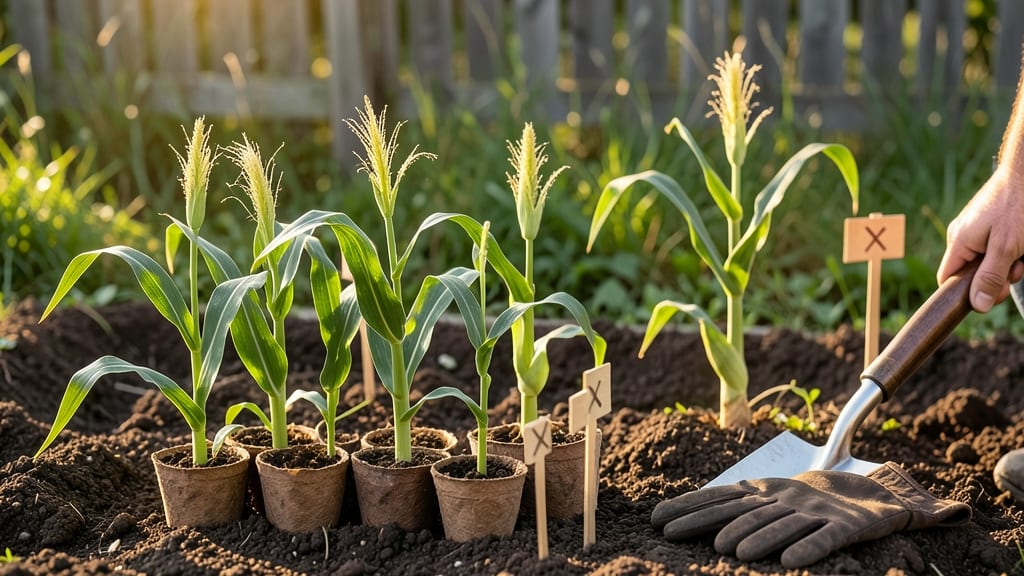
Planting corn in Portland, Oregon, starts with timing it right after the last frost — typically mid-April to early May — when soil hits 60°F and stays warm.
Portland’s unpredictable weather can turn corn planting from a rewarding harvest into a gamble—unless you time it perfectly with the city’s unique microclimates.
Too early, and a late frost will kill tender seedlings. Too late, and you risk stunted growth before the first frost hits in November. The key? Watching soil temps and adjusting for your neighborhood’s microclimate.
Below, I’ll break down the ideal planting window, soil prep tips, and how to choose the best corn varieties for Portland’s short growing season.
Portland’s ideal corn planting window: soil temps and frost dates
Portland’s unpredictable spring weather makes timing your corn planting a critical decision. Unlike many crops, corn thrives only when soil temperatures consistently stay above 50°F, and frost-free conditions are guaranteed.
In Portland’s USDA Zone 8a/8b, these factors create a narrow window where success hinges on precise timing and microclimate awareness.
Corn seeds won’t germinate below 50°F soil temperatures, and young plants can’t survive even light frosts. Portland’s average last frost date hovers around March 15, but urban heat islands and river valleys can shift this by 1-2 weeks.
Rural areas like Hillsboro often warm up faster, while St. Johns may linger colder due to humidity. This variability means your planting date could differ by 3 weeks depending on location.
To maximize your harvest, aim to plant corn when daytime temperatures stay above 60°F for at least 5 consecutive days. This typically falls between mid-April and early May in most of Portland.
However, planting too early risks frost damage, while waiting too long may shorten your growing season and reduce yields. The key is balancing these factors with your chosen corn variety’s maturity time.
Here’s how Portland’s microclimates affect your planting schedule:
For reliable germination, use a soil thermometer to confirm temperatures. Corn seeds need consistent warmth—if daytime highs dip below 65°F for more than 3 days, germination slows dramatically.
I’ve found that planting in blocks (not rows) improves pollination, which is especially critical in Portland’s cooler, windier conditions that can scatter pollen.
If you’re in a warmer microclimate like Beaverton or Hillsboro, you might squeeze in a second planting around June 1 for a late-summer harvest. However, this requires fast-maturing varieties (under 85 days) to avoid frost.
Always monitor 7-day forecasts before committing to late plantings, as unexpected cold snaps can devastate young corn.
One common mistake I see is planting corn too early in hopes of an extended season. Young corn plants can’t tolerate even light frosts, and their roots struggle in cold soil. Instead, wait until you’ve seen 3 consecutive days above 60°F—this is your green light to plant.
For extra protection, use row covers or plant near windbreaks to shield tender seedlings from Portland’s infamous spring winds.
Remember that soil temperature matters more than air temperature. Dark, moist soil warms faster than dry or sandy soil. If your garden sits in full sun and you’ve amended it with compost, you might plant 1 week earlier than the averages above.
For container-grown corn, use black pots to absorb heat and accelerate warming.
To track Portland’s real-time planting conditions, check resources like the Oregon State University Extension Service or local weather stations. They provide daily soil temperature updates that can help you fine-tune your planting date.
With the right timing, you’ll go from seed to ear in just 75-100 days, turning Portland’s short growing season into a corn-growing success.
Microclimate adjustments: planting zones within Portland
Portland’s geography creates distinct microclimates that can shift your corn planting window by weeks. The Eastside (Hillsboro) enjoys warmer temperatures, while the Westside (St. Johns) stays cooler and damper.
River valleys near the Columbia Gorge experience unique temperature swings. Understanding these zones helps you avoid frost damage and maximize your harvest.
For example, gardeners in Hillsboro (USDA Zone 8b) can plant corn as early as late March when soil warms to 55°F. Meanwhile, St. Johns (Zone 8a) gardeners should wait until mid-April to avoid late frosts. These adjustments ensure your corn gets the 90-100 frost-free days it needs to mature.
Here’s how to adjust your planting schedule based on Portland’s key microclimates:
If you’re in a warmer microclimate like Hillsboro, consider planting early-maturing varieties (75-85 days) to extend your harvest into September. For cooler areas like St. Johns, opt for disease-resistant hybrids that tolerate humidity better. Use row covers if planting early to protect seedlings from unexpected cold snaps.
Extend your growing season by planting successive crops every 2 weeks in warmer zones. For example, Hillsboro gardeners can squeeze in two harvests by planting the first batch in late March and a second in early May.
In cooler areas, focus on one robust planting with the best disease-resistant varieties to ensure success.
Monitor your local soil temperature with a soil thermometer—corn needs 60°F+ soil for reliable germination. Adjust your planting date if temperatures lag behind averages. With these microclimate adjustments, you’ll turn Portland’s unpredictable weather into an advantage for a bountiful corn harvest. 🌽