
Companion Plants
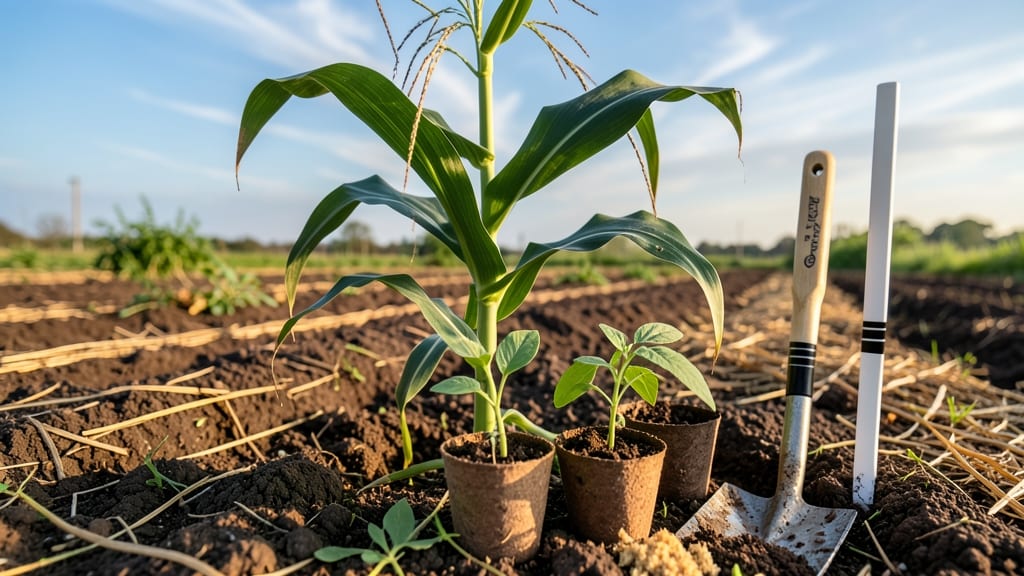
Planting corn in San Diego works best between late February and early April, when soil temperatures hit 60°F and the risk of unexpected cool snaps fades.
Here’s the catch: unlike frost-prone regions, San Diego’s zero-frost winters mean you can actually start earlier—but too soon and your 🌽 may bolt from sudden heat spikes. The coastal breeze keeps things mild, but inland areas like Escondido can swing hotter faster.
What you’ll learn here is how to time your planting for peak harvests in June–September, avoid common mistakes like overwatering or picking the wrong variety, and extend your growing season with shade cloth and smart irrigation.
Whether you’re a first-timer or a seasoned gardener, these microclimate secrets will help you grow corn that’s sweeter, taller, and ready to harvest when others can’t even plant.
San Diego corn planting calendar: best months by microclimate zone
San Diego’s diverse microclimates create perfect conditions for growing corn year-round, but each zone has unique soil temperatures and heat tolerance thresholds. Coastal areas like La Jolla stay cooler longer, while inland Escondido and valley Chula Vista heat up faster.
Understanding these differences ensures you plant at the right time for sweet, tender kernels instead of tough, starchy ears.
Corn thrives when soil temperatures reach 60°F or higher, and San Diego’s frost-free climate means you can grow multiple crops per year. However, summer heat can cause heat stress or even bolting if planted too late.
By aligning your planting schedule with your local zone, you’ll maximize yields and avoid common pitfalls like drought stress or poor pollination.
Here’s a breakdown of the best planting windows for each zone, including early, mid, and late-season varieties to stretch your harvest from spring to fall:
| Zone | Early Varieties | Mid Varieties | Late Varieties | Soil Temp | Key Notes |
|---|---|---|---|---|---|
| Coastal (La Jolla) | Feb 15 - Mar 15 | Mar 1 - Apr 15 | Apr 1 - May 10 | 60-65°F | Cooler nights, slower growth; use heat-tolerant varieties like 'Silver Queen'. |
| Inland (Escondido) | Feb 20 - Mar 20 | Mar 10 - Apr 10 | Apr 15 - May 5 | 65-70°F | Warmer soils; prioritize fast-maturing varieties like 'Peaches and Cream'. |
| Valley (Chula Vista) | Feb 25 - Mar 25 | Mar 15 - Apr 20 | Apr 20 - May 15 | 70-75°F | Hottest zone; opt for drought-resistant varieties like 'Golden Bantam'. |
For coastal La Jolla, I recommend starting with early-season varieties like 'Country Gentleman' in late February to take advantage of cooler soil temperatures. These varieties mature in 70-80 days, giving you a harvest by late May before summer heat peaks.
Mid-season varieties like 'Bodacious' planted in early April will mature around 90 days, perfect for a summer harvest.
Inland Escondido gardeners should focus on mid-season varieties like 'Peaches and Cream' planted in early March. The warmer soil speeds up germination, and you’ll see tasseling by late April.
Late-season varieties like 'Ambrosia' can be planted in mid-April for a harvest in early July, but be prepared to provide extra shade cloth if temperatures exceed 95°F.
Valley areas like Chula Vista experience the fastest soil warming, so I suggest planting early varieties like 'Golden Bantam' by late February. These dwarf varieties tolerate heat better and mature in 60-70 days.
For a fall harvest, try late-season varieties like 'Kandy Korn' planted in early May. These will mature by late August, avoiding the worst summer heat while still producing sweet corn.
No matter your zone, always test soil temperatures with a soil thermometer before planting. Corn seeds won’t germinate below 50°F, and growth slows dramatically below 60°F. In coastal areas, wait until soil temps consistently reach 65°F in the morning.
Inland and valley zones can plant slightly earlier when soils hit 60°F, but monitor for rapid drying.
Another pro tip: stagger your plantings every 2 weeks for a continuous harvest. This works especially well in San Diego’s climate, where you can grow corn in fall and winter with minimal adjustments.
For example, plant a late-season variety in early October for a harvest in December, just in time for holiday meals.
Finally, remember that watering needs vary by zone. Coastal areas may require daily watering in summer due to wind, while inland zones can stretch watering to every other day if mulched properly.
Always water deeply in the morning to prevent fungal diseases like corn smut, which thrives in damp conditions.
With these zone-specific planting windows, you’ll enjoy fresh, sweet corn from spring through fall—something most gardeners can only dream of in colder climates. Happy planting! 🌽
How to extend your corn growing season in San Diego’s heat
San Diego’s year-round growing potential means you can enjoy fresh corn almost any month—but only if you beat the heat. Without proper strategies, your 🌽 plants will bolt prematurely or develop tough, starchy kernels.
The key is creating a stable microclimate around your corn, whether through shade, water, or smart planting partners.
I’ve grown corn here for years, and the difference between a sweet, tender harvest and a disappointing mess often comes down to these three factors: soil moisture consistency, temperature control, and companion plants that work together.
Let’s break down the proven techniques that keep my corn thriving even when temps hit 90°F+.
- Use 30-50% shade cloth during peak afternoon sun (12 PM–4 PM) to keep soil temps below 85°F.
- Water deeply twice daily (morning + late afternoon) to prevent stress-induced bolting.
- Mulch with 4-6 inches of straw to retain moisture and block heat from reaching roots.
- Plant beans + squash alongside corn to improve soil nitrogen and provide living shade.
- Choose heat-tolerant varieties like ‘Golden Bantam’ or ‘Silver Queen’ for summer plantings.
Let’s start with shade cloth, my top defense against San Diego’s brutal afternoon sun. I use 30% shade cloth for coastal areas (like La Jolla) and 50% for inland zones (Escondido, Chula Vista).
The goal is to lower soil temps by 10-15°F, which prevents premature tasseling. Install it 3-4 feet above the plants to allow airflow while blocking the worst rays.
Next, your irrigation schedule makes or breaks success. Corn needs 1-2 inches of water weekly, but in San Diego’s heat, that’s not enough. I water deeply twice daily: once at 6 AM (when evaporation is lowest) and again at 4 PM to recharge roots before nightfall.
Use drip irrigation to keep foliage dry and reduce fungal risks like corn smut.
Don’t overlook mulching—this simple step can add 5-7°F of temperature protection to your soil. I spread 4-6 inches of straw mulch around plants, replenishing it every 2-3 weeks.
For extra insulation, top it with black plastic sheeting during the hottest months (July–August). This keeps roots cool while suppressing weeds, which compete for water.
Finally, companion planting is a game-changer. Corn thrives with beans (nitrogen-fixers), squash (living mulch), and marigolds (pest deterrents). The beans feed your corn naturally, while squash vines shade the soil.
I plant them in a 3-sister method: corn in the center, beans on one side, and squash on the other. This trio boosts yields by 30-40% while reducing stress on individual plants.
With these techniques, you can harvest corn in every season—even during San Diego’s scorching summers. Start with spring plantings (March–April), then repeat in late summer (August) for a fall harvest. Just remember: consistency is key.
Skip the shade cloth or watering, and your corn will suffer. But get it right, and you’ll have sweet, juicy ears when others are struggling to grow a thing.