
Plants
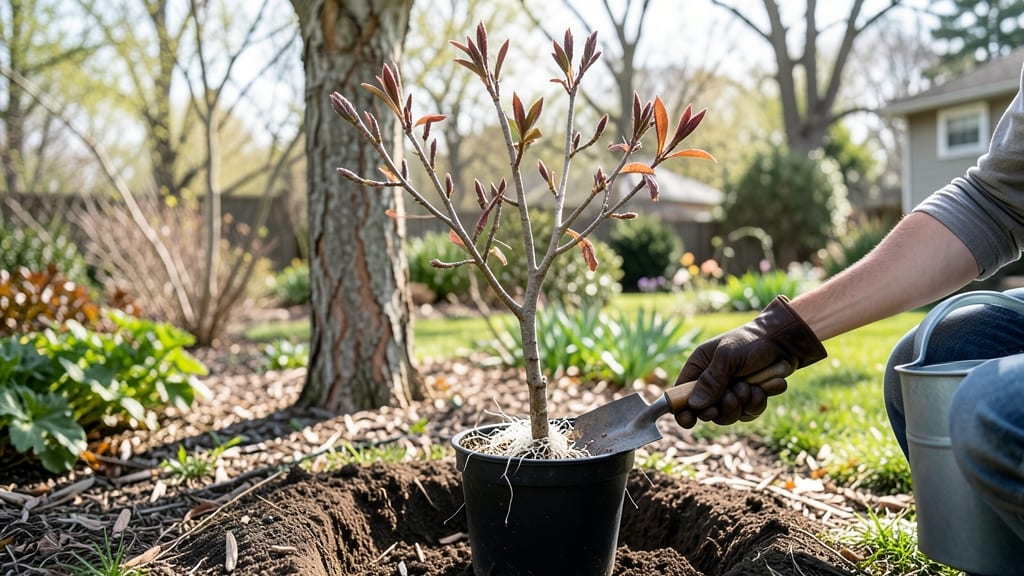
Planting crape myrtle 🌸 in Zone 9 during winter months gives your tree the best shot at strong roots before summer heat arrives.
Picture this: you’ve just bought your crape myrtle, and you’re eager to get it in the ground—but if you wait too late, the intense Zone 9 sun can stress young plants before they’ve had a chance to establish.
Timing isn’t just about avoiding frost (which is rare here); it’s about beating the heat and giving roots a fighting chance.
Zone 9’s winter planting window—December through February—is the golden period for crape myrtles. This schedule lets you take advantage of cooler temperatures, consistent rainfall, and shorter daylight hours, all of which help the tree focus on root growth instead of leaf production.
In this guide, I’ll walk you through the exact months to plant, how to prep your soil for Zone 9’s unique climate, and what to watch for in the first few weeks after planting—so you can avoid common mistakes and set your crape myrtle up for years of vibrant blooms.
Optimal planting windows for crape myrtle in Zone 9 (with climate considerations)
Zone 9 gardeners know timing is everything when planting crape myrtles. These stunning ornamental trees thrive when planted during cooler months, but Zone 9’s microclimates—especially coastal vs. inland—create unique challenges. Planting too early risks heat stress, while waiting too long delays root establishment before summer’s intensity.
Let’s break down the ideal planting windows and how to adapt for your specific Zone 9 location.
In most of Zone 9, the sweet spot for crape myrtle planting is late winter to early spring (December through February). This window ensures soil temperatures are cool enough for root development while avoiding the oppressive summer heat that can shock young plants.
Coastal areas may extend this slightly into early March due to milder temperatures, while inland regions should aim for January to February to avoid sudden heat spikes.
Soil temperature is your best guide: aim for 60-70°F at 6 inches deep. Use a soil thermometer to check—this threshold ensures roots grow actively without overheating. Inland Zone 9 can hit 80°F+ soils by March, which stresses young crape myrtles. Coastal zones stay cooler longer, giving you a 2-3 week buffer for early spring planting.
For those who prefer fall planting, late fall (November) works in coastal Zone 9 where nights stay mild. However, inland areas should avoid fall planting entirely—unpredictable cold snaps can damage tender roots before they establish.
If you’re in a transition zone (like parts of Southern California), err on the side of winter planting for safety.
If you’re in coastal Zone 9 (e.g., San Diego, Santa Barbara), you can push planting into early March thanks to milder temperatures and higher humidity.
However, inland areas like Phoenix or Las Vegas should never plant after mid-February—soil can heat up rapidly, causing root burn in young crape myrtles. Always monitor weather forecasts for heatwave warnings; even a 10-day heat spike above 95°F can stall root growth.
For container-grown crape myrtles, timing shifts slightly. Potted plants can handle early spring planting (March) better than bare-root ones because their roots are already established. However, they still need consistent moisture during summer’s dry spells.
If you’re planting in containers, choose a larger pot (20+ gallons) to reduce heat stress on roots.
One common mistake in Zone 9 is waiting until summer to plant crape myrtles, thinking the heat won’t bother them. Wrong—young plants need 6-8 weeks of cool weather to establish roots before summer’s intensity.
By planting in winter or early spring, you give your crape myrtle a head start before the 100°F+ temperatures arrive. This is why December-January is the golden window for most of Zone 9.
Pro
How to prepare your crape myrtle for Zone 9 planting (soil, sun, and watering tips)
Zone 9’s unique climate—warm winters, intense summer heat, and occasional humidity spikes—demands special preparation when planting crape myrtles. The right soil mix, sun exposure, and watering routine will help your tree thrive despite these challenges.
Let’s break down the essential steps to set your crape myrtle up for success.
Start by selecting a planting spot with full sun exposure (at least 6-8 hours daily). Crape myrtles love warmth, but Zone 9’s summer heat can be brutal—choose a location with afternoon shade if possible, especially for inland areas.
Coastal regions can handle more direct sun, but always monitor for heat stress signs like wilting or yellowing leaves.
⚠️ callout-warning
Zone 9’s summer heat (above 90°F) can shock young crape myrtle roots. Plant in late winter (Dec-Feb) when soil temps are 60-70°F—this gives roots time to establish before summer stress. Never plant in June-August unless using shade cloth for the first 30 days.
💡 Pro Tip:
Test soil moisture before planting—if it’s bone-dry, water deeply 24 hours beforehand to reduce transplant shock.
For soil preparation, Zone 9 gardeners face two extremes: sandy soils (common inland) or clay-heavy soils (coastal areas). Amend sandy soil with 25% compost and 10% peat moss to retain moisture, while clay soils benefit from 50% perlite or coarse sand to improve drainage.
Aim for a slightly acidic to neutral pH (6.0-7.0)—test your soil with a kit before planting.
Once planted, watering is critical during Zone 9’s dry spells. New crape myrtles need 1-1.5 inches of water weekly for the first year, delivered in deep soakings (not frequent light watering).
Use drip irrigation or soaker hoses to keep water at the root zone and avoid wetting foliage, which can encourage powdery mildew in humid months.
After the first year, reduce watering to every 10-14 days—crape myrtles are drought-tolerant once established. However, monitor for leaf scorch (brown edges) during heatwaves and adjust by watering every 5-7 days temporarily.
Mulch with 3 inches of organic mulch (like wood chips) to conserve moisture and regulate soil temperature.
Finally, prune your crape myrtle right after flowering (late summer) to shape it and remove dead wood. This encourages next year’s blooms while maintaining airflow to prevent fungal issues. With these Zone 9-specific adjustments, your crape myrtle will flourish for years with minimal stress.