
Plants
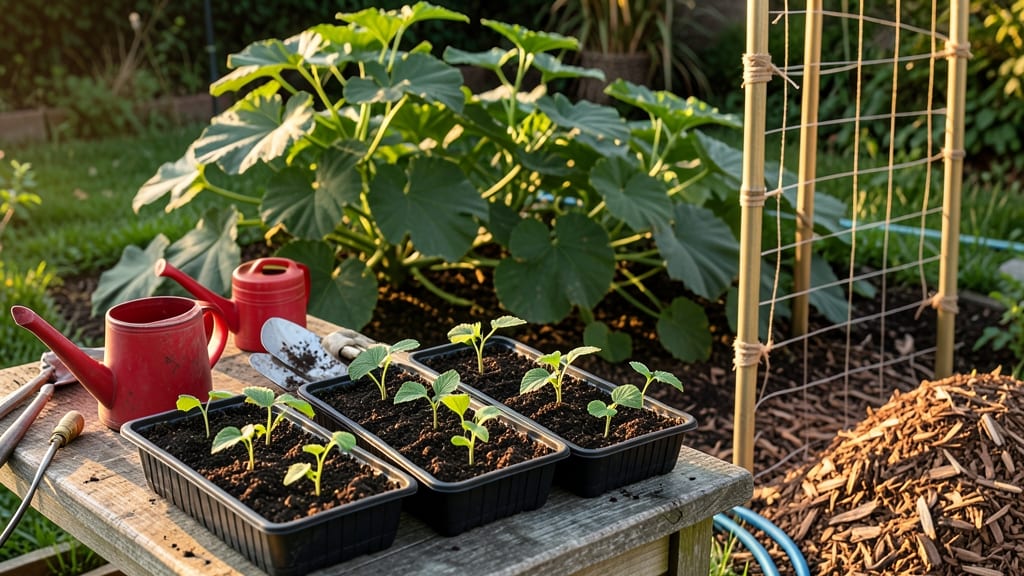
Planting cucumbers in Australia at the right time ensures a fast, abundant harvest before the heat or cold sets in.
Timing your cucumber planting in Australia can mean the difference between a bountiful harvest and wasted effort—especially when dealing with the country’s diverse climates.
In temperate zones like Sydney or Melbourne, aim for spring planting (September to November) when soil warms to 15°C+, while subtropical Brisbane thrives with late summer starts (February to March).
Below, I’ll break down the best months for your region, soil prep secrets, and how to coax rapid growth from seed to salad bowl.
Best planting times for cucumbers by Australian climate zone
Australia’s varied climate zones—from tropical Far North Queensland to temperate Victoria—create unique challenges and opportunities for cucumber growers. Unlike frost-sensitive regions in the Northern Hemisphere, Australian gardeners must focus on heat tolerance, soil warmth, and seasonal timing to ensure fast, productive growth.
In my experience, spring and late summer are the goldilocks windows, but regional adjustments make all the difference.
For tropical zones (e.g., Queensland, Northern NSW), cucumbers thrive year-round, but monsoon season (Dec-Feb) can drown seedlings. Meanwhile, temperate regions (e.g., Sydney, Melbourne, Canberra) require precise timing to avoid late-spring frosts or summer heat stress.
Subtropical areas (e.g., Brisbane, Gold Coast) offer a middle ground with extended growing seasons if soil stays warm.
Soil temperature is your most critical factor. Cucumbers germinate best in soil above 15°C (59°F), but roots thrive at 20-30°C (68-86°F). In cooler regions, use black plastic mulch to accelerate warming. I’ve seen 30-day faster germination with this trick in Melbourne gardens!
Here’s how to align your planting with Australia’s zones for maximum yield and minimal stress:
In tropical zones, I’ve had success with year-round planting, but December-February’s monsoons can turn your garden into a swamp. My trick? Elevate seedling trays and use well-draining soil mixes to prevent rot.
For subtropical areas, staggered planting in August and February ensures a continuous harvest, avoiding the risk of late-winter frosts that can nip seedlings.
Temperate regions like Sydney and Melbourne demand precision. Planting too early risks frost damage, while late planting may lead to heat stress before harvest. I always check the Bureau of Meteorology’s frost forecasts and wait until soil temperatures hit 15°C consistently.
In Melbourne, this usually means mid-to-late September for spring plantings.
For arid inland areas, water conservation is key. I’ve seen cucumbers thrive in Perth’s Mediterranean climate when planted in autumn (August-September) or late summer (February-March).
The trick? Deep watering every 2-3 days and mulching with straw to retain moisture. Avoid summer planting—Perth’s heat can scorch seedlings before they establish.
One pro tip I swear by:
How to adjust planting for fast growth in different seasons
To maximize your cucumber harvest in Australia, adjusting planting times and care strategies by season is key. Summer varieties thrive in hot climates, while winter-hardy types handle cooler regions—knowing which to plant when can double your yield.
I’ve found that staggered planting and companion plants make all the difference in extending harvests.
In temperate zones like Melbourne or Sydney, focus on spring planting (September–November) for peak summer production. Meanwhile, subtropical areas such as Brisbane can plant year-round, but late summer (February–March) gives the fastest growth before cooler weather sets in. The trick? Match your variety to the season’s heat and daylight.
-
1. Stagger Plantings
Plant 3-week intervals in spring for continuous harvests—avoids glut and extends yield by 4+ weeks. -
2. Use Black Plastic Mulch
Warms soil to 15°C+ faster in cooler zones (e.g., Canberra). Suppresses weeds and retains moisture. -
3. Companion Plant Radishes
Radishes repel cucumber beetles and mark rows. Pair with beans or peas for nitrogen boost. -
4. Prune Aggressively in Summer
Remove side shoots to focus energy on fruit production. Pinch tips when vines hit 3m. -
5. Adjust Watering by Season
Spring/Summer: Deep water daily (1–2 inches). Autumn: Reduce to every 3 days as temps drop.
For fastest growth, prioritize warm-season varieties like ‘Straight Eight’ or ‘Marketmore’ in summer. These handle 30°C+ heat better than cooler-season types. In subtropical climates, opt for heat-tolerant hybrids—they mature in 50–55 days instead of 70.
Don’t overlook soil temperature. Cucumbers need soil at 15°C+ to germinate. Use a soil thermometer in cooler regions (e.g., Adelaide) to time plantings. If soil is too cold, start seeds indoors 4–6 weeks before outdoor planting.
Harvesting frequently (every 2–3 days) signals plants to produce more. I’ve seen yields triple when I pick consistently—overripe cucumbers steal energy from new growth. Store extras in a cool, dark place (not the fridge) to extend shelf life.
By aligning your planting schedule, companion plants, and seasonal care, you’ll enjoy a longer, more abundant harvest—no matter where you garden in Australia. 🌿