
Plants
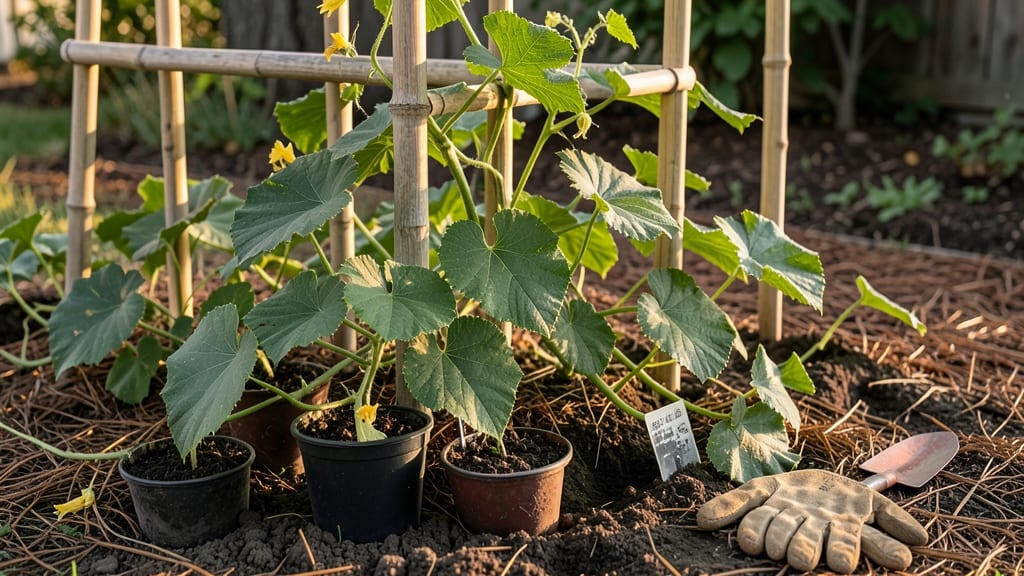
Plant cucumbers in Zone 5 after your last frost date — typically mid-to-late May — when soil temperatures hit 60°F or warmer for consistent germination.
Zone 5 gardeners know timing is everything—plant cucumbers too early, and frost will strike; too late, and your harvest shrinks. The secret to bumper 🥒 lies in mastering the frost-free window, soil temps, and succession planting.
Cucumbers thrive in warm soil, so rushing them before the last frost can leave you with leggy, weak plants that struggle to produce. Waiting until late May ensures your vines get the 6-8 hours of full sun they crave and the heat they need to set fruit.
In this guide, I’ll break down the exact frost-free timeline, how to extend your harvest with row covers, and the 3 biggest mistakes that kill cucumber yields in Zone 5 — so you can go from seed to salad in record time.
Zone 5 cucumber planting dates: exact frost-free timeline by last spring frost
Cucumbers are heat-loving plants that need warm soil and consistent temperatures to thrive. In Zone 5, where last frost dates range from April 15 to May 15, timing your planting correctly can mean the difference between a bountiful harvest and a failed crop.
The key is waiting until both the air and soil have warmed enough to support their rapid growth.
For most of Zone 5, cucumbers should be planted 2-3 weeks after your average last frost date. This gives the soil time to reach the ideal temperature of 60°F+, which is critical for seed germination and seedling survival.
If you plant too early, a late frost can wipe out your tender seedlings in minutes.
Here’s the exact timeline you need to follow, including backup dates for late frosts and regional variations within Zone 5:
If you’re in northern Zone 5 (like Chicago or Detroit), where frosts linger longer, start seeds indoors 4-6 weeks before your last frost date. This gives you a head start on the growing season.
For southern Zone 5 (like St. Louis or Pittsburgh), you can often direct-sow after May 15, but always check your local frost-free date for accuracy.
For Denver or Salt Lake City, where nights can stay chilly, wait until June 1 at the earliest and choose fast-maturing varieties like 'Straight Eight' or 'Marketmore'.
These can go from seed to harvest in just 50-55 days, giving you a better chance of success before the first frost in early October.
One of my favorite tricks for Zone 5 cucumbers is using black plastic mulch. This warms the soil 5-10°F faster than bare ground, allowing you to plant 1-2 weeks earlier without frost risk.
Simply lay the mulch down 1-2 weeks before planting and cut small holes for your seedlings or seeds.
Always test your soil temperature with a soil thermometer before planting. Cucumbers won’t germinate well in soil below 55°F, and seedlings may rot if planted in cold, damp soil. If your soil is still too cool, wait another week or use a cold frame to accelerate warming.
Pro tip: Keep a planting journal to track your local frost dates and soil temperatures. Over time, you’ll spot patterns that let you fine-tune your cucumber planting schedule for maximum success.
For example, I’ve found that in my Zone 5b garden, planting after May 20 consistently yields better results than earlier dates.
Remember, cucumbers are short-season crops in Zone 5. If you miss the ideal window, don’t despair—you can still try bush varieties in late July for a small fall harvest. Just be prepared to protect them with row covers if temperatures dip below 50°F at night.
🌱
How to extend your Zone 5 cucumber season with succession planting
In Zone 5, cucumbers thrive with warm soil and long summer days, but the growing season feels short. The key to multiple harvests lies in succession planting—strategically spacing out plantings to keep cucumbers producing from June through September.
With the right approach, you can enjoy fresh cucumbers until Labor Day or beyond!
Start by choosing cold-tolerant varieties like 'Northern Pickling', which handles cooler soils better than heat-loving types. Pair this with row covers to shield young plants from late frosts and extend the season.
By staggering plantings every 2-3 weeks, you’ll create a continuous harvest cycle that keeps your kitchen stocked all summer.
Here’s exactly how to time your succession plantings for maximum yield in Zone 5:
- 📅 First Planting: May 15-30 (after last frost, when soil hits 60°F+)
- 🌱 Second Planting: June 10-20 (2-3 weeks after first, for peak summer harvest)
- 🔄 Third Planting: July 1-10 (late-season push with row covers)
- 🌡️ Soil Prep: Use black plastic mulch to warm soil faster and retain moisture
- 🛡️ Protect Young Plants: Cover seedlings with frost blankets if nights dip below 50°F
For the late-July planting, focus on shorter-day varieties like 'Straight Eight', which matures faster in cooler late-summer temps. Pair this with drip irrigation to keep roots cool and prevent bolting. If frost threatens, use low tunnels to trap heat and extend growth by 2-3 weeks.
Don’t forget to harvest consistently—picking cucumbers every 2-3 days encourages more production. Save seeds from your best performers to grow heirloom varieties next year, tailored to your Zone 5 climate. With these strategies, you’ll turn your short season into a long harvest!
Pro tip: Companion plant cucumbers with radishes or nasturtiums to deter pests and improve flavor. This combo keeps your garden productive and pest-free all season long. 🌿