
Plants
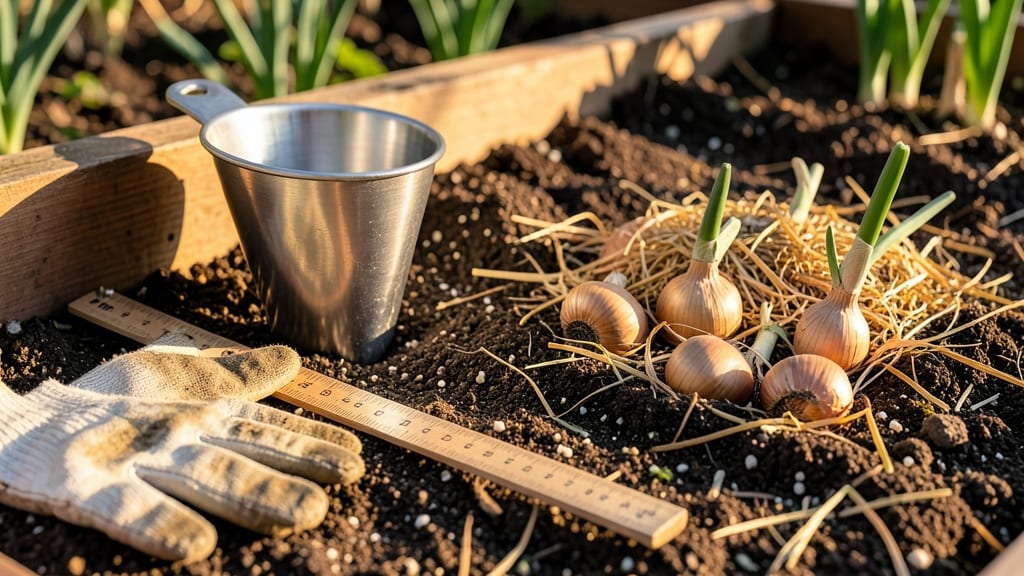
Planting daffodil bulbs in Virginia between October and November ensures they root before winter’s chill, setting the stage for vibrant spring blooms 🌼.
Virginia gardeners know the key to vibrant spring blooms lies in timing—plant daffodil bulbs too early, and they’ll rot; too late, and they’ll miss the ideal growing window. Mastering the perfect moment ensures your garden bursts with color year after year.
With Virginia’s USDA Zone 6a-8a climate, the best window is six to eight weeks before the ground freezes, usually landing between mid-October and mid-November. This schedule lets bulbs establish roots while avoiding the heat of summer or the risk of winter frost.
Below, I’ll break down the exact dates for your region, soil prep tips, and how to adjust if you miss the fall window—so you can confidently plant and enjoy next year’s display.
Best planting months for daffodils in Virginia’s USDA Zone 7b
Timing is everything when planting daffodil bulbs in Virginia’s Zone 7b. The ideal window falls between mid-October and early November, when soil temperatures drop below 60°F but before the ground freezes.
This 6-8 week window before winter ensures bulbs establish roots while avoiding rot from wet soil. Missing this window? Spring planting is possible but less reliable for strong blooms.
For Zone 7b Virginia, the first frost typically arrives around November 1, so aim to plant bulbs by mid-October at the latest. Early planting in late September works for hardier varieties, while December planting risks frost damage before roots form.
Moon phases also play a role—planting during a waxing moon (when roots grow upward) can boost success.
Soil temperature is critical. Daffodils need 50-60°F soil to root without rotting. Use a soil thermometer to confirm readiness—plant when temps consistently stay below 60°F at 4-inch depth. In Virginia’s climate, this usually aligns with late October in most regions.
| Planting Window | Soil Temp (°F) | Moon Phase | Virginia Dates | Notes |
|---|---|---|---|---|
| Early Season | 55-60°F | Waxing Moon | Late Sept - Early Oct | Best for hardy varieties |
| Ideal Window | 50-55°F | Full Moon | Mid-Oct - Early Nov | Optimal for most daffodils |
| Late Season | 45-50°F | Waning Moon | Late Nov - Early Dec | Risk of frost damage |
| Spring Backup | 40-50°F | Any Phase | Feb - Early Mar | Weaker blooms possible |
Spring planting is an option if you miss fall, but results vary. Plant daffodil bulbs in February or early March when soil reaches 40-50°F. However, bulbs may produce smaller blooms since they lack the root establishment time of fall planting.
For best results, prioritize fall planting and use spring as a last resort.
Moon phases influence planting success. A waxing moon (when the moon grows brighter) encourages root growth downward, while a waning moon (when it shrinks) can lead to weaker root systems.
Check a lunar calendar for Virginia’s Zone 7b and align planting with the full moon or waxing gibbous phases for optimal results.
Depth matters too. Plant bulbs 6-8 inches deep, with the pointy end up. In heavy clay soils common in Virginia, add compost or sand to improve drainage.
Space bulbs 4-6 inches apart for dwarf varieties and 6-8 inches apart for standard types. Proper spacing prevents overcrowding and ensures vibrant blooms.
Watering after planting is crucial. Give bulbs a deep watering immediately after planting, then water weekly until the ground freezes. Avoid overwatering—daffodils rot easily in soggy soil. Once established, they’re drought-tolerant, but consistent moisture during root growth (fall) is key for next spring’s blooms.
For Virginia’s microclimates, adjust timing slightly. In coastal areas, plant earlier (by 1-2 weeks) due to milder winters. In mountainous regions, wait until late October to avoid early frosts.
Urban areas may experience heat islands, so monitor soil temps closely—plant when they drop below 60°F.
Mark your calendar for these Virginia-specific deadlines: Early planting by October 15, ideal window until November 10, and last chance before frost by December 1.
With the right timing, your garden will reward you with vibrant daffodils by March or April, signaling the start of spring’s beauty. 🌼
How to adjust planting timing for Virginia’s microclimates
Virginia’s diverse geography—from coastal humidity to mountainous chill—creates unique microclimates that demand flexible planting strategies. While mid-October to November works for most of the state, gardeners in urban heat islands or high-elevation zones need to fine-tune their schedules.
Let’s break down how to adapt your daffodil bulb planting for these conditions.
In coastal Virginia (e.g., Norfolk, Virginia Beach), milder winters mean bulbs can rot if planted too early. Aim for late October to early November when soil temps drop below 60°F. Meanwhile, in mountainous regions (e.g., Shenandoah Valley), earlier frosts call for planting by mid-October to avoid winter exposure.
⚠️ callout warning
Virginia’s first frost varies by zone: Coastal (7b): Nov 10 Piedmont (7a): Oct 25 Mountains (6a): Oct 15 Plant bulbs 6-8 weeks before frost—soil should be cool but workable (40-50°F). Use a soil thermometer to check depth (4-6 inches).
✅ Pro Tip: In urban heat islands, test soil moisture weekly—dry spells can delay frost, extending the planting window by 2 weeks.
For urban gardeners, pavement and buildings trap heat, delaying frost. If your area stays above 50°F into December, opt for late November planting or use mulch (straw or leaves) to insulate bulbs. In contrast, rural or high-elevation spots may need earlier planting (early October) to establish roots before winter.
Missed the fall window? Spring planting is a backup, but success depends on soil drainage and cool temps. Plant bulbs in March (after last frost) in well-draining containers or raised beds. Expect smaller blooms the first year, but bulbs will mature for future springs.
Soil drainage is critical—waterlogged soil kills bulbs faster than frost. Amend heavy clay with compost or sand (1:1 ratio) before planting. In sandy soils (common in coastal areas), add organic matter (peat moss or coconut coir) to retain moisture.
Test drainage by digging a hole: if water pools after 6 hours, improve soil first.
Protect your investment with these microclimate-specific tips:
- Coastal: Plant deeper (8 inches) to escape humidity.
- Mountains: Choose hardy varieties (e.g., ‘Thalia’ or ‘Tête-à-Tête’).
- Urban: Use black plastic mulch to warm soil in fall.