
Plants
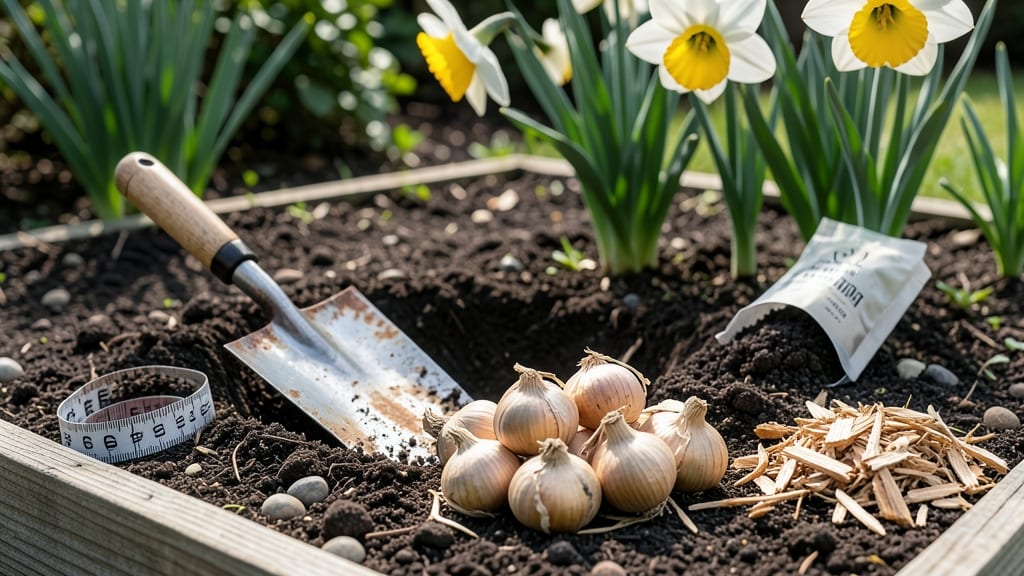
Planting daffodil bulbs in Oklahoma between September and November ensures they establish roots before winter’s first frost 🌼 — and that’s the key to blooms that steal the show next spring.
Oklahoma’s unpredictable winters can make or break your daffodil garden—plant too early, and frost ruins your blooms; too late, and they struggle to establish roots. Mastering the perfect planting window ensures vibrant spring flowers year after year.
In USDA Zone 7a-7b, aim for 6 weeks before the ground freezes, typically mid-October to early November. This timing lets bulbs root deeply while avoiding the risks of late planting or premature sprouting.
Below, I’ll break down the exact frost-free window for your area, soil prep tips, and how to adjust for Oklahoma’s variable weather—so you can plant with confidence and enjoy months of cheerful blooms.
Oklahoma’s ideal daffodil planting window by USDA Zone 7a-7b
Timing is everything when planting daffodil bulbs in Oklahoma. The 6-week pre-frost rule is your golden ticket to vibrant spring blooms—plant too early, and frost can damage emerging shoots; too late, and roots won’t establish before winter dormancy.
For USDA Zones 7a-7b, this means aiming for mid-October to early November, but microclimates like Oklahoma City’s urban heat vs. Tulsa’s slightly cooler temps can shift your perfect window by 1-2 weeks.
Oklahoma’s first hard frost typically arrives between November 15 (Zone 7a) and December 1 (Zone 7b). To give bulbs time to root, plant 4-6 weeks before that date.
Soil temperatures should hover around 50-60°F—warmer than that, and bulbs may sprout prematurely; cooler, and root growth stalls. Use a soil thermometer to check before planting.
Here’s how Oklahoma’s microclimates influence your timing:
| Location | Ideal Planting Window | Soil Temp Threshold | Key Consideration |
|---|---|---|---|
| Oklahoma City (Zone 7b) | Late October – Early November | 50-60°F | Urban heat delays frost; plant 1 week later than rural areas. |
| Tulsa (Zone 7a) | Mid-October – Late October | 50-55°F | Cooler microclimate; plant 2 weeks earlier to avoid early frost. |
| Western OK (e.g., Altus, Zone 7a) | Late September – Mid-October | 55-65°F | Drier climate; soil warms faster—plant 3 weeks earlier if soil stays dry. |
| Eastern OK (e.g., Muskogee, Zone 7b) | Early October – Late October | 48-58°F | Higher humidity; wait for soil to cool to 50°F before planting. |
If you’re planting in containers, adjust your timeline 1-2 weeks earlier—potted soil cools faster than in-ground soil. Choose well-draining containers (at least 6 inches deep) and place them in a sheltered spot to protect roots from temperature swings.
Mulch with 2-3 inches of straw after planting to insulate bulbs and retain moisture during Oklahoma’s unpredictable fall rains.
Pro tip: Mark your planting date on a calendar and set a reminder for 6 weeks later to test soil moisture.
If the ground feels rock-hard or icy, bulbs haven’t rooted deeply enough—wait until soil thaws in early spring to add a light top-dressing of compost to encourage root growth.
For late bloomers like ‘Ice Follies’, plant 2 weeks earlier than your zone’s ideal window—they need extra time to establish roots before Oklahoma’s late-winter freezes (which can dip below 20°F). Early bloomers like ‘Tête-à-Tête’ are more forgiving; they’ll tolerate slightly later planting if soil temps stay above 45°F.
Watch for premature sprouting (green shoots in late fall)—this happens when bulbs sense warmth too early. If it occurs, cover shoots with mulch to protect them from frost damage. You can also plant bulbs deeper (8-10 inches) in heavy clay soils to delay sprouting until spring.
Remember: Oklahoma’s frost dates shift yearly. Check the National Weather Service’s historical frost data for your county and adjust your planting by ±1 week if needed. For example, if your area had an early frost in 2022, plant 2 weeks earlier in 2023 as a precaution.
By mastering this 6-week window and accounting for your local microclimate, your daffodils will reward you with bold, early spring color—long before Oklahoma’s allergens peak in April. Happy planting! 🌼
How to adjust planting dates for Oklahoma’s unpredictable weather
Oklahoma’s weather can throw off even the most experienced gardener. One year, we’re digging in bulbs by early October, and the next, soil saturation from unseasonal rains delays everything until November. The key to success?
Flexibility. Daffodil bulbs need 4-6 weeks to establish roots before winter dormancy, but Oklahoma’s microclimates (like Oklahoma City’s urban heat vs. Tulsa’s cooler valleys) can shift that window by weeks.
If you’re staring at a soggy garden bed in late October, don’t panic—just adjust your strategy. The same goes for early planting in Zone 7a-7b: bulbs sprouting too soon risk frost damage.
I’ll walk you through how to test soil readiness, delay planting safely, and protect your investment from late freezes using only organic methods.
⚠️ callout-warning ⚠️
First, check your soil’s moisture and temperature. Stick a soil thermometer 4 inches deep—ideal temps for planting are 50-55°F. If it’s warmer, your bulbs may sprout prematurely. For moisture, squeeze a handful of soil: if it forms a loose ball but crumbles when tapped, it’s ready. If it’s waterlogged, wait 1-2 weeks or plant in raised beds with perlite or sand mixed in.
When delays hit, use organic mulch like straw or shredded leaves (3-4 inches thick) to insulate bulbs and regulate soil temps. For extra protection, cover the area with a frost blanket or even an old blanket secured with bricks if late freezes threaten.
Remove it during the day to prevent overheating. I’ve saved entire beds this way—never skip this step if temps dip below 20°F.
If you’re planting early (August-September) due to dry conditions, chill the bulbs first. Store them in a paper bag in your fridge’s crisper drawer for 6-8 weeks to mimic winter dormancy.
This prevents premature sprouting. After planting, water deeply but avoid overhead sprinklers—they can spread fungal diseases in Oklahoma’s humid fall air.
Remember, Oklahoma’s first hard frost typically arrives between November 15-30, but it’s not set in stone. Keep an eye on your local Cooperative Extension Service forecasts and adjust your timeline.
With these adjustments, your daffodils will reward you with bold spring blooms no matter what Mother Nature throws your way. 🌼