
Plants
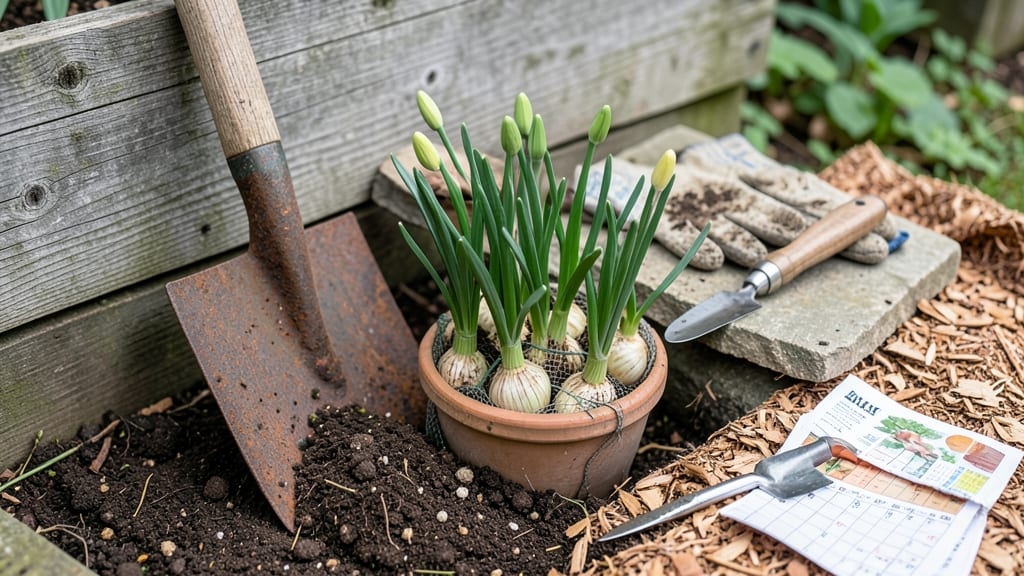
To plant daffodils in New York for bright spring blooms, aim for late September through November when soil cools but hasn’t frozen yet.
This is the golden window for those 🌼 bulbs to root before winter—miss it, and you risk weak growth or no flowers at all. New York’s 5b-7b climate demands precision, but with the right timing, daffodils will naturalize and multiply year after year.
Why does timing matter so much? Daffodils need 6-8 weeks of cool soil before the ground freezes to establish roots. Plant too early, and they’ll sprout and get fried by frost; too late, and they won’t wake up in spring.
In this guide, I’ll break down the exact months for your region, soil prep secrets, and how to protect your bulbs from New York’s unpredictable winters—so you can enjoy months of color without the guesswork.
Best planting months for daffodils in New York’s climate zones
New York’s diverse climate zones (USDA 5b-7b) create unique challenges for planting daffodil bulbs. Unlike spring-planted bulbs, daffodils thrive when planted in early fall, giving their roots time to establish before winter’s freeze.
In Zone 5b, this means planting between mid-September and mid-October, while Zone 7b gardeners have a slightly longer window—October through early November. The key is planting 6-8 weeks before the ground freezes, ensuring bulbs develop strong root systems before dormancy.
Many gardeners mistakenly plant daffodils too late in the season, often after the first frost. While daffodils are frost-resistant, planting in late November or December leaves bulbs vulnerable to rot or heaving from freeze-thaw cycles. The roots need time to anchor before winter sets in.
For Upstate New York, where winters are colder, aim for September planting to avoid risks. Meanwhile, Long Island and NYC can extend planting into early November due to milder winters.
Here’s a quick reference for New York’s USDA zones 5b-7b, including ideal planting windows and soil temperature goals:
If you’re unsure about your last frost date, check local weather records or use the National Weather Service’s frost calendar.
For most of New York, the average first frost falls between October 15 and November 1, but microclimates—like urban heat islands in NYC—can delay frost by 1-2 weeks. Planting too late risks bulb rot or poor root development, leading to weak or no blooms the following spring.
For container gardening, timing is equally critical. Plant potted daffodils in late September or October, ensuring pots have drainage holes. Move containers to a protected location (like a garage or under eaves) before consistent freezing temperatures hit.
In Zone 7b, this might mean moving pots indoors by mid-November, while Zone 5b gardeners should protect containers by early November.
One common mistake is assuming spring planting works for daffodils. While some bulbs (like tulips) can be planted in spring, daffodils require fall planting to establish roots. Spring-planted daffodils often fail to bloom or produce weak stems because their roots haven’t had time to grow.
If you miss the fall window, your only option is to wait until next year—daffodils won’t survive if planted in late winter or early spring.
To maximize success, pair your fall planting with proper soil preparation. Daffodils prefer well-draining soil with a pH of 6.0–7.0. Amend heavy clay soils with compost or sand to prevent waterlogging, which can cause bulbs to rot.
Plant bulbs 6 inches deep and 6 inches apart for standard varieties, or 3–4 inches deep for dwarf types. After planting, apply a 2-inch layer of mulch to insulate bulbs
How to adjust planting time by region in New York state
New York’s diverse climate means daffodil planting times vary dramatically from Upstate’s chilly winters to Long Island’s milder coastal breezes. Understanding your specific microclimate ensures bulbs establish roots before winter’s freeze.
Let’s break down the ideal planting windows for three distinct regions, including soil temperature and frost date considerations that make all the difference.
Upstate New York (USDA Zones 5b-6a) experiences the earliest frosts, often by mid-October. Here, daffodils need a 6-8 week head start to root before the ground freezes. NYC’s moderate climate (Zone 7a) allows a slightly extended window, while Long Island’s coastal influence (Zone 7b) pushes planting dates even later.
Each region’s unique conditions—like soil warming near the coast—affect when bulbs should hit the ground.
| Region | USDA Zone | Best Planting Window | Soil Temp (°F) | First Frost |
|---|---|---|---|---|
| Upstate NY | 5b-6a | September 15 - October 15 | 50-60°F | Mid-October |
| NYC Metro | 7a | October 1 - November 1 | 55-65°F | Late November |
| Long Island | 7b | October 15 - November 15 | 60-70°F | Early December |
For Upstate gardeners, aim to plant daffodils by October 15 when soil temperatures hover around 50-60°F. This timing ensures roots establish before the ground freezes, typically by mid-October.
In the NYC metro area, where winters are milder, you can push planting to early November—just be sure soil temps stay above 55°F for optimal root growth.
Long Island’s coastal microclimate extends the planting window even further. The warmer soil near the shore allows bulbs to be planted as late as mid-November, but avoid waiting too long—soil temperatures drop quickly after the first frost, usually in early December.
Always check your local frost date averages to fine-tune timing, as microclimates within regions can vary significantly.
One common mistake is planting too late, which leaves bulbs vulnerable to winter heaving or insufficient root development. To avoid this, use a soil thermometer to confirm temps are ideal before planting.
For Upstate areas, aim for 60°F soil; in coastal zones, 65°F is perfect. Mulching after planting helps insulate bulbs and maintain consistent soil temperatures through winter.
Pro tip: Mark your planting dates on a calendar and adjust yearly based on actual frost dates, not averages. A few extra weeks of warm soil can mean the difference between vibrant spring blooms and bulbs struggling to emerge.
With the right timing, your daffodils will reward you with bold color and frost-resistant beauty for years to come. 🌼