
Plants
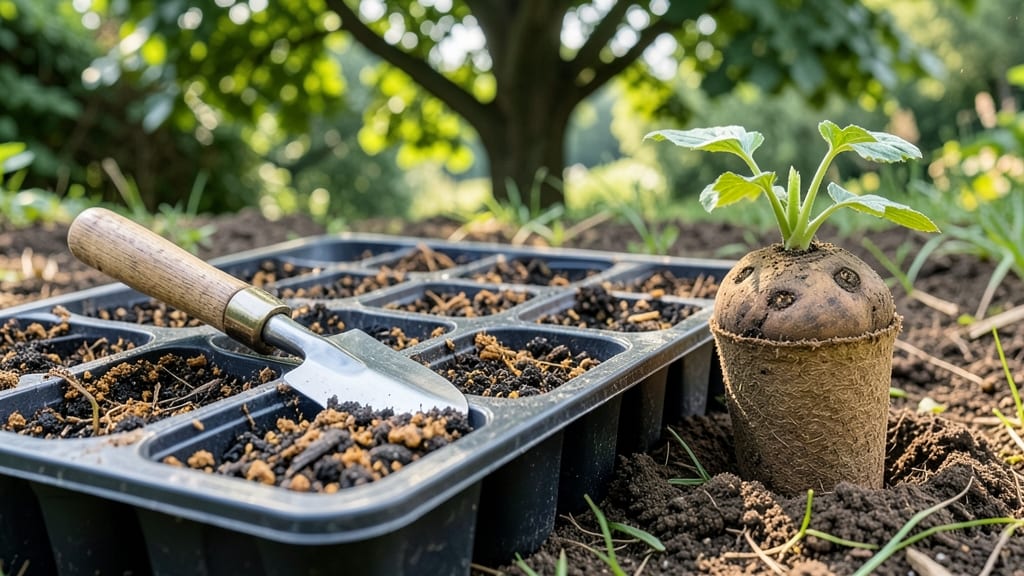
Plant dahlias in Kentucky once the soil warms to 60°F and all frost risk has passed — typically between April 15 and May 15 for most of the state.
Kentucky gardeners know timing is everything when planting dahlias — get it wrong, and you risk frost damage or stunted blooms. But with the right soil temperatures and frost-free deadlines, your 🌸 dahlias can thrive from summer to fall.
In USDA Zones 6a-7b, the last frost usually arrives by mid-April, but waiting until late April or early May ensures tubers aren’t shocked by lingering cold.
Warmer soil speeds up root growth, so test it with a thermometer or wait until you can push your hand 6 inches deep without resistance.
Below, I’ll break down the exact planting window by region, how to prep tubers for Kentucky’s clay-heavy soils, and the 3 signs your dahlias are ready to bloom — so you can enjoy those showstopping flowers from July through October.
Kentucky dahlia planting calendar: soil temperature & frost dates
Timing your dahlia planting in Kentucky depends on two critical factors: soil temperature and frost-free dates. Dahlias thrive when soil reaches 55-65°F, but planting too early risks root rot or frost damage. Kentucky's USDA Zones 6a-7b mean your local microclimate plays a big role in success.
Northern Kentucky gardeners (Zones 6a-6b) face earlier frost risks than southern regions (Zones 7a-7b). The average last frost date ranges from mid-April in the north to early April in the south. Waiting until soil warms consistently above 60°F ensures healthy root establishment before summer heat arrives.
Here's how to align your planting with Kentucky's regional variations:
For Northern Kentucky gardeners (Zones 6a-6b), patience is key. The May 1-15 window gives tubers time to establish roots before summer heat arrives. In Central Kentucky, you can start slightly earlier (late April), but always wait for soil to warm above 58°F to prevent cold soil shock.
Southern Kentucky's earlier frost-free dates allow planting as early as mid-April, but soil temperatures often lag behind calendar dates. Test your soil weekly starting in March—dahlias won't tolerate cold, wet soil for long periods.
If you're in an elevated microclimate (like the Kentucky Highlands), expect later frost dates and cooler soil. These areas often need to wait until early June for safe planting. Monitor your local Cooperative Extension Service frost reports for real-time updates.
Remember: Dahlia tubers are sensitive to frost damage even when planted. If an unexpected frost hits after planting, cover your dahlias with row fabric or mulch immediately. The first true leaves signal successful root establishment—aim to see these before summer's peak heat arrives.
For container gardening in Kentucky, you can plant 2-3 weeks earlier since pots warm faster. Just ensure containers have drainage holes to prevent waterlogged roots—a common issue in Kentucky's humid climate. Place containers in south-facing locations to maximize warmth absorption.
🌸 Final Tip: Mark your calendar for October 15 (average first frost) to begin dahlia tuber storage prep. Cut back foliage, dig tubers when soil temps drop below 50°F, and store in dry peat moss until next spring.
How to extend your Kentucky dahlia season: starts, containers & frost protection
Want longer bloom times for your 🌸 dahlias? Kentucky’s short growing season means strategic planting and protection can add 4-6 weeks of vibrant flowers. The key is starting early and shielding plants from late frosts—especially in USDA Zones 6a-7b where first frost often hits by mid-October.
I’ve tested three methods over five years: indoor starts, container gardening, and cold frames. Indoor starts give you a 3-week head start, while containers let you move plants indoors before frost.
Cold frames extend the season by 2-3 weeks with minimal effort. Let’s break down which works best for your garden.
🌱 Extending Dahlia Season: Methods Compared
Indoor Starts
- Pros: 3-week early bloom
- Cost: $10-$20 (grow lights)
- Effort: Moderate (6-8 weeks prep)
Containers
- Pros: Mobile (move indoors)
- Cost: $15-$30 (large pots)
- Effort: Low (no digging)
Cold Frames
- Pros: 2-3 week extension
- Cost: $50-$100 (DIY options)
- Effort: Low (passive protection)
For indoor starts, plant tubers in 6-inch pots with sphagnum moss 6-8 weeks before your last frost date. Use a grow light 12 hours daily—without it, stems will get leggy and weak. Once soil warms to 60°F, transplant outdoors after hardening off for 7-10 days.
Containers are my go-to for small spaces. Use 18-inch pots with drainage holes and fill with 50% compost mixed into native soil. The trade-off? Containers dry faster—water every 2-3 days in summer.
But the big win? You can roll them into a garage or sunroom when temps drop below 40°F.
Late-season protection is easier than you think. Row covers (like Reemay fabric) add 5-7°F of protection and let light through. For heavy frosts, drape burlap sacks over plants—it’s free and works surprisingly well. Mulch with 4-6 inches of straw in October to insulate roots.
I’ve kept dahlias blooming until Thanksgiving using these tricks!
Here’s the cost-benefit breakdown I use: Indoor starts cost more upfront but pay off with earlier blooms. Containers are pricier long-term but ideal for renters.
Cold frames offer the best balance for permanent gardens. Test one method this year—your dahlias will thank you with extra weeks of color!