
Companion Plants
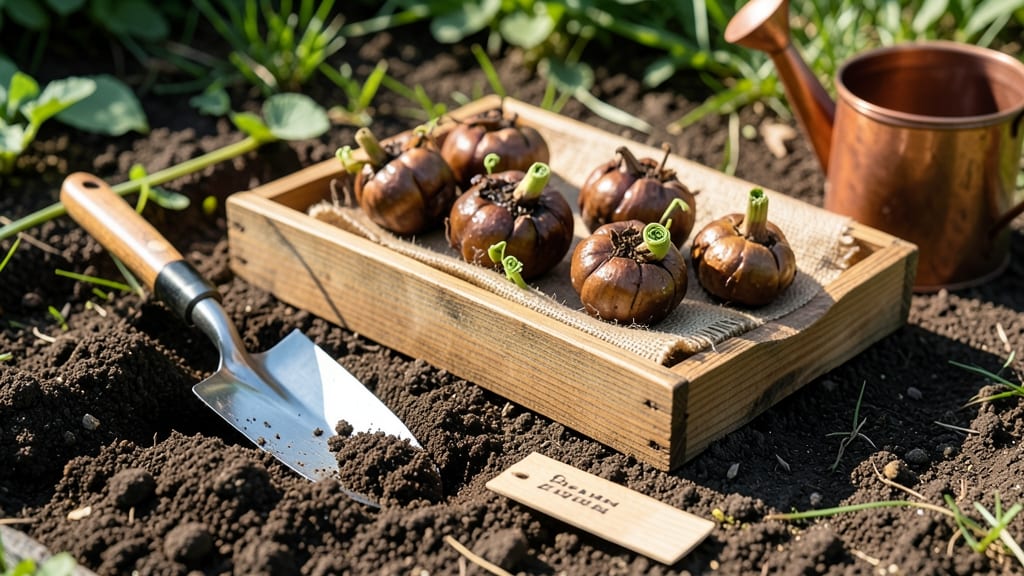
Plant dahlias in Zone 6b when soil temperatures hit a steady 60°F—usually 4-6 weeks after your last frost, or mid-to-late May for most of the region.
Dahlias thrive in Zone 6b—but planting them too early or late can mean lost blooms or frost damage. The secret to zero-frost success lies in soil temperature, not just calendar dates.
If you’ve ever watched your 🌼 dahlia tubers rot from cold soil or seen them bolt in the heat, you know timing is everything. Below, I’ll break down the exact cues to watch for—soil warmth, frost-free windows, and even how to jumpstart tubers indoors if your spring runs late.
You’ll learn how to test soil readiness, adjust for unpredictable Zone 6b weather, and extend your blooming season with simple frost protection tricks.
Zone 6b dahlia planting timeline: soil temperature rules over calendar dates
Forget memorizing frost dates—soil temperature is the real boss when planting dahlias in Zone 6b. While your neighbor might swear by planting after May 15, cold soil can still shock tender tubers.
Dahlias need consistent 55-60°F soil to thrive, and waiting for that warmth (not just air temperature) prevents rot and stunted growth.
Zone 6b's unpredictable late springs make calendar-based planting risky. One year might see frost-free soil by early May, while another could linger into June. Using a soil thermometer (just $10 at garden centers) gives you precise data to time your planting—because 60°F soil beats guessing.
Here's the golden rule: Plant dahlia tubers when soil hits 60°F consistently for 5+ days. For started plants (potted dahlias), wait until soil reaches 55°F—they're slightly hardier but still need warmth.
This timing typically falls between mid-May and early June in most of Zone 6b, but your local microclimate could shift that window by weeks.
Why this matters: Cold soil slows root growth by 30-50%, leaving plants vulnerable to verticillium wilt and root rot. Even if air temps feel spring-like, underground chill can stall your dahlias for weeks. Think of soil temperature like a green light for growth—until it's warm enough, your plants are stuck in neutral.
If you're planting dahlia tubers directly, aim for 4-6 weeks after your last frost date—but only if soil is warm enough. For example, in Chicago's Zone 6b, last frost averages April 15, but soil often hits 60°F around May 20.
That's your planting sweet spot, not April 30.
For started plants (purchased or home-grown), you've got slightly more flexibility. These can handle 55°F soil, so you might plant as early as late May in warmer microclimates.
However, never rush—even started plants will struggle if nighttime temps dip below 50°F. Use a minimum-maximum thermometer to track nighttime soil temps for 3 nights in a row.
Zone 6b's late-spring surprises demand flexibility. If your soil stays cold past early June, don't panic—just extend your dahlias' start date. Use black plastic mulch or straw mulch to warm soil by 5-10°F faster.
For tubers planted late, choose compact varieties like 'Café au Lait' or 'Happy Single' that recover better from delayed starts.
Pro tip: Test your soil's warming rate in early spring. Bury a thermometer in a representative garden bed and record temps every 3 days. Most Zone 6b gardens warm from 40°F to 60°F in 2-3 weeks—use this data to predict your ideal planting window each year.
This simple step turns guesswork into data-driven planting.
Remember, dahlias are summer's showstoppers, but they need the right stage (warm soil) to perform. By focusing on soil temperature instead of calendar dates, you'll avoid the heartbreak of frost-nipped blooms or rotten tubers. When that first 60°F reading appears, grab your gloves—it's dahlia planting time! 🌼
5 Signs your Zone 6b soil is ready for dahlias (and 3 common mistakes to avoid)
Planting dahlias in Zone 6b too early can shock their delicate tubers, while waiting too long risks missed blooms. The key? Soil temperature—not just the calendar. Most gardeners focus on frost dates, but dahlias need consistent warmth to thrive.
I’ve learned the hard way that even after the last frost, chilly soil can stall growth or invite rot. Let’s fix that with science-backed signs and pitfalls to avoid.
Your Zone 6b soil is ready when it hits 55-60°F at 6 inches deep—this is non-negotiable for dahlias. A simple soil thermometer ($10 at garden centers) is your best friend here.
Without it, you’re guessing, and guesswork means wasted tubers or stunted plants. I’ll show you how to test it the right way, plus the three mistakes that derail even experienced gardeners.
- 🌡️ Soil thermometer reads 55-60°F at 6" depth (use early morning for accuracy).
- 👆 Finger test passes: Push your finger 2" deep—soil should feel warm, not cold.
- 💧 Moisture holds but drains: Press soil; it should clump slightly but not stay soggy.
- 🌱 Perennials are sprouting: Look for daylilies or peonies pushing through—dahlias need similar cues.
- ☀️ Nighttime temps stay above 45°F: Check your local 10-day forecast for consistency.
Here’s how I test soil readiness: Stick the thermometer in morning sunlight (soil warms faster there) and wait 10 minutes. If it’s below 55°F, cover the bed with black plastic for 3-5 days to warm it up.
Pro tip: Dark-colored containers (like those coffee cans) work too—just fill them with soil and monitor temps. This trick saved my ‘Karma Choc’ dahlias last spring when April showers kept soil cold.
Now, the three mistakes that sabotage Zone 6b dahlias: Premature planting (before soil hits 55°F), overwatering (dahlias hate soggy roots), and ignoring nighttime temps. I once planted my tubers in early May—soil was 58°F, but a 40°F night two weeks later sent them into shock.
The fix? Wait until nighttime lows stay above 45°F for a full week. Use your phone’s weather app to track this—it’s free and foolproof.
For moisture, dahlias need consistent dampness, not saturation. The squeeze test works best: Grab a handful of soil—if it crumbles easily, water lightly; if it sticks together like wet sand, hold off. I mulch with straw (not wood chips, which can mat) to keep moisture even.
This prevents the ‘wet bulb’ effect that causes tuber rot, a heartbreak I’ve seen too often in Zone 6b’s unpredictable springs.
Remember: Dahlias are divas—they demand warmth, not just sunshine. If your soil isn’t ready, start tubers indoors under grow lights 6-8 weeks before your target date. Use seedling trays with drainage holes and keep temps at 65-70°F day/night.
This head start ensures blooms by July, even if Zone 6b’s soil plays hard to get. Now grab that thermometer—your dahlias are waiting for their warm-up act!