
Plants
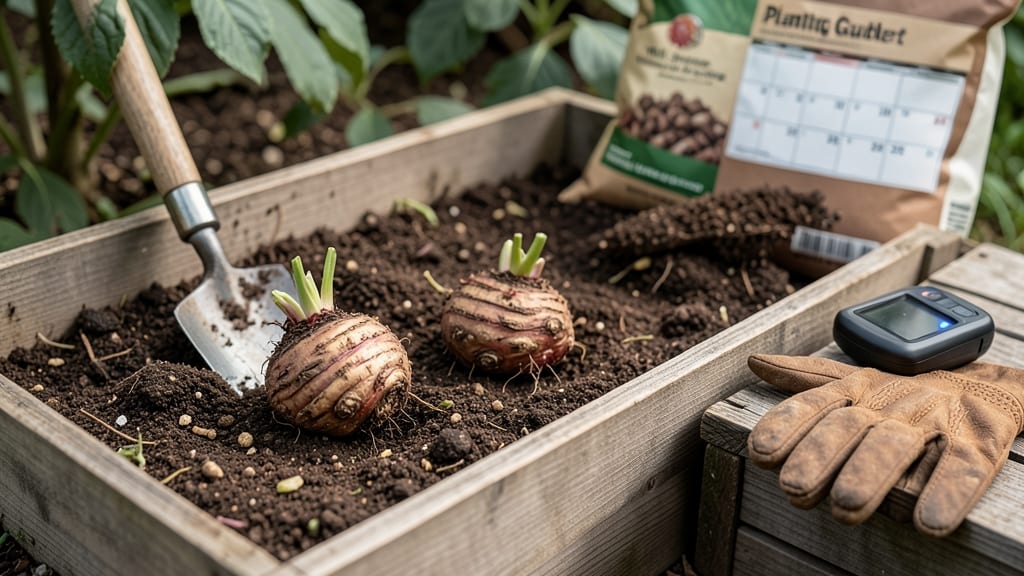
Planting dahlias in Zone 6 after the last frost—typically mid-to-late May—sets you up for a vibrant summer of blooms, but timing is everything.
Dahlias are stunning but temperamental—plant them too early, and frost will kill your tubers before they bloom. Get the timing exactly right, and you’ll enjoy vibrant flowers from midsummer until fall.
Most gardeners in Zone 6a/6b wait until the soil warms to at least 60°F, which usually aligns with May 15th. This isn’t just about avoiding frost; it’s about giving your tubers the warmth they need to root properly.
Below, I’ll walk you through the soil temperature rules that actually matter, how to prep your tubers for planting, and the critical care steps to keep your dahlias thriving once they’re in the ground.
Zone 6 dahlias planting timeline: soil temperature rules (not calendar dates)
Forget memorizing last frost dates—your Zone 6 dahlias care begins with soil temperature, not the calendar. Cold soil triggers tuber rot, while warm soil (60°F/15°C+) kickstarts vigorous growth. This rule protects your $50 tuber investment from becoming a sad, mushy memory.
Most gardeners plant by May 15th in Zone 6, but that’s just a starting point. Microclimates (like south-facing slopes) can warm earlier, while low spots stay chilly longer.
The key? Wait for consistent warmth—not just one warm day. Test your soil with a soil thermometer (or your finger—if it’s cold to the touch, wait).
Here’s why soil temperature matters more than frost dates: Dahlias store energy in their tubers, which need warmth to activate. Planting in 50°F (10°C) soil stalls growth, leaving them vulnerable to late spring frosts or fungal diseases. The 60°F (15°C) threshold is your green light.
🌱
| Stage | Soil Temp Requirement | Action Items | Zone 6 Timeline |
|---|---|---|---|
| 4 Weeks Before Planting | N/A (Prep tubers) | Inspect tubers for rot; cut damaged areas with sterile knife | Mid-April |
| 3 Weeks Before Planting | N/A (Soil prep) | Amend soil with compost; add 2 inches of aged compost per square foot | Late April |
| 2 Weeks Before Planting | 50°F (10°C) | Soak tubers in fungicide solution (1 tbsp copper fungicide per gallon) | Early May |
| Planting Window | 60°F (15°C) + | Plant tubers 4-6" deep; space 12-18" apart | Mid-to-late May |
| Post-Planting | 60-70°F (15-21°C) | Water deeply; mulch with 2-3" straw to retain heat | Ongoing |
Your 4-week pre-planting checklist starts with tuber prep. In mid-April, dig out your dahlias and inspect for soft spots or mold. Use a sterile knife to trim damaged areas, then dust cuts with cinnamon powder (a natural antifungal). Store tubers in a cool, dark place (like a garage) until planting.
While you’re prepping tubers, focus on soil. Dahlias thrive in well-draining soil with a pH of 6.0-7.0. Work in 2 inches of compost and a balanced fertilizer (like 5-10-10) to give roots a nutrient boost. Avoid fresh manure—it can burn tender roots and attract pests.
By early May, test your soil temperature daily. Use a soil thermometer (or the back of your hand—if it feels cool, wait). Once temps hit 60°F (15°C) consistently for 3 days, it’s time to plant.
In Zone 6, this usually lands between May 15th and May 30th, but microclimates can shift this by 2 weeks.
Pro tip: If you’re in a low-lying area or have late spring frosts, wait until June 1st. The extra week of warmth prevents tuber rot and ensures your dahlias burst into bloom by July 4th—perfect for summer displays.
After planting, mulch with 2-3 inches of straw to lock in heat and moisture. This is especially critical in Zone 6, where temperature swings can stall growth.
Water deeply 2-3 times per week, aiming for 1-2 gallons per plant. Avoid overhead watering to prevent foliar diseases like powdery mildew.
🌼
Remember: Dahlias planted in cold soil grow 2-3 times slower and produce fewer blooms. By following soil temperature rules, you’ll enjoy vibrant flowers from July until frost—and avoid the heartbreak of wilted tubers or stunted growth.
Mark your calendar for May 15th, but always double-check with your soil thermometer!
5 Critical mistakes that kill dahlias in Zone 6 (and how to avoid them)
Dahlias are high-maintenance divas in Zone 6, and one wrong move can turn your $20 tubers into sad, rotting lumps. I’ve seen gardeners lose entire beds because they skipped the basics—like soil temperature checks or proper mulching.
The good news? These mistakes are easy to fix if you know what to watch for.
First, let’s tackle the biggest killer: planting too early. Many gardeners use the last frost date as their cue, but Zone 6’s April/May frosts can still linger in the soil.
Cold soil slows root growth and invites tuber rot, which is why I always wait until the soil hits 60°F (15°C)—not just the air.
Here’s the brutal truth: 50% of dahlia failures in Zone 6 come from these 5 mistakes. Skipping any of them means your $50 dahlia collection could end up as compost. Let’s fix that.
⚠️ WARNING: The #1 Killer of Dahlias in Zone 6
Planting before soil reaches 60°F (15°C) causes tuber rot and stunted growth. Use a soil thermometer—not the air temp—to confirm readiness. May 15th is your safe date in most of Zone 6, but check your microclimate!
🌡️ Pro Tip: Test soil temp at 6 inches deep in the morning for accuracy.
Mistake #2 is ignoring soil prep. Dahlias need well-draining, nutrient-rich soil, but many Zone 6 gardeners just dig a hole and drop the tubers in. Amend your soil with compost or aged manure and mix in a 5-10-10 fertilizer at planting.
Without this, your dahlias will struggle to grow strong roots, leading to weak stems and fewer blooms.
Mistake #3 is skipping mulch. Zone 6’s temperature swings can stress dahlias, but a 3-inch layer of mulch (straw or shredded leaves) keeps roots stable. Mulch also reduces water evaporation and prevents soil-borne diseases. I’ve seen dahlias in mulched beds produce 30% more blooms than unmulched ones.
Mistake #4 is overwatering. Dahlias hate soggy roots, yet many gardeners drown them thinking they need constant moisture. Water deeply 2-3 times per week instead of daily shallow watering. Let the top 2 inches of soil dry out between waterings to prevent rot.
Finally, mistake #5 is neglecting side-dressing. Dahlias are heavy feeders, and a single planting dose of fertilizer won’t cut it. Every 4-6 weeks after planting, sprinkle 1 tbsp of 5-10-10 fertilizer around the base and water it in. This keeps your dahlias blooming until first frost.