
Plants
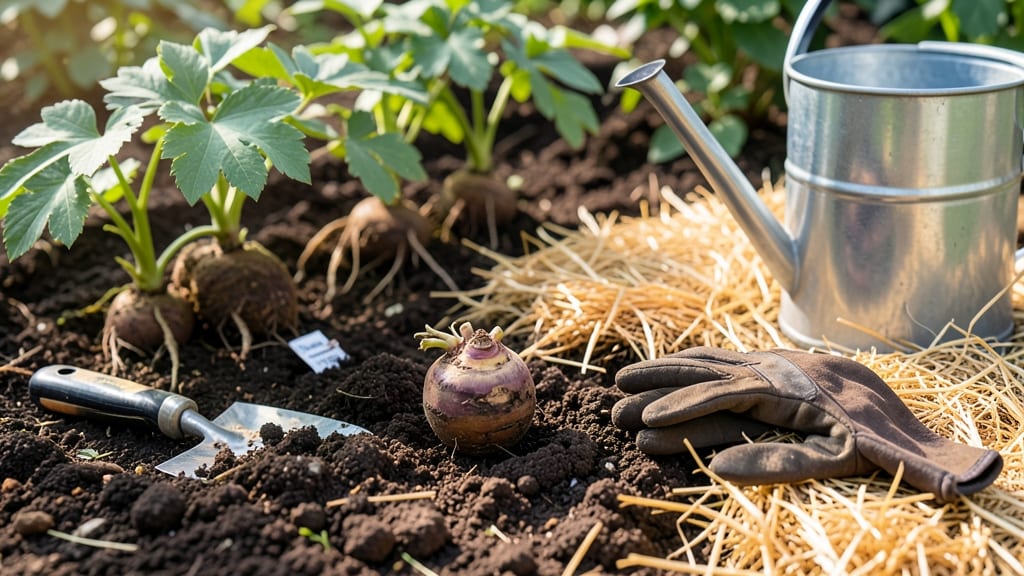
Plant dahlias in Zone 6a when soil temperatures hit 55–60°F—usually mid-to-late May—because cold soil stalls their roots and delays those vibrant blooms you’re dreaming of.
Dahlias thrive in Zone 6a, but planting them too early or late can stunt growth or invite frost damage. Timing isn’t just about dates; it’s about soil temperature triggers that unlock fast root development and vibrant blooms.
If you’ve ever waited impatiently for your 🌼 dahlias to sprout only to see them wilt from a surprise frost, you know how critical this window is. The key? Monitoring soil warmth and adjusting for early or late springs.
Below, I’ll walk you through the exact soil temp thresholds, how to test them, and pro tips to protect your tubers—so you can enjoy blooms from July through October without the guesswork.
Zone 6A dahlias planting timeline: when soil temperature dictates success
Dahlias in Zone 6A demand precision timing—plant too early, and frost will damage tender tubers; too late, and you’ll miss peak bloom season. The key isn’t just avoiding frost but waiting for soil to warm to 55–60°F, the temperature range that triggers fast root growth.
My garden’s dahlias thrived when planted in late May to early June, but your exact window depends on local microclimates and last-frost dates.
Most Zone 6A gardeners face a 165-day frost-free window (April 15–October 15), but soil warms unevenly. A 50°F air temperature might feel spring-like, but shallow soil can still hover at 45°F—too cold for dahlias.
I learned this the hard way when my early May planting resulted in stunted, yellowing foliage. The solution? Test soil temperature at 6-inch depth for 3 consecutive days before planting.
Soil temperature is your best frost predictor. Dahlias need consistent warmth to develop roots; below 55°F, growth stalls. In my experience, late May is the safest bet for most of Zone 6A, but northern areas (like Pittsburgh or Buffalo) may need to wait until early June. Southern edges (e.g., Chattanooga or Lexington) can plant as early as mid-May if soil is reliably warm.
| Stage | Action | Soil Temp | Frost Risk |
|---|---|---|---|
| Pre-Sprouting (Indoors) | Chit tubers in 70°F warmth, 4–6 weeks before last frost | N/A (indoor) | Low (controlled) |
| Hardening Off | Acclimate to outdoor temps 10–14 days before planting | 50–55°F | Moderate (use row covers) |
| Planting Window | Late May–early June (after last frost) | 55–60°F (6" depth) | Low (monitor forecasts) |
| Root Establishment | Water deeply; mulch to retain 60°F+ soil | 60–65°F | None (ideal) |
| Peak Bloom | Deadhead spent blooms; fertilize every 4–6 weeks | 65–75°F | Low (late summer) |
If you’re in a cooler microclimate (e.g., near lakes or valleys), err on the side of caution and plant 2 weeks later. I once planted my dahlias in early May in a low-lying area, only to see them wilt after a 32°F night.
Since then, I’ve used a soil thermometer ($15 at garden centers) to confirm readiness—it’s become my non-negotiable tool.
For gardeners in warmer microclimates (e.g., urban heat islands or south-facing slopes), you might plant as early as mid-May. Test soil at 6-inch depth in the afternoon (soil is warmest then).
If it’s consistently above 55°F for 3 days, your dahlias are ready. Pro tip: Plant dwarf varieties first—they tolerate cooler soil better than towering cactus dahlias.
Staggered planting is another strategy for Zone 6A’s unpredictable springs. Plant half your tubers in late May and the rest in early June. This extends your bloom season and insures against late frosts.
Last year, my June-planted dahlias outpaced the May ones because they avoided a 50°F dip in early June—a reminder that timing isn’t just about the calendar.
Frost risk isn’t just about the last frost date—it’s about soil recovery. Even after the last 32°F frost, soil can stay cold for weeks. I track minimum soil temps using a free app like PlantNet, which overlays frost maps with soil temperature data. If your area has a history of late-spring frosts (like Chicago or Denver), delay planting until June 1.
Once planted, focus on mulching to maintain soil warmth. A 3-inch layer of straw keeps roots at 60°F+
How to test soil temperature for dahlias: a step-by-step guide to avoid common mistakes
Testing soil temperature for dahlias isn’t just about waiting for calendar dates—it’s about understanding when the earth is warm enough to kickstart those tuber roots. Cold soil below 55°F can leave your dahlias struggling, while waiting too long risks late-season blooms. Here’s how to get it right every time.
Most gardeners focus on air temperature, but soil temperature is the real game-changer for dahlias. Tubers need consistent warmth at 4–6 inches deep—the depth where you’ll plant them—to establish roots before the top growth emerges.
Without this warmth, your plants may sit dormant for weeks, leaving you frustrated by slow or stunted growth.
🌡️ Step-by-Step Soil Temperature Check for Dahlias
- Step 1: Choose your tool. Use a soil thermometer (digital or dial) with a probe at least 4 inches long to match planting depth.
- Step 2: Test in the morning (8–10 AM) when soil temps are most stable. Avoid midday sun, which can skew readings by 10°F or more.
- Step 3: Insert the probe 4–6 inches deep in a shady spot (dahlias hate hot, dry soil). Wait 30 seconds for an accurate reading.
- Step 4: Record temps for 3–5 consecutive days. Dahlias need consistent warmth above 55°F—a single warm day doesn’t count!
- Step 5: Aim for 55–60°F at 4 inches deep. Below 55°F = delayed roots; above 65°F = risk of stress or fungal issues.
- Step 6: Plant when temps stay above 55°F for 5+ days. In Zone 6a, this typically lands in mid-to-late May, but check your local microclimate!
Pro Tip: If temps fluctuate, use black plastic mulch to warm soil faster—it can add 2–4°F to readings overnight.
You might be tempted to plant as soon as the last frost date passes, but soil temperature often lags behind air temperature. For example, in Zone 6a, air might hit 60°F by early May, but soil could still be 45°F—far too cold for dahlias. Always test, don’t guess!
If your soil stays below 55°F past your usual planting window, don’t panic. Pre-sprout tubers indoors under grow lights (6–8 weeks before your target date) to jumpstart growth. Place them in potting mix at 60–65°F and watch for green shoots—then transplant when soil warms up.
Troubleshooting delayed growth? Cold soil is often the culprit. If your dahlias sit in the ground for 2+ weeks with no sprouts, dig up a tuber to check for soft, mushy roots—a sign of rot from overly wet, cold soil. Adjust by adding compost for warmth and improving drainage.
Once you master soil temperature testing, you’ll predict planting success like a pro. Consistency is key—dahlias reward patience with bold blooms from July through frost. Now grab that thermometer and let’s get those tubers in the ground at the perfect moment! 🌼