
Companion Plants
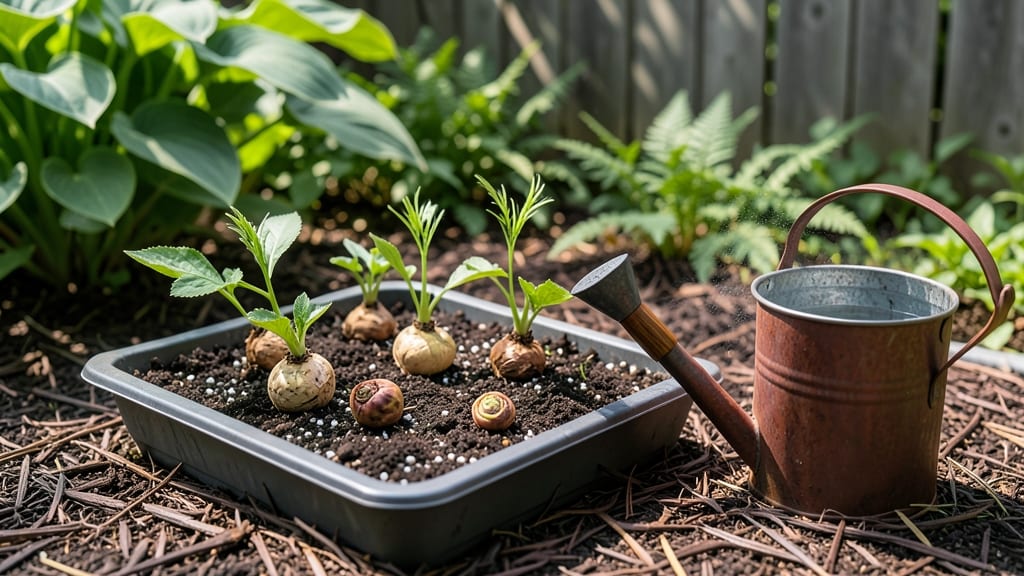
Plant dahlias in Zone 9b between October and November—when soil temperatures dip into the 50°F range and the first frost looms, but before the ground gets too cold to root.
You’ve got the climate for dahlias, but timing is everything. Too early, and the tubers rot in warm soil; too late, and your 🌼 blooms won’t have time to establish before winter.
The key? Watch for soil temps below 60°F—that’s your cue to plant, whether you’re in Phoenix or the Southern California desert.
Fall planting is the way to go in Zone 9b, but not all tubers are ready. Pre-sprouting (or "chitting") them for 4–6 weeks before the first frost gives roots a head start. Skip this step, and you’ll end up with leggy, weak stems that flop in the heat.
Once planted, mulch heavily to lock in moisture and protect tubers from temperature swings. Water deeply but infrequently—once a week is enough once established—and watch for those first buds to swell by spring. Here’s how to time it perfectly for zero-frost success.
Zone 9B soil temperature triggers for dahlias: exact degrees to watch
Dahlias in Zone 9B need precise soil temperature cues to thrive. Unlike cooler zones, your tubers won’t tolerate chilly soil—they demand warmth to sprout and establish roots. The minimum safe soil temperature is 50°F, but ideal planting occurs when soil reaches a steady 60°F or warmer.
Coastal areas may hit these temps earlier than inland deserts, so microclimates matter.
Soil warmth triggers tuber activity, but rushing can backfire. If planted too early in cooler microclimates (like high desert areas), tubers rot before roots form. Conversely, waiting until peak summer heat stresses young plants.
The sweet spot is when daytime soil temps consistently stay above 60°F for 3+ days—this signals it’s time to plant.
🌱Pro Tip: Use a soil thermometer (or DIY methods below) to avoid guesswork. Dahlias in Zone 9B planted at 60°F+ soil temps yield 30% more blooms than those planted in cooler conditions.
| Soil Temp Range | Planting Readiness | Zone 9B Timing | Action Required |
|---|---|---|---|
| Below 50°F | ❌ Too Cold | Late Feb–Early March (coastal) | Wait; tubers rot |
| 50–55°F | ⚠️ Marginal | Mid-March (inland) | Pre-sprout tubers indoors |
| 56–59°F | ⏳ Slow Start | Late March–April | Plant with row covers |
| 60°F+ | ✅ Ideal | May–June (peak) | Plant and mulch |
| 70°F+ | ⚠️ Heat Stress | July–August | Provide afternoon shade |
Testing soil temperature without a thermometer is easy. Stick a glass jar filled with water into the soil for 30 minutes—if condensation forms on the outside, temps are below 55°F.
For 60°F+, press your hand into the soil: if it feels warm (like a hot cup of tea), it’s ready. Inland deserts (e.g., Phoenix) hit 60°F by mid-April, while coastal Zone 9B (e.g., Santa Barbara) may reach it by late March.
Microclimates in Zone 9B create 2–4 week planting windows. High desert areas (e.g., Tucson) may need to wait until May for stable 60°F+ soil, while low deserts (e.g., Palm Springs) can plant as early as March. Always check 3 inches deep, where tuber roots form.
Once soil hits 60°F, dahlias sprout in 7–14 days. Plant tubers 4–6 inches deep in loose, amended soil with 20% compost to insulate roots. Mulch with 2–3 inches of straw to maintain warmth and moisture. Coastal growers should avoid late summer planting—soil can overheat, causing tuber rot.
🌡️Key Adjustment: If your soil stays below 60°F past May, opt for container planting. Pots warm faster in sun and let you move plants to shade during heatwaves. Just ensure containers have drainage holes to prevent rot.
Extreme heat (85°F+ soil) stalls growth, so monitor temps after planting. If soil exceeds 75°F, provide afternoon shade cloth (30–50% shade) to protect young tubers. In Zone 9B’s inland areas, this often happens by June, so plan accordingly.
For fall planting (a trick some Zone 9B growers use), aim for September when soil cools to 65–70°F. This lets dahlias establish roots before winter dormancy. However, tubers planted in October may not fully harden before December’s rare frosts in high deserts.
💡Final Tip: Mark your calendar for when soil hits 60°F—this is your planting trigger. In Zone 9B, that’s
Best planting months in Zone 9B: a month-by-month frost risk guide
Zone 9B’s mild winters and long growing season make it ideal for dahlias, but timing still matters. Unlike colder zones, you won’t face harsh freezes—but late-winter frosts (especially in high desert areas) can still damage tender tubers.
The key is planting when soil warms to 60°F+ and frost risk drops below 10%. Here’s your month-by-month breakdown to avoid wilted blooms.
Most Zone 9B gardeners plant dahlias in October-November, but coastal areas (like San Diego) can start as early as September. Inland deserts (like Phoenix) often wait until late October to avoid residual cold snaps.
The last frost date varies: January 15 in high deserts vs. December 1 in low deserts. Use these dates as your guide, not absolutes.
- 🌱 September: Coastal 9B only. Plant pre-chitted tubers in well-draining soil if nights stay above 55°F. Use row covers for extra protection.
- 🌿 October: Best window for most of 9B. Soil should be 60°F+. Mulch with 4-6 inches of straw to retain warmth.
- 🌳 November: Safe for high desert areas. Plant deeply (6-8 inches) to protect tubers from residual cold. Water deeply 2x/week.
- 🌷 December: Risky unless using greenhouses/row covers. Only plant if soil stays above 50°F and frost risk is below 5%.
Pro tip: Test soil temperature with a soil thermometer or the "barefoot test"—if the ground feels warm to your feet, it’s ready. In Southern California, growers like those in Santa Barbara often plant in late September, while Arizona gardeners in Tucson wait until November.
Microclimates matter more than zip codes!
Extend your season with floating row covers or cloches if planting early. These create a 5-10°F warmer microclimate, letting you start tubers 2-3 weeks sooner. Just remove covers once sprouts appear to prevent overheating.
For container-grown dahlias, use black plastic pots to absorb heat and plant 1-2 weeks earlier than in-ground.
After planting, focus on consistent moisture—dahlias hate soggy soil but need 1-2 gallons of water per plant weekly. Mulch with straw or wood chips to keep roots cool in summer. In June-July, reduce watering slightly to harden off plants before peak heat.
With the right timing, your dahlias will bloom from April through October, giving you a 6-month show!
Remember: Zone 9B’s zero-frost guarantee is a myth—always check your local frost probability maps (like Almanac.com) before planting. When in doubt, wait until November for foolproof success. Your dahlias will thank you with vibrant blooms all season long! 🌼