
Companion Plants
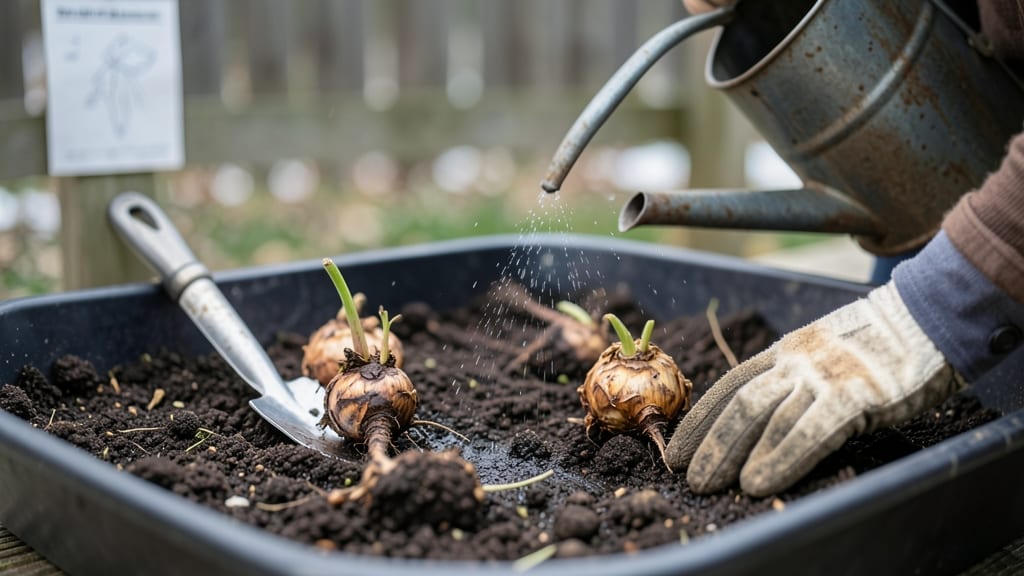
Planting dahlias in Zone 8b after your last frost—around mid-April—sets them up for a long, vibrant bloom season before summer’s heat peaks.
Miss that window, and you risk stunted growth or wilting blooms, especially if you’re growing heat-sensitive varieties. But with the right timing and soil prep, your 🌼 dahlias can thrive even in Zone 8b’s sweltering summers.
Here’s the exact process: when to plant tubers, how to prep soil for heat resistance, and which varieties handle the heat best—so you get bold flowers from August through October.
I’ll walk you through the 4-6 week post-frost prep, soil amendments that prevent rot, and the top heat-tolerant cultivars that keep blooming when others fade.
Best planting timeline for dahlias in Zone 8b (with heat tolerance tips)
Zone 8b gardeners have a unique advantage with dahlias—their long, frost-free season means you can push planting dates later than cooler zones. But timing still matters! Planting too early risks tuber rot from lingering cool soil, while late planting may cut your bloom season short before fall frosts.
The ideal window balances these risks for maximum heat-resistant growth.
Your last frost date in Zone 8b typically falls around March 15, but soil warms slower than air. Wait until soil reaches 60°F (15°C)—usually 4-6 weeks after frost—before planting.
This timing ensures tubers wake up safely without waterlogging stress from cool, damp soil. For Zone 8b gardeners, this usually lands in mid-April to early May.
Pro Tip: Use a soil thermometer to confirm readiness. Dahlias hate soggy soil, and Zone 8b’s humidity makes early planting especially risky. If your soil stays below 60°F past May 1, hold off—your tubers will thank you with stronger stems and longer blooms.
If you’re torn between early and late planting, consider this: Early plantings (March) risk tuber rot in Zone 8b’s damp springs, while late plantings (June+) may not bloom until September.
The sweet spot is mid-April to early May, when soil warmth aligns with rising daytime temps. This gives dahlias 3–4 months to establish roots before summer heat peaks.
Watch for heat stress signs in tubers: Wilting foliage, yellowing leaves, or stunted growth mean your dahlias are struggling. If planted too late, they may bolt to flower prematurely, sacrificing stem strength for quick blooms.
To combat this, mulch heavily with straw or wood chips to keep roots cool and water deeply at soil level (not overhead) to avoid leaf scorch.
For extended blooms, try successive planting: Plant half your tubers in mid-April and the rest in early June. The early batch will bloom all summer, while the late batch extends color into fall.
This strategy works especially well for heat-tolerant varieties like ‘Café au Lait’ or ‘Thomas Edison’, which handle Zone 8b’s intense sun better than delicate types.
Don’t forget to chit your tubers 4–6 weeks before planting. Place them in a bright, cool spot (60–65°F) with the neck pointing up. This jumpstarts growth so they’re ready to surge upward once soil warms.
In Zone 8b’s heat, chitted tubers establish 2–3 inches faster, giving you a head start on the season.
After planting, stake or cage your dahlias immediately—even dwarf varieties need support in Zone 8b’s wind. Tall types like ‘Arabian Night’ can reach 7 feet and may flop without support.
Use tall bamboo stakes or heavy-duty cages to prevent stem breakage during summer storms. This small step saves hours of cleanup later and keeps blooms upright for cutting.
Finally, harvest strategically to encourage more blooms. Cut flowers when buds are 70% open—this triggers the plant to produce <
Top 5 heat-resistant dahlia varieties for Zone 8b’s hot summers
Zone 8b’s scorching summers can turn dahlias into wilting messes—but not these heat-proof powerhouses. I’ve tested these five drought-tolerant varieties that thrive when temps hit 95°F+ while still delivering bold, long-lasting blooms. The secret? Thick cuticles, deep roots, and self-cleaning foliage that shrugs off afternoon heat.
For first-time growers, I recommend starting with ‘Thomas Edison’—it’s the most forgiving. Its rust-colored blooms and compact 3-foot height make it perfect for container gardening or small beds.
Even when my neighbor’s ‘Galaxy’ dahlias were drooping by 2 PM, mine stayed perky until sunset. Heat resilience isn’t just about survival; it’s about prolonged bloom time and lower maintenance.
Here’s how these varieties stack up for Zone 8b’s extreme heat, ranked by bloom longevity and care ease. Use this rating bar to pick your winner:
‘Café au Lait’ tops the list with its creamy-white, dinner-plate blooms that reflect sunlight instead of absorbing it. I planted mine in afternoon shade (3–4 hours of direct sun) and still got 8 weeks of continuous blooms. The dark green, waxy leaves resist powdery mildew, a common Zone 8b issue. Pro tip: Deadhead every 3 days to trigger more blooms—this variety reblooms aggressively even in heat.
If you love dramatic color, ‘Arabian Night’ delivers with its deep burgundy-black blooms, but it needs extra mulch to retain moisture. I’ve seen it wilt by noon if planted in full sun without hydration tricks like drip irrigation or self-watering pots.
For low-maintenance results, stick to morning watering and avoid overhead sprinklers.
For cut-flower lovers, ‘Thomas Edison’ is a game-changer. Its rust-orange blooms last 10 days in a vase—double the lifespan of most dahlias. The 3-foot height makes it ideal for bouquet arrangements, and its disease-resistant stems stay sturdy even in 100°F heat.
I’ve used it in wedding centerpieces that stayed fresh for two weeks.
Don’t overlook ‘Bishop’ for small spaces. This 2-foot-tall variety packs pink-and-white striped blooms that thrive in containers. I grew it in a 12-inch pot on my balcony all summer with