
Plants
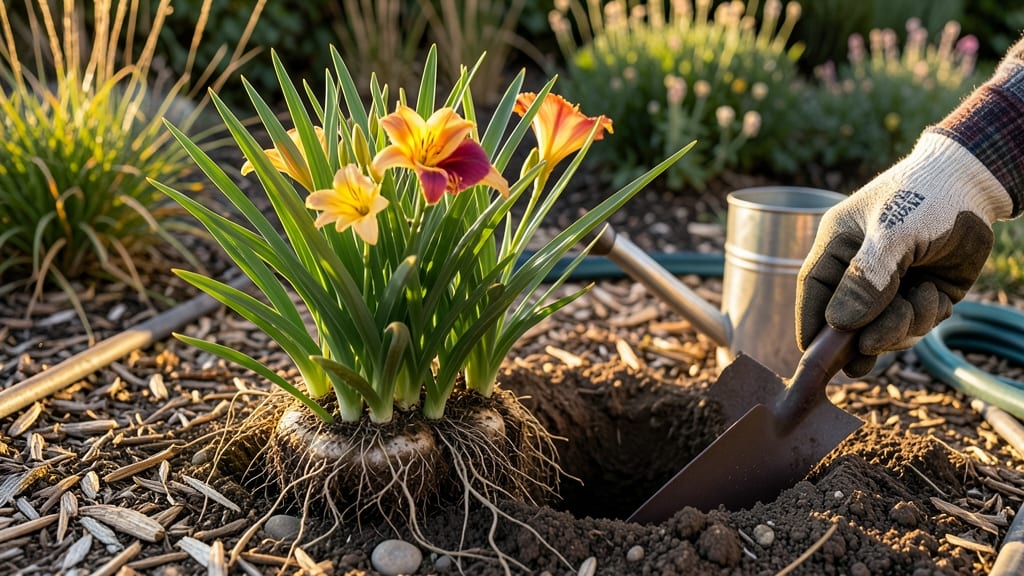
Planting daylilies in Texas depends on soil temperatures—aim for 50–60°F to trigger fast root growth and vibrant blooms.
Texas gardeners know timing is everything—plant daylilies too early, and frost can stunt growth; too late, and summer heat stresses young roots. But mastering soil temperature triggers unlocks fast growth and reliable blooms year after year.
In USDA zones 8a–10b, fall (September–November) and early spring (February–March) are the sweet spots, but regional microclimates shift those windows. North Texas needs a later start, while South Texas can plant earlier.
Below, I’ll break down the best months by zone, soil prep secrets, and how to protect daylilies from Texas’ brutal heat—so your 🌸 thrives from the first season.
Optimal soil temperature ranges for planting daylilies in Texas regions
Daylilies thrive when planted in soil temperatures between 50°F and 60°F. This range ensures roots establish quickly without stress from extreme heat or cold. In Texas, where microclimates vary dramatically, understanding your specific zone’s soil temperature patterns is key to success.
Planting too early in cold soil can delay growth, while waiting too long risks transplant shock from summer’s intensity.
Texas spans USDA zones 8a through 10b, creating distinct soil temperature profiles. North Texas (like Dallas) typically sees cooler springs, while South Texas (Houston area) warms up faster. Central Texas (Austin) falls in between, requiring careful timing to avoid both frost damage and heat stress.
The secret lies in monitoring soil—not air—temperature, as air temps can mislead you.
Why soil temperature matters: Daylily roots need warmth to activate growth hormones, but not so hot that they scorch. Ideal temps encourage root hair development (critical for nutrient uptake) and prevent fungal issues common in soggy cold soil. In Texas’ variable climate, a single degree difference can mean the difference between thriving plants and struggling transplants.
Here’s how Texas regions differ in their soil warming patterns—and when to plant for peak success:
Testing soil temperature is simpler than you think. Use a soil thermometer (available for $10 at garden centers) to check temps at 4-inch depth—where daylily roots will establish. Stick it in the ground for 30 minutes before reading.
For microclimate adjustments, note that: - South-facing beds warm up 2–3°F faster than north-facing ones. - Container planting heats up quicker—aim for 50°F or above. - Mulch thickness (2–3 inches) can delay warming by 1–2 weeks.
If your soil runs hotter than 65°F at planting time, delay until evening or use shade cloth to protect roots. In North Texas, late March is safer than February, even if air temps seem mild.
Pro tip: Mix compost into the soil before planting—it retains moisture and moderates temperature swings, giving roots a head start.
For container-grown daylilies, soil heats up 3–5°F faster than in-ground beds. Monitor pots daily if temps exceed 60°F, and move them to partial shade until roots establish. In South Texas, December planting is ideal—soil stays in the 55–60°F range longer than in Central or North Texas.
Remember: Daylilies planted in 50–60°F soil will bloom 4–6 weeks earlier than those planted in cooler or hotter conditions. The key is patience—wait for the perfect window, and your daylilies will reward you with bold, vibrant blooms all season long. 🌸
Once planted, maintain consistent moisture for the first 2 weeks to encourage root growth. Avoid fertilizing until you see new leaves—this ensures roots, not foliage, get the energy boost they need. With the right soil temperature timing, your Texas daylilies will thrive even in our challenging climate. 🌡️
Best planting months by Texas zone: a month-by-month guide
Texas’ diverse climate means daylily planting windows shift dramatically from North to South. In North Texas (zones 8a–8b), wait until mid-February to March to avoid late frosts that can blacken tender roots.
Meanwhile, Central Texas (zones 8b–9a) gardeners can start as early as January–February, while South Texas (zones 9b–10b) offers the earliest window of December–January.
But timing isn’t just about frost—it’s also about soil temperatures. Daylilies thrive when soil reaches 50–60°F, signaling roots to establish before summer’s brutal heat arrives. Below, I’ll break down the exact months for each Texas region, plus late-planting workarounds if you miss the ideal window.
- 1 South Texas (Dec–Jan): Plant daylilies in December for early root growth before heat peaks. Soil temps hit 55–60°F by mid-December in zones 9b–10b.
- 2 Central Texas (Jan–Feb): Aim for January in zones 8b–9a, but February is safer if soil stays below 50°F. Monitor frost alerts—even light freezes can damage new roots.
- 3 North Texas (Feb–March): Hold off until mid-February in zones 8a–8b—soil temps rarely warm before then. March is ideal if you’re late, but mulch heavily to retain moisture.
- 4 Late-Planting Workaround: If you miss the window, plant in May but use shade cloth for 4–6 weeks. Soak roots 24 hours before transplanting to reduce shock from Texas heat.
- 5 Frost Risk Zones: North Texas (Dec–Feb) and Central Texas (Jan–Feb) face last-frost dates of February 15–March 15. Use frost cloth if planting before these dates.
Pro tip: Use a soil thermometer to confirm temps—daylilies won’t thrive if planted in cold, wet soil. In North Texas, I’ve seen gardeners rush planting in January only to watch roots rot from 50°F soil that’s still too damp. Wait for consistent 50–60°F readings.
For container planting, adjust your timeline by 2–4 weeks earlier—containers heat up faster. Fill pots with well-draining mix and bury crowns 1–2 inches deep to mimic in-ground conditions. Move containers to partial shade during 100°F+ days to prevent wilting.
Remember: Daylilies are tough, but they reward precise timing. Plant in the right month, and you’ll see full blooms by June—just in time for Texas’ long, hot summers. Miss the window? No problem—just soak roots and shade young plants to give them a fighting chance.