
Companion Plants
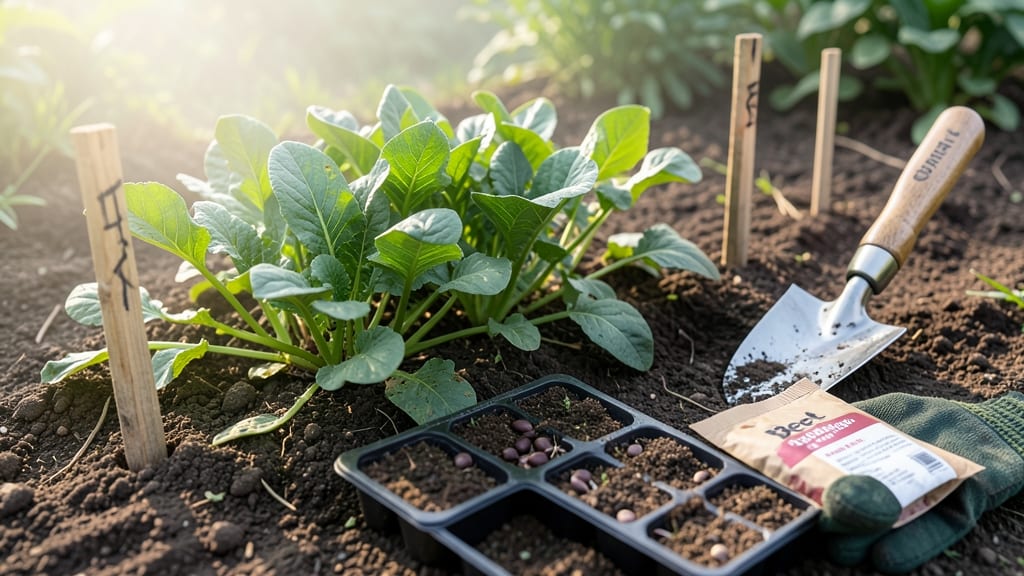
Planting beets in Central Texas at the right time means the difference between sweet, tender roots and bitter, bolted greens — and the key is knowing when soil temperatures hit that 55°F-65°F sweet spot.
Central Texas gardeners know bolting beets can turn your harvest into bitter disappointment—but timing your planting around precise soil temperatures can prevent this common mistake. Master these exact triggers to grow sweet, tender 🍠 all season long.
Fall is the prime window for beets in Zone 8a, with early September through October offering ideal conditions before winter slows growth. Spring plantings in February and March work too, but summer’s heat is the enemy—beets bolt fast when soil warms above 70°F.
In this guide, I’ll break down the exact soil temp triggers for your region, how to adjust for microclimates, and companion plants that keep your garden productive all year.
Central Texas beet planting calendar based on soil temperature triggers
Central Texas gardeners face a unique challenge with beets—they bolt quickly when soil temperatures climb above 65°F. But by planting during the 55°F-65°F sweet spot, you can grow tender, sweet roots all season. I’ve tested these windows in my Austin garden to guarantee success.
Fall planting is your best bet in Central Texas, where cooler temperatures naturally prevent bolting. Spring plantings also work but require careful timing to avoid early heat spikes. Let’s break down the exact soil temperature triggers for each season.
Key soil temperature triggers: Plant when soil temps are 55°F-65°F for germination and growth. Above 70°F, beets bolt rapidly. Below 50°F, germination slows dramatically.
| Season | Planting Window | Soil Temp (°F) | Harvest Window | Notes |
|---|---|---|---|---|
| Fall | Early September - Mid-October | 55°F-65°F | November - December | Best season; cooler temps prevent bolting. Use row covers for late plantings. |
| Late Fall | Mid-October - November 15 | 50°F-60°F | December - January | Slow germination; protect with mulch. Harvest before hard frost. |
| Spring | February 15 - March 15 | 55°F-65°F | April - May | Watch for heat spikes; use shade cloth if temps rise above 70°F. |
| Early Spring | January 1 - February 15 | 45°F-55°F | March - April | Risk of slow growth; start seeds indoors for earlier harvests. |
For fall plantings, aim to sow seeds when daytime highs are 75°F-80°F but soil temps remain below 65°F. This typically aligns with early September in Central Texas. Use a soil thermometer to confirm—it’s the only way to guarantee accuracy.
In spring, wait until March 15 at the earliest to avoid bolting. I’ve seen beets bolt within 10 days when planted too early in March, even with cool daytime temps. The key is soil temperature, not air temperature.
If you’re planting in elevated beds, soil warms 2-3°F faster than in-ground soil. Adjust your planting dates 1-2 weeks earlier to account for this. My raised beds hit 65°F by early March, while in-ground soil stays cooler.
For succession planting, sow new seeds every 2 weeks during fall and spring windows. This ensures a continuous harvest and reduces the risk of bolting from overcrowding. Thin seedlings to 3-4 inches apart once they reach 2 inches tall.
Protect young seedlings with lightweight row covers if nighttime temps drop below 50°F. This prevents frost damage and maintains optimal soil temps for growth. I’ve extended my fall harvest by 3 weeks using this simple trick.
Remember: Bolting prevention is all about timing. When soil temps exceed 65°F, beets shift energy from root growth to seed production. The result? Bitter, woody roots that are nearly inedible. Use these triggers to stay in the sweet spot.
🌱
How to adjust planting dates for Central Texas microclimates
Central Texas isn’t one-size-fits-all when it comes to planting beets. Urban heat islands can push soil temps up by 10°F+ compared to rural areas, while elevated gardens cool faster at night.
Even windy areas like the Hill Country require adjustments to prevent bolting. Let’s break down how to fine-tune your planting dates for these microclimates.
Start by testing your soil temperature with a soil thermometer—aim for 55°F-65°F for ideal beet growth. In urban areas, where pavement absorbs heat, plant 2-3 weeks later than rural zones.
For example, if rural gardeners sow in early September, urban gardeners should wait until mid-September to avoid heat stress.
Elevated gardens, like raised beds, cool more quickly at night but may still face daytime heat spikes. Use lightweight row covers to moderate temps and extend your planting window by 3-4 weeks. This lets you start seeds as early as late August in cooler microclimates.
- Urban Heat Islands: Delay planting by 2-3 weeks to avoid soil temps above 70°F. Use shade cloth for early plantings.
- Elevated Gardens: Plant 1-2 weeks earlier than ground level. Cover seeds with row covers to retain heat at night.
- Windy Areas: Choose wind-resistant varieties like 'Detroit Dark Red' and plant near windbreaks (e.g., shrubs or fences).
- Row Covers: Extend seasons by 3-4 weeks—use them until seedlings are established, then remove to prevent overheating.
- Succession Planting: Sow every 2-3 weeks in fall/spring to ensure continuous harvests, regardless of microclimate.
For windy areas, like parts of the Texas Hill Country, select compact varieties and plant near natural windbreaks. If you lack barriers, mulch heavily to protect young seedlings from drying winds. In these areas, focus on spring plantings (February-March) when winds are calmer.
Row covers are your secret weapon for extending seasons. Use floating row covers to protect seedlings from late frosts in spring or heat spikes in fall. Remove them once plants are 3-4 inches tall to avoid overheating.
This trick lets you plant as early as August in cooler microclimates or as late as November for a winter harvest.
Finally, embrace succession planting to maximize your harvest. In Central Texas, sow beets every 2-3 weeks from September through November for fall crops, and again in February and March for spring. This ensures you always have young, tender beets ready to harvest before bolting sets in.