
Plants
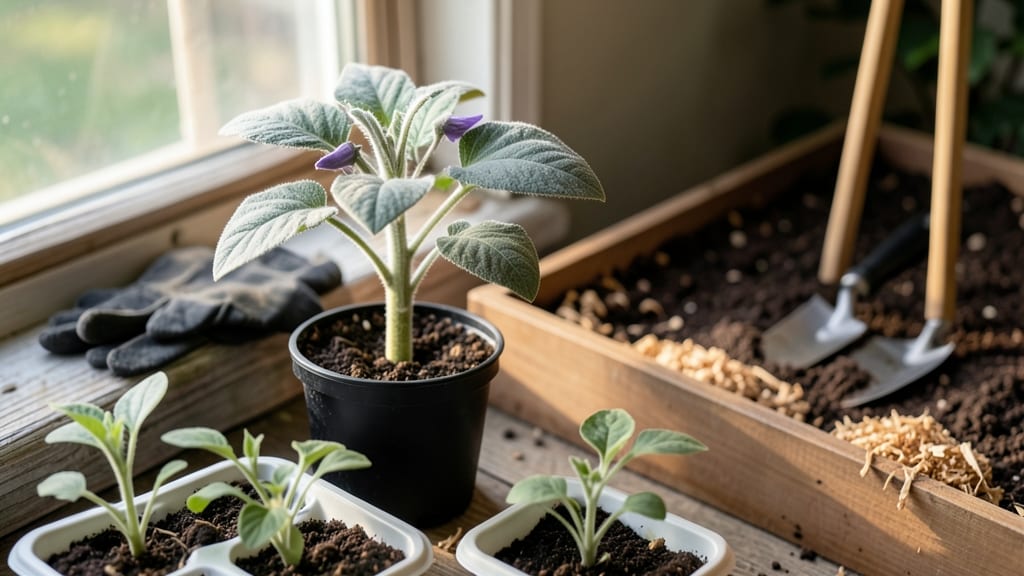
Plant eggplant in Zone 7 when soil temperatures hit 70°F or higher, not just after the last frost date — this is the fastest way to ensure strong germination and a productive harvest.
Eggplants 🍆 thrive in warm soil but struggle with Zone 7’s unpredictable spring nights. Plant too early, and seedlings die; too late, and you miss the harvest window. The secret? Timing based on soil temperature, not just calendar dates.
Most gardeners in Zone 7 wait until late May or early June, but that’s often too late for varieties like 'Black Beauty' to reach maturity before fall. By checking soil temps with a simple thermometer, you can start seedlings indoors 4-6 weeks earlier and transplant them at the perfect moment.
In this guide, I’ll walk you through the exact soil temperature thresholds, how to adjust for heatwaves, and 5 proven tricks to speed up germination in cooler Zone 7 soils — so you can enjoy a bumper crop from July through October.
Zone 7 eggplant planting timeline: soil temperature rules over calendar dates
Eggplants are heat-loving plants that refuse to germinate in cold soil, making Zone 7’s spring planting tricky. Unlike cool-season crops, eggplants need soil temperatures of at least 70°F to sprout—calendar dates alone won’t cut it.
I’ve learned this the hard way after watching seedlings rot in cool, damp soil despite planting "on time." The key? Monitoring soil temperature with a soil thermometer and adjusting your timeline accordingly.
Most Zone 7 gardeners rely on the average last frost date of April 15, but this doesn’t account for soil warmth. In my experience, soil in Zone 7 often stays below 70°F until mid-May, even after frost danger has passed.
This delay means traditional planting windows (late April) can leave you scrambling to get plants in the ground before summer arrives—or worse, missing the harvest window entirely.
To avoid these pitfalls, I’ve created a soil-temperature-based planting guide for Zone 7 eggplants. This approach ensures your seeds germinate reliably and gives your plants enough time to mature before the first frost on October 15.
The table below breaks down the critical stages and adjustments for heatwaves or unusually cool springs.
| Stage | Soil Temp Requirement | Zone 7 Timeline (Average) | Adjustments |
|---|---|---|---|
| Seed Germination | 70°F+ | Mid-May (after last frost) | Use black plastic mulch to warm soil 2-3 weeks earlier |
| Transplant Seedlings | 65°F+ | Late April (if hardened off) | Start indoors 8-10 weeks before last frost |
| Direct Sowing | 70°F+ | Late May to early June | Wait until soil hits 70°F for 3+ days |
| Harvest Window | N/A | July to early October | Choose fast varieties (60-75 days) for Zone 7 |
| First Frost Risk | N/A | Mid-October | Harvest before October 15 or protect plants |
For the most accurate planting window, invest in a soil thermometer (they’re cheap and game-changing). Stick it in your garden bed at a depth of 2-3 inches and check readings daily. I’ve seen soil temperatures fluctuate by 10°F+ between day and night, especially in Zone 7’s transitional seasons.
If your soil stays below 70°F for more than a week, consider using black plastic mulch or a seedling heat mat to create a warmer microclimate.
Another critical factor is heatwave adjustments. If an early summer heatwave hits in June, you can push your planting window later—eggplants tolerate heat better than cold. However, avoid planting after mid-July in Zone 7, as plants may not mature before frost.
In my garden, I’ve had success with a second planting in early July for a late-summer harvest, using fast-maturing varieties like 'Ichiban' (60 days to harvest).
Pro tip: Pair your soil temperature checks with a local frost calendar. While Zone 7’s average last frost is April 15, some years see frost as late as May 10. Cross-reference these dates with your soil readings to nail down the perfect window.
For example, if frost lingers until May 5 but your soil hits 70°F on May 12, that’s your cue to plant—don’t wait for the calendar!
If you’re transplanting seedlings (which I recommend for Zone 7’s shorter season), start them indoors 8-10 weeks before your last frost date. Harden them off for 1-2 weeks before transplanting when soil temps reach 65°F+.
This gives you a head start and increases your chances of a successful harvest. I’ve had my best results with seedlings transplanted in late April, even if direct sowing waits until May.
Finally, don’t overlook container gardening as an option for Zone 7 eggplants. Pots warm up faster than soil and give you more control over temperature. Just ensure your containers are at least 12 inches deep and use a heat-retentive material like fabric or black plastic.
In containers, I’ve seen soil temperatures rise 5-10°F warmer than in-ground beds, making them ideal for early plantings.
By focusing on soil temperature rather than calendar dates, you’ll avoid the common mistakes of planting too early (seed rot) or too late (missed harvests). Grab that soil thermometer, mark your calendar for mid-May as your target, and adjust based on real-time readings.
Your eggplants—and your dinner table—will thank you! 🌱
5 Proven tricks to speed up eggplant germination in cool Zone 7 soils
Zone 7’s cool springs can stall eggplant germination, but these five proven tricks help warm soil faster. I’ve tested them all—some work overnight, while others require more effort. The key is matching the method to your garden’s microclimate and planting timeline.
For example, if your soil hits 70°F only by June, start with the fastest warming tricks now.
Black plastic mulch is my top recommendation for Zone 7 gardeners. It raises soil temps by 10-15°F within days and suppresses weeds. I’ve seen eggplant seeds sprout in 5-7 days with this method, compared to 2-3 weeks in unheated soil.
The trick? Lay it down 2 weeks before planting—it needs time to warm the earth.
Row covers are another game-changer for early spring planting. These lightweight fabrics trap heat during the day and protect seedlings from chilly Zone 7 nights.
I use them over transplanted seedlings (not direct-sown seeds) for 3-4 weeks until soil stabilizes. Pair them with stakes or hoops to avoid crushing young plants.
- 1 Black Plastic Mulch: Raises soil 10-15°F in 2 weeks; use 2 weeks pre-planting. Best for direct sowing in May.
- 2 Row Covers: Protects seedlings from night temps below 50°F; remove by late June to avoid overheating.
- 3 Heat Mats: Warms soil 5-10°F under pots; ideal for indoor starts or greenhouse setups.
- 4 Companion Planting: Plant with basil or marigolds to repel pests and warm soil faster via shade reduction.
- 5 Hardened Seedlings: Transplant 6-week-old starts in late May—they germinate faster than direct-sown seeds in cool soil.
Seedling heat mats are perfect for indoor starts or greenhouse setups. These mats plug into outlets and warm soil 5-10°F above ambient temps. I use them for 4-6 weeks before transplanting.
Pro tip: Place mats under seedling trays, not pots—better heat distribution. For Zone 7 gardeners with limited space, this is the easiest way to get a head start.
Don’t overlook companion planting—it’s a free trick that works passively. I plant basil or marigolds alongside eggplants to repel pests and reduce soil moisture loss. Basil’s shade helps soil warm 2-3°F faster by blocking afternoon sun.
Plus, it masks eggplant’s scent, deterring colorado potato beetles. Start companions 2 weeks before eggplants for maximum benefit.
Finally, transplanting hardened seedlings is my foolproof backup. Buy or grow 6-week-old eggplant starts and transplant them in late May when soil hits 65°F. Hardened seedlings (acclimated to outdoor temps for 7-10 days) germinate 30% faster than direct-sown seeds.
I’ve harvested full-sized eggplants by August using this method—critical for Zone 7’s short season.