
Plants
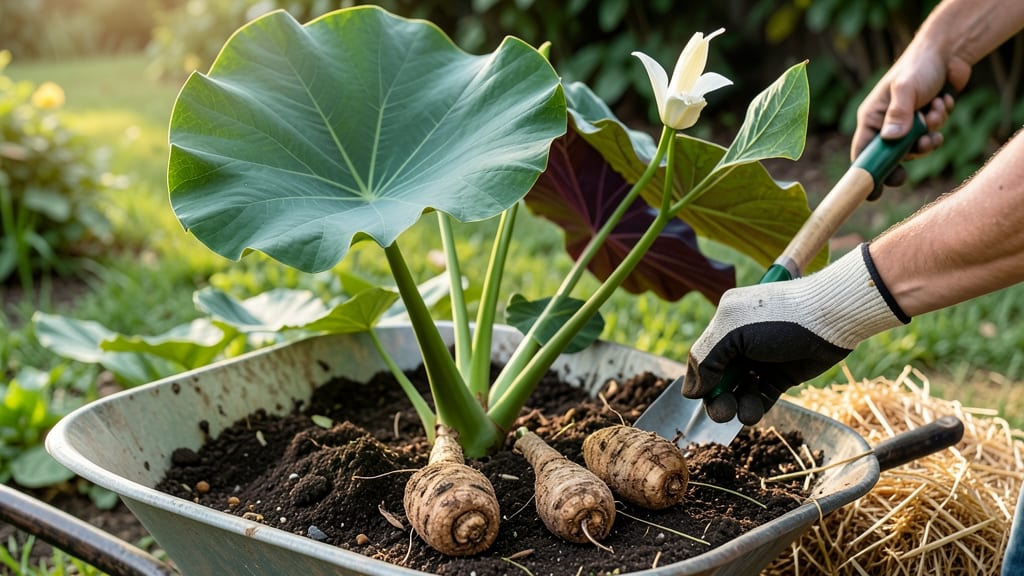
Planting elephant ear bulbs in Texas after the last frost ensures they thrive in your 8a-10b climate—typically between mid-March and early May, depending on your zone.
Texas gardeners know timing is everything—plant too early, and frost will kill them; too late, and they’ll struggle to establish before summer’s brutal heat. Mastering the perfect window means dramatic, lush foliage that thrives from spring to fall.
Elephant ear 🌿 bulbs need soil temperatures above 65°F to sprout, so wait until the ground warms up in late March or April. In North Texas, that’s usually after February 15, while South Texas gardeners can start as early as January.
Below, I’ll break down the exact frost-free deadlines by zone, soil temperature triggers, and the best spacing for those 2-5-foot tropical giants—so you can plant with confidence and enjoy their bold leaves all season long.
Texas elephant ear planting calendar: soil temperature & frost-free deadlines by Zone
Timing your elephant ear bulbs (Colocasia) in Texas means balancing soil warmth with frost risks. These tropical plants demand consistent temperatures above 65°F to thrive, but Texas' varied zones create unique challenges.
In Zone 7, late frosts linger into March, while Zone 10 gardeners can plant as early as February—if they play it smart. The key? Monitor soil temperature (not air temp) and adjust planting dates accordingly.
Most Texas gardeners plant elephant ear tubers after their average last frost date, but this varies wildly. North Texas (Zone 7-8) typically waits until mid-April, while South Texas (Zone 9-10) can start as early as late February.
The goal is to give bulbs 8-10 weeks of warm weather before summer's peak heat arrives. Plant too late, and your dramatic foliage will struggle to establish before the Texas sun turns brutal.
Soil temperature is your true planting trigger. Elephant ears need consistent soil temps above 65°F—warmer is even better (70-75°F is ideal). Use a soil thermometer to check depths of 3-4 inches (where bulbs will sit).
In Zone 7, this might not happen until late April, while Zone 10 gardeners can plant when soil hits 60°F in February.
Here’s how Texas’ USDA zones break down for planting elephant ear bulbs, including soil temp triggers and frost-free deadlines to maximize summer growth:
| USDA Zone | Last Frost Date | Ideal Planting Window | Soil Temp Trigger | Notes |
|---|---|---|---|---|
| 7a-7b | Mid-March | Late April - Early May | 65°F+ (consistent) | Wait for 3 consecutive warm nights above 50°F |
| 8a-8b | Early March | Mid-April - Late April | 65°F+ (consistent) | Use black plastic mulch to warm soil faster |
| 9a-9b | Late February | Early March - Mid-April | 60°F+ (sooner planting) | Consider container planting for earlier starts |
| 10a-10b | January 15 | February - Early March | 55°F+ (risky but possible) | Protect with frost cloth if late frosts occur |
For Zone 7-8 gardeners, the April 15 deadline is critical—planting after this risks heat stress before bulbs establish roots. In Zone 9-10, you can push earlier dates, but monitor soil moisture closely, as Texas’ dry spells can stress young plants.
Pro tip: Soak bulbs in lukewarm water for 24 hours before planting to jumpstart growth, especially in cooler zones.
Adjust your planting timeline based on microclimates. A north-facing bed in Austin (Zone 8) may need a 2-week delay compared to a south-facing spot. Similarly, Houston (Zone 9) gardeners can plant 2 weeks earlier in sheltered microclimates.
Always check local frost records—your neighbor’s yard might have a 5-day difference in frost dates!
If you’re in Zone 10 and tempted to plant in January, proceed with caution. While soil may be warm, unpredictable cold snaps can still occur. Use row covers or plant in containers that can be moved indoors if needed.
The March 1 cutoff is safer for most South Texas gardeners to ensure robust summer growth.
Remember: Elephant ears are not frost-tolerant, but they love heat. The earlier you plant in Zones 9-10, the more time your bulbs have to establish deep roots before Texas’ summer heat peaks in July. Aim for 6-
How to extend elephant ear season in Texas: prepping bulbs for early/late planting
Texas gardeners know elephant ear bulbs (Colocasia) thrive when given the right head start. To push your plants beyond the standard spring planting window, try these proven strategies.
Soaking bulbs and container pre-planting can jump-start growth, while strategic mulching and shade solutions protect tubers from Zone 9/10 heat stress. These methods help you enjoy lush foliage from early spring to late fall.
For early planting, begin prepping bulbs indoors 4-6 weeks before your last frost date. This gives tubers a growth advantage before transplanting. In Zone 10, where frost is rare, you can plant as early as February—but only if soil temperatures stay above 65°F.
For late-season extensions, focus on protecting tubers from summer heat stress while keeping them active.
Step-by-Step Guide to Extending Elephant Ear Season
- 1 Soak bulbs 24 hours in lukewarm water to stimulate root growth before planting. This works especially well for early spring or late summer starts.
- 2 Pre-plant in containers using well-draining potting mix and place in a bright, sheltered spot (e.g., under a patio cover). Transplant outdoors after soil warms to 65°F.
- 3 Mulch heavily with 3-4 inches of straw or wood chips to insulate bulbs from heat stress in Zone 9/10. Replenish mulch every 2-3 months to maintain moisture.
- 4 Provide afternoon shade in summer months using lightweight shade cloth (30-50%) or a lattice structure with climbing plants. This prevents leaf scorch while allowing morning sun.
- 5 Water deeply but infrequently—aim for 1 inch per week—to encourage deep root growth. Use drip irrigation to avoid wetting foliage, reducing fungal risks.
In Zone 9/10, where summers are intense, I’ve found that container growing works best for late-season extensions. Move pots to shadier spots during peak heat (e.g., 10 AM–4 PM) and return them to full sun in morning/evening. This mimics natural shade patterns and keeps foliage vibrant.
For late-season planting, aim to get bulbs in the ground by mid-June in Zone 10. After this, tubers struggle to establish before fall temperatures drop.
If you’re pushing the envelope, pre-sprout bulbs indoors under grow lights for 4-6 weeks before transplanting. This ensures they hit the ground running.
Pro tip: Label your bulbs before planting—some varieties like 'Black Stem' or 'Pink Frost' perform better with extended-season care. Track which methods work best in your microclimate and adjust accordingly. With these strategies, you’ll enjoy elephant ears well into October—or even later! 🌿