
Plants
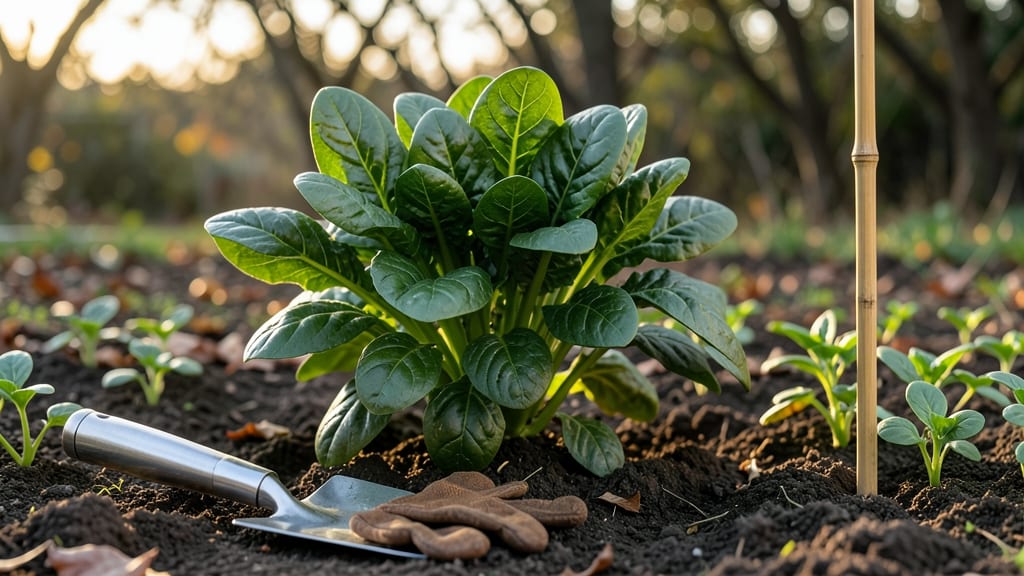
Planting fall 🥬 spinach in Zone 7 8-10 weeks before frost is the secret to tender leaves all the way through November.
Timing your fall spinach planting in Zone 7 can mean the difference between a thriving harvest and a disappointing one—get it wrong, and you risk bolting before frost or stunted growth from heat stress.
Most gardeners in Zone 7 (think Virginia to Tennessee) start seeds indoors in early August or direct-sow by late July, giving the plants 60-90 days to mature before the first frost hits around October 15.
The key? Avoid planting too early when summer heat triggers bolting, and don’t wait too late or the leaves won’t have time to sweeten up.
Below, I’ll break down the exact weeks to plant, how to adjust for your specific microclimate, and the 3 best spinach varieties for Zone 7’s fall conditions—so you can enjoy fresh, homegrown greens straight from the garden.
Exact weeks before frost to plant fall spinach in Zone 7 for maximum yield
Getting your fall spinach timing right in Zone 7 means avoiding two major pitfalls: heat-stressed seedlings that bolt prematurely or stunted growth from planting too late. The sweet spot? 60–90 days before your average first frost—typically between late July and early September in most of Zone 7.
This window ensures your spinach matures before winter’s chill sets in but escapes the dog days of summer.
Zone 7’s first frost dates vary widely—from mid-October in the mountains of Virginia to mid-November in coastal North Carolina. For example, in Raleigh, NC, the average first frost is October 31, while in Asheville, NC (higher elevation), it can arrive as early as October 15.
Adjust your planting window accordingly to avoid losing your crop to frost before harvest.
Here’s the golden rule for Zone 7: Aim to plant 8–10 weeks before your expected first frost. This gives most spinach varieties (which mature in 30–60 days) enough time to grow without bolting.
For instance, if your frost date is November 1, plant between August 20 and September 10 for a reliable harvest.
| Planting Window | First Frost Date | Zone 7 Location | Notes |
|---|---|---|---|
| Late July – Early August | Early October | Mountainous areas (e.g., Asheville, NC) | Early varieties only; risk of bolting if too hot. |
| Mid-August – Late August | Mid-October | Piedmont (e.g., Raleigh, NC) | Ideal for most varieties; balance of heat avoidance and frost prep. |
| Early September – Mid-September | Late October – Early November | Coastal (e.g., Wilmington, NC) | Best for late varieties; cooler microclimates extend growing season. |
| Late August – Early September | Mid-November | Tennessee Valley (e.g., Nashville) | Succession planting recommended for extended harvests. |
If you’re in a microclimate—like a urban heat island or a valley with cold air pooling—adjust your timing by 1–2 weeks. For example, a rooftop garden in Richmond, VA, might need planting 2 weeks earlier than a shaded backyard in the same city.
Use a local frost calculator (like the National Weather Service’s) to refine your dates.
For direct sowing, which is ideal for spinach, start seeds ½ inch deep and 1 inch apart in rows spaced 12–18 inches apart.
If you’re transplanting seedlings (less common for spinach), do so 4–6 weeks after sowing indoors to avoid shocking the roots. Soil temperature should be 45–75°F—too hot, and seeds may fail to germinate.
Pro tip: Use shade cloth (30–50%) if planting in late summer to protect seedlings from intense heat. This trick buys you an extra 1–2 weeks of viable planting time. Pair it with drip irrigation to keep soil consistently moist—spinach hates drying out.
Once planted, monitor your spinach’s progress closely. If days to maturity are shorter than expected (e.g., 30 days for ‘Tyee’), you can push your planting window 2 weeks later.
Conversely, if your area experiences an early frost warning, rush harvest by picking outer leaves first to prolong the season.
Remember, fall spinach in Zone 7 isn’t just about timing—it’s about balancing heat tolerance and cold hardiness. Choose slow-bolting varieties like ‘Bloomsdale Long Standing’ for early planting or ‘Winter Giant’ for late-season harvests.
With the right timing, you’ll enjoy tender, sweet spinach straight through November—or until Jack Frost finally wins.
How to adjust planting dates for spinach varieties in Zone 7’s fall conditions
Not all spinach varieties thrive under Zone 7’s fall temperature swings. Cold-hardy types like 'Winter Giant' can handle light frosts, while heat-tolerant varieties like 'Tyee' bolt faster in summer’s lingering warmth.
Your planting window depends entirely on which type you choose—and whether you want a single harvest or extended production.
For Zone 7’s average first frost (October 15–November 15), cold-hardy spinach should be planted 60–90 days before frost, while heat-tolerant varieties need 45–60 days to mature.
This means starting seeds indoors in early August or direct-sowing by late July for cold-hardy types, and waiting until mid-August for heat-tolerant ones.
🌱 Comparison Table: Spinach Varieties for Zone 7 Fall Planting
To extend your harvest, use succession planting every 3–4 weeks starting in mid-August. For example, sow a batch of 'Tyee' in late August for a quick harvest, then follow with 'Winter Giant' in early September to enjoy greens through November.
This staggered approach ensures you’re always harvesting fresh leaves while avoiding bolting risks.
For urban gardeners or microclimates (like heat islands), delay planting by 1–2 weeks to let summer heat dissipate. Monitor soil temps—spinach thrives in 50–75°F soil, so wait until daytime temps drop below 80°F before direct-sowing. A soil thermometer is your best friend here!
Pro tip: Mulch with straw or shredded leaves after planting to stabilize soil temps and retain moisture. This simple step can buy you extra weeks of harvest before frost sets in.