
Companion Plants
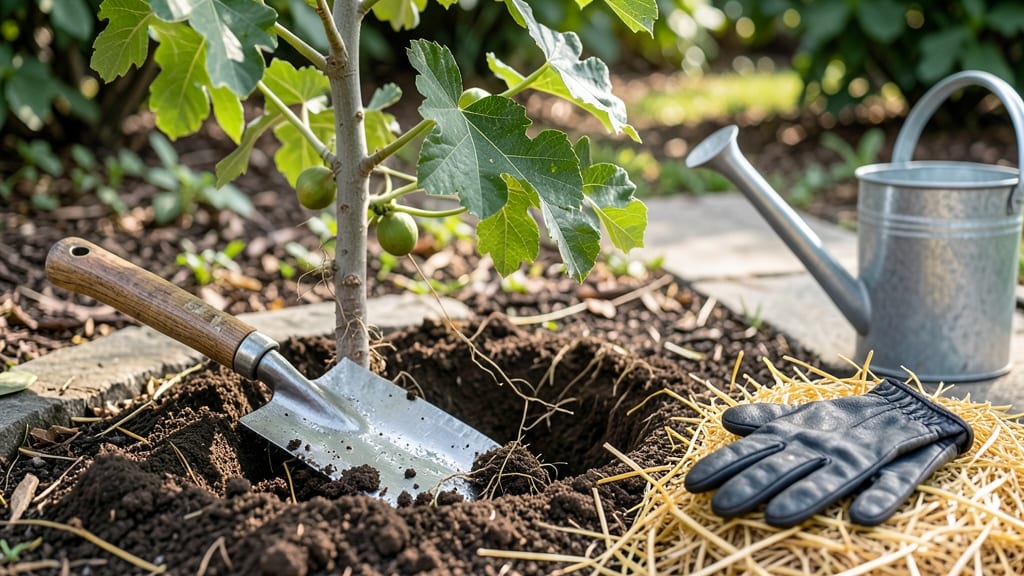
Planting a fig tree in ground after the last frost ensures it thrives in your climate 🍈 — and timing is everything for fruit production.
You’ve probably heard that figs love heat, but planting too early in cooler zones like 6a can stunt growth or even kill the tree before it bears fruit. The difference between a shriveled sapling and a fruit-laden giant often comes down to a few weeks of waiting.
In this guide, I’ll break down the exact frost-free windows for your USDA zone, how to adjust for Mediterranean vs. temperate climates, and when to transplant container-grown figs for maximum success.
You’ll also learn how to prep soil, spot the signs of a ready-to-plant tree, and avoid three common mistakes that derail even the most eager gardeners.
Best planting months by USDA hardiness Zones: frost-free zone map guide
Fig trees thrive in warm climates but can adapt to cooler zones with the right timing and cold-hardy varieties. Understanding your USDA hardiness zone is crucial—it dictates when to plant to avoid frost damage and ensure root establishment.
For most regions, spring planting after the last frost is ideal, but late fall works for cold-hardy types like 'Celeste' or 'Chicago Hardy'.
In Zones 7-9, where frosts are rare but possible, aim for March to May planting. Zones 10-11, with mild winters, allow year-round planting, though spring or fall are still best. Soil temperature matters more than air temperature—wait until it reaches at least 60°F for optimal growth.
Cold-hardy fig varieties like 'Celeste' can survive brief frosts down to 15°F, while standard types like 'Brown Turkey' need Zone 8+ protection. Always check your last frost date and adjust planting by 2-4 weeks afterward to give roots time to establish before summer heat arrives.
Here’s a quick reference for planting windows by zone:
For Zone 7, where frosts linger, plant after April 15 to avoid root damage. Use mulch heavily to insulate roots if late frosts occur. In Zones 8-9, early spring planting (February–March) gives trees a head start before summer heat arrives.
In Zones 10-11, you can plant year-round, but spring or fall are ideal to avoid extreme heat or cold. Container-grown figs can be planted anytime, but spring ensures roots establish before summer droughts. Always water deeply after planting to reduce transplant shock.
Late fall planting is risky in Zones 7-9 unless using cold-hardy varieties. If attempting, plant 6-8 weeks before first frost and protect with burlap wraps. In Zones 10-11, fall planting works well—just avoid heavy rains that can rot roots.
Pro tip: Use a soil thermometer to confirm warmth before planting. Fig roots struggle in cold soil, even if air temps are mild. Pair this with well-draining soil and full sun for best results.
Microclimates matter! A south-facing wall can extend your growing season by 2-4 weeks in cooler zones. If your area has unpredictable frosts, opt for container growing to move trees indoors during winter.
Variety-specific planting times: when to plant common fig types
Not all fig trees thrive under the same conditions, and planting times vary dramatically between heat-sensitive varieties like 'Mission' and cold-tolerant types like 'Chicago Hardy'. Matching your variety to your local climate ensures your tree establishes strong roots before summer heat or winter frost strikes.
For Mediterranean climates (Zones 8-11), most figs—including 'Brown Turkey' and 'Desert King'—can go into the ground as early as late February, but wait until soil warms to 60°F+ for best results.
In cooler regions (Zones 6-7), even cold-hardy varieties like 'Celeste' need to wait until after last frost, typically April or May.
Here’s a quick comparison of planting windows for popular fig varieties, including microclimate adjustments:
| Variety | Cold Hardiness | Best Planting Months | Soil Temp Requirement | Microclimate Tip |
|---|---|---|---|---|
| Brown Turkey | Zones 7-11 | March–April (Zones 7-8) / February (Zones 9-11) | 60°F+ | Avoid late spring planting—heat stress kills young roots. |
| Mission | Zones 8-11 | February–March | 65°F+ | Heat-sensitive—plant in partial shade if summer temps exceed 95°F. |
| Desert King | Zones 7-11 | March–April | 60°F+ | Drought-tolerant—plant in full sun with well-draining soil. |
| Chicago Hardy | Zones 4-8 | April–May (after frost) | 55°F+ | Cold-hardy but needs sheltered location in Zone 4. |
| Celeste | Zones 5-9 | April–May | 58°F+ | Plant near south-facing walls to extend growing season. |
If you’re in a transition zone (e.g., Zone 7b), err on the side of caution and plant 4–6 weeks after your average last frost date. Use a soil thermometer to confirm warmth—fig roots won’t thrive in cold soil, even if air temps are mild.
For container-grown figs, adjust timing by 2–4 weeks earlier than bare-root trees, since their roots are less stressed. Amend the planting hole with compost to improve drainage, especially for heat-sensitive varieties like 'Mission' that need consistent moisture.
Remember: Late summer planting is a gamble for most figs, as roots won’t establish before winter. Only cold-hardy varieties (like 'Chicago Hardy') can handle late-season planting in Zones 6–7, and even then, mulch heavily to protect roots from freezing.